Peppermint tea before bed can be a refreshing and caffeine-free addition to your evening routine. Known for its cooling minty flavor, peppermint tea is often enjoyed after meals and may help you feel more comfortable as you wind down for the night. In this guide, we’ll explore the potential benefits of drinking peppermint tea before bed, when it may not be the best choice, how to prepare the perfect cup, and simple tips for adding it to your nighttime routine.
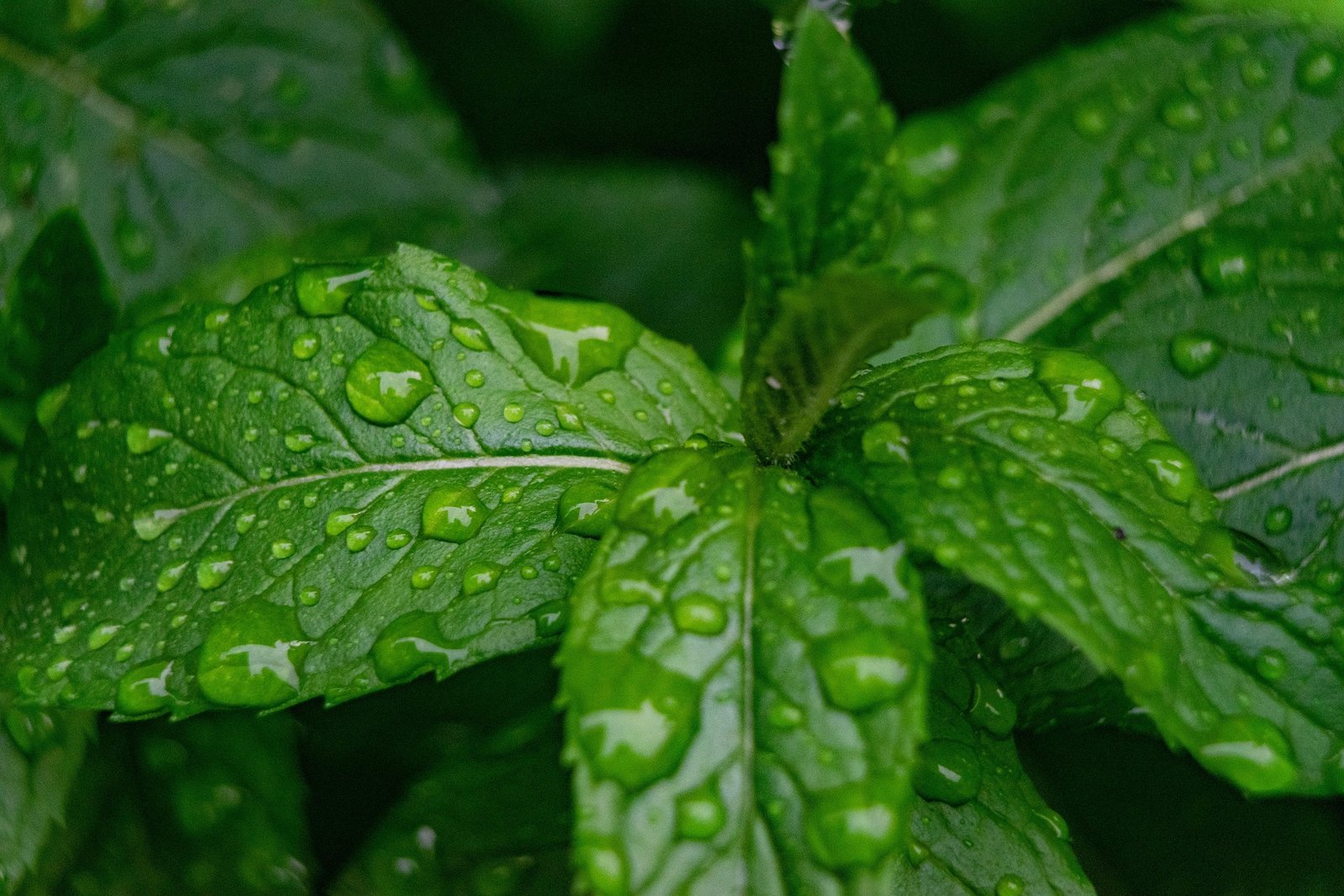
Benefits of Drinking Peppermint Tea Before Bed
Peppermint tea before bed can be an enjoyable choice for people who prefer a refreshing, caffeine-free herbal drink in the evening. Its naturally minty flavor can make it a pleasant alternative to coffee, black tea, or other caffeinated beverages later in the day. Peppermint has traditionally been associated with digestive comfort, although research specifically on peppermint leaf and peppermint tea is still limited. For this reason, it is best to think of peppermint tea as a soothing evening beverage rather than a proven treatment for sleep or digestive problems.
1. Naturally Caffeine-Free
Peppermint tea is naturally caffeine-free, which makes it a convenient drink to enjoy before bed. Unlike coffee, black tea, or green tea, pure peppermint tea does not contain caffeine that may keep you feeling alert later in the evening. Its fresh minty flavor also provides a simple alternative when you want a warm drink without adding caffeine to your nighttime routine.
2. May Support Digestive Comfort
Peppermint has a long history of traditional use for digestive concerns, which is one reason peppermint tea is often enjoyed after meals. Research has found some digestive benefits for certain forms of peppermint oil, particularly for symptoms associated with irritable bowel syndrome, but much less research has been conducted specifically on peppermint leaves or peppermint tea. Therefore, drinking peppermint tea before bed may feel soothing after an evening meal, but it should not be considered a treatment for digestive problems.
3. Can Be a Refreshing Alternative to Evening Drinks
Peppermint tea can be a refreshing alternative to sugary drinks, coffee, or caffeinated tea in the evening. Pure peppermint tea is naturally caffeine-free and has a strong minty flavor without the need for added sugar. This makes it an easy option when you want something warm and flavorful before bed while keeping your nighttime drink simple.
4. May Help You Wind Down in the Evening
A warm cup of peppermint tea can be a pleasant part of a relaxing nighttime routine. While there is not strong scientific evidence that peppermint tea directly improves sleep, its caffeine-free nature makes it suitable for many people in the evening. Preparing your tea, putting away bright screens, and enjoying it slowly while reading or relaxing can help create a simple transition from a busy day to bedtime.
5. A Simple Addition to Your Nighttime Routine
Drinking peppermint tea before bed can become a simple ritual that helps you transition from a busy day to a quieter evening. Preparing a warm cup, dimming the lights, and taking a few minutes away from phones or other screens can create a more relaxing atmosphere before bedtime. Peppermint tea itself has not been proven to improve sleep, so it is best enjoyed as part of a comfortable nighttime routine rather than as a sleep remedy.
Can Peppermint Tea Cause Heartburn Before Bed?
Peppermint may not be the best nighttime choice for everyone, especially for people who experience heartburn or acid reflux. Research on peppermint oil shows that reflux and indigestion can occur as side effects, while research specifically on peppermint leaves and tea remains limited. If peppermint tea seems to trigger heartburn or discomfort when you drink it before bed, consider avoiding it in the evening and choosing another caffeine-free herbal tea instead.
How to Make Peppermint Tea Before Bed
Making peppermint tea before bed is quick and simple. For one cup, you will need about 1 cup (240 ml) of hot water and either one peppermint tea bag, 1 to 2 teaspoons of dried peppermint leaves, or a small handful of fresh peppermint leaves. Steep the peppermint in hot water for about 5 to 10 minutes, depending on how strong you prefer the flavor. Remove the tea bag or strain the leaves, allow the tea to cool slightly, and enjoy it warm as part of your evening routine.
Step 1: Heat the Water
Start by heating about 1 cup (240 ml) of fresh water for each serving of peppermint tea. Bring the water to a boil, then remove it from the heat before pouring it over the peppermint leaves or tea bag. Using freshly heated water helps release the characteristic minty aroma and flavor of the peppermint.
Step 2: Add the Peppermint
Place one peppermint tea bag or about 1 to 2 teaspoons of dried peppermint leaves in your mug. If you are using fresh peppermint, rinse a small handful of leaves thoroughly and gently crush or tear them before adding them to the cup. This helps release more of their fresh minty aroma and flavor. Pour the hot water over the peppermint, making sure the leaves or tea bag are fully covered.
Step 3: Let the Tea Steep
Cover the mug and let the peppermint tea steep for about 5 to 10 minutes. Five minutes will produce a lighter, refreshing flavor, while a longer steep will create a stronger mint taste. Keeping the mug covered while steeping also helps retain the aromatic compounds that give peppermint tea its characteristic scent and flavor
Step 4: Remove the Peppermint Leaves
After steeping for 5 to 10 minutes, remove the tea bag or tea infuser from your mug. If you used loose fresh or dried peppermint leaves, pour the tea through a fine-mesh strainer into a clean cup. Let the tea cool for a minute or two before drinking so it is comfortably warm.
Step 5: Add Optional Flavor
Peppermint tea has a naturally strong and refreshing flavor, so it can be enjoyed on its own. If you prefer a little sweetness, stir in a small amount of honey after the tea has cooled slightly. You can also add a thin slice of fresh lemon for a brighter flavor. Keep any additions simple so the natural minty taste remains the main focus.
Step 6: Enjoy Your Peppermint Tea Before Bed
Once your peppermint tea has cooled to a comfortable temperature, sip it slowly and enjoy its fresh minty flavor. Try drinking it about 30 to 60 minutes before bedtime so it becomes part of your evening wind-down routine. Avoid drinking a very large amount immediately before bed if nighttime bathroom trips tend to disturb your sleep. If peppermint seems to trigger heartburn or acid reflux for you, choose a different caffeine-free herbal tea in the evening instead. Research specifically on peppermint leaf is limited, and peppermint should not be treated as a sleep remedy.
Best Time to Drink Peppermint Tea Before Bed
A practical time to drink peppermint tea is around 30 to 60 minutes before you plan to go to sleep. This gives you enough time to enjoy the tea without rushing and allows it to become part of a consistent nighttime routine. Keep your serving moderate and pay attention to how your body responds, particularly if you are prone to heartburn or reflux. Peppermint oil can cause reflux or heartburn in some people, although much less research has been conducted specifically on peppermint tea.
How Much Peppermint Tea Should You Drink Before Bed?
For most people, one cup of peppermint tea before bed is a simple place to start. A standard serving is about 8 ounces (240 ml), prepared with one tea bag or 1 to 2 teaspoons of dried peppermint leaves. Drinking more is not necessarily better, especially close to bedtime, since extra fluids may lead to nighttime bathroom trips. Peppermint tea appears to be safe in typical amounts, but the long-term safety of consuming large amounts of peppermint leaf has not been well studied.
Can You Drink Peppermint Tea Every Night?
Peppermint tea can be enjoyed regularly by many people, and pure peppermint tea is naturally caffeine-free. However, pay attention to how your body responds. Peppermint leaf preparations may worsen heartburn or gastroesophageal reflux in some people, so an evening cup may not be suitable if you are prone to these symptoms. If you take medication, are pregnant or breastfeeding, or plan to consume peppermint in larger medicinal amounts, speak with a healthcare professional for individual guidance.
Possible Side Effects and Precautions
Peppermint tea appears to be safe for most people when consumed in typical amounts, but it may not be suitable for everyone. Peppermint leaf preparations can worsen heartburn or acid reflux in some people, so those with gastroesophageal reflux disease (GERD) should be especially cautious. The long-term safety of consuming large amounts of peppermint leaf has not been well established. If you take medication, have a medical condition, or are pregnant or breastfeeding, talk with a healthcare professional before using peppermint regularly for medicinal purposes
Peppermint Tea With Honey Before Bed
Adding a little honey can soften the strong minty flavor of peppermint tea and give it a touch of sweetness. Prepare your peppermint tea as usual and allow it to cool slightly before stirring in about 1 teaspoon of honey. Start with a small amount and add more only if needed. This keeps the refreshing peppermint flavor at the center of your bedtime drink.
Peppermint Tea With Lemon Before Bed
Adding lemon can give peppermint tea a fresh citrus flavor that pairs well with its naturally cooling, minty taste. Prepare your peppermint tea as usual, remove the tea bag or strain the leaves, and allow it to cool slightly. Then add a small squeeze of fresh lemon juice or a thin lemon slice. Start with a small amount so the citrus flavor does not overpower the peppermint. If citrus tends to trigger heartburn or reflux for you, it may be better to enjoy your peppermint tea plain.
Peppermint Tea With Ginger Before Bed
Peppermint and ginger create a flavorful herbal combination with both cooling and warming notes. Prepare your peppermint tea as usual, then add one or two thin slices of fresh ginger while the tea is steeping. After about 5 to 10 minutes, remove the peppermint and ginger before drinking. Keep the ginger amount small at first and adjust it according to your taste. Peppermint tea itself appears safe in typical amounts, although research specifically on peppermint leaf remains limited.
Does Peppermint Tea Help You Sleep?
Peppermint tea is naturally caffeine-free, but there is currently limited evidence that peppermint tea directly improves sleep. For many people, its main advantage at night is simply that it provides a warm, caffeine-free alternative to coffee or traditional tea. Peppermint should therefore be considered part of a relaxing bedtime routine rather than a natural sleeping aid. Interestingly, research on peppermint has also explored alertness and cognition, which is another reason not to make strong sleep-promoting claims.
Does Peppermint Tea Make You Sleepy?
Peppermint tea does not typically act as a sedative or make you sleepy in the way that some herbs traditionally associated with sleep may. Instead, drinking a warm cup in the evening can provide a simple ritual for slowing down before bedtime. If your main goal is specifically to choose an herbal tea traditionally used to support sleep, options such as lemon balm or certain valerian-containing herbal preparations have stronger traditional-use support for that purpose.
How Long Before Bed Should You Drink Peppermint Tea?
There is no scientifically established exact time for drinking peppermint tea before sleep. As a practical part of an evening routine, you can enjoy one cup about 30 to 60 minutes before bedtime. This gives you time to drink it slowly while also avoiding a large amount of liquid immediately before going to sleep. If peppermint causes heartburn, reflux, or digestive discomfort for you, drinking it close to bedtime may not be a good choice. Research specifically on peppermint leaf and peppermint tea remains limited.
Is Peppermint Tea Better Than Green Tea Before Bed?
Peppermint tea may be the more suitable evening choice if your goal is to avoid caffeine. Pure peppermint tea is an herbal infusion, while green tea is made from Camellia sinensis and naturally contains caffeine. Because caffeine close to bedtime can interfere with healthy sleep habits for some people, a caffeine-free herbal drink may fit better into an evening routine. However, peppermint tea itself should not be considered a proven sleep aid.
Frequently Asked Questions About Peppermint Tea Before Bed
Peppermint tea before bed raises a few common questions, especially about caffeine, sleep, digestion, and how often it can be enjoyed. Pure peppermint tea is naturally caffeine-free, but research specifically on peppermint leaves and peppermint tea is limited. The answers below cover the most common practical questions while keeping in mind that peppermint tea should be enjoyed as an herbal beverage rather than considered a treatment for sleep or digestive conditions.
Does Peppermint Tea Contain Caffeine?
Pure peppermint tea is naturally caffeine-free because it is made from peppermint leaves rather than the Camellia sinensis plant used to produce green, black, white, and oolong teas. This makes peppermint tea a convenient option for people who want to avoid caffeine in the evening. If you buy a peppermint tea blend, however, check the ingredient list because it may contain traditional tea leaves or other caffeine-containing ingredients.
Can Peppermint Tea Help With Digestion at Night?
Peppermint has traditionally been used for digestive complaints, which is one reason many people enjoy peppermint tea after an evening meal. However, most clinical research has focused on concentrated peppermint oil rather than peppermint tea, and there is not enough evidence to conclude that peppermint leaf treats digestive conditions. If you find a warm cup comfortable after dinner, it can still be an enjoyable part of your evening routine.
Who Should Avoid Peppermint Tea Before Bed?
Peppermint tea may not be the best choice for people who notice that peppermint worsens heartburn or acid reflux. Peppermint leaf preparations have been associated with worsening gastroesophageal reflux and heartburn, so pay attention to how your body responds. Peppermint tea itself appears safe in typical amounts, but the long-term safety of consuming large amounts of peppermint leaf is not well established. If you take medication or have concerns about using peppermint regularly, discuss it with a healthcare professional.
Is Peppermint Tea Safe During Pregnancy?
Peppermint in amounts commonly found in foods is generally considered likely safe during pregnancy, but much less is known about using larger or medicinal amounts of peppermint while pregnant. Peppermint tea made from the leaves appears to be safe in typical amounts, although research on long-term or high intake is limited. If you are pregnant and plan to drink peppermint tea regularly or in larger amounts, it is best to discuss it with your healthcare professional.
Can You Drink Peppermint Tea on an Empty Stomach?
Many people can enjoy peppermint tea with or without food, but individual responses vary. If drinking peppermint tea on an empty stomach causes heartburn, reflux, nausea, or other discomfort, try having it after a meal or choose another herbal tea instead. Research specifically on peppermint leaf is limited, while concentrated peppermint oil has been associated with side effects such as heartburn, nausea, and abdominal discomfort.
Can Peppermint Tea Help With Bloating Before Bed?
Peppermint is commonly associated with digestive comfort, and research on enteric-coated peppermint oil suggests that it may provide modest short-term relief from symptoms such as bloating, gas, and abdominal pain in people with irritable bowel syndrome. However, these findings are based mainly on peppermint oil rather than peppermint tea, and very little research has been conducted specifically on peppermint leaf. Therefore, peppermint tea before bed may be an enjoyable drink after an evening meal, but it should not be considered a treatment for bloating or other digestive conditions.
Is Peppermint Tea Good After Dinner?
Peppermint tea can be a refreshing caffeine-free drink to enjoy after dinner, particularly if you prefer a warm herbal beverage in the evening. Try one cup after your meal and pay attention to how your body responds. If peppermint seems to cause or worsen heartburn or acid reflux, it may be better to choose another herbal tea instead. Research specifically on peppermint tea is limited, so its benefits should not be confused with the better-studied effects of concentrated peppermint oil.
Can Peppermint Tea Help You Relax Before Bed?
Peppermint tea can be a pleasant part of a quiet evening routine, especially if you enjoy its fresh minty aroma and warm temperature. However, there is not enough research to say that peppermint leaf or peppermint tea directly produces a relaxing or sedative effect. Its main advantage at bedtime is that pure peppermint tea is caffeine-free, allowing you to enjoy a warm drink without adding caffeine late in the day.
Peppermint Tea vs. Chamomile Tea Before Bed
Both peppermint and chamomile tea are caffeine-free herbal drinks, but they may suit different nighttime routines. Peppermint tea has a fresh, cooling flavor and is commonly associated with digestive comfort, while chamomile is more traditionally associated with relaxation and sleep. If peppermint tends to trigger heartburn or reflux for you, chamomile may be the more comfortable bedtime option. Ultimately, the better choice depends on your taste, your evening routine, and how your body responds.
Final Thoughts on Peppermint Tea Before Bed
Peppermint tea before bed can be a refreshing, naturally caffeine-free addition to your evening routine. Its fresh minty flavor makes it a pleasant alternative to caffeinated or sugary drinks, and peppermint leaf has a long history of traditional use for digestive comfort. However, research specifically on peppermint tea is still limited, so it should not be considered a proven sleep aid or treatment for digestive problems.
If peppermint worsens heartburn or acid reflux for you, another caffeine-free herbal tea may be a better bedtime choice.
For a simple nighttime routine, prepare one warm cup and enjoy it slowly before bed. Whether you prefer peppermint tea plain or with a little honey, lemon, or ginger, the most important thing is choosing an evening routine that feels comfortable and works well for you.
One Response