What Is Tea?
This Tea Guide explores one of the world's oldest and most popular beverages: tea, enjoyed for thousands of years across many cultures. True tea comes from the leaves of the Camellia sinensis plant. True tea comes from the leaves of the Camellia sinensis plant. Depending on how the leaves are processed, they become green, black, white, oolong, yellow, or pu-erh tea. Besides true tea, many people also enjoy herbal infusions made from flowers, herbs, fruits, and spices. Tea is appreciated not only for its rich flavors but also for the relaxing rituals and traditions that surround it.
The Six Main Types of Tea
All true teas come from the same plant, Camellia sinensis. The difference between them is not the plant itself, but the way the leaves are harvested and processed. Each tea has its own flavor, aroma, color, and unique characteristics, making every cup a different experience.
Green Tea
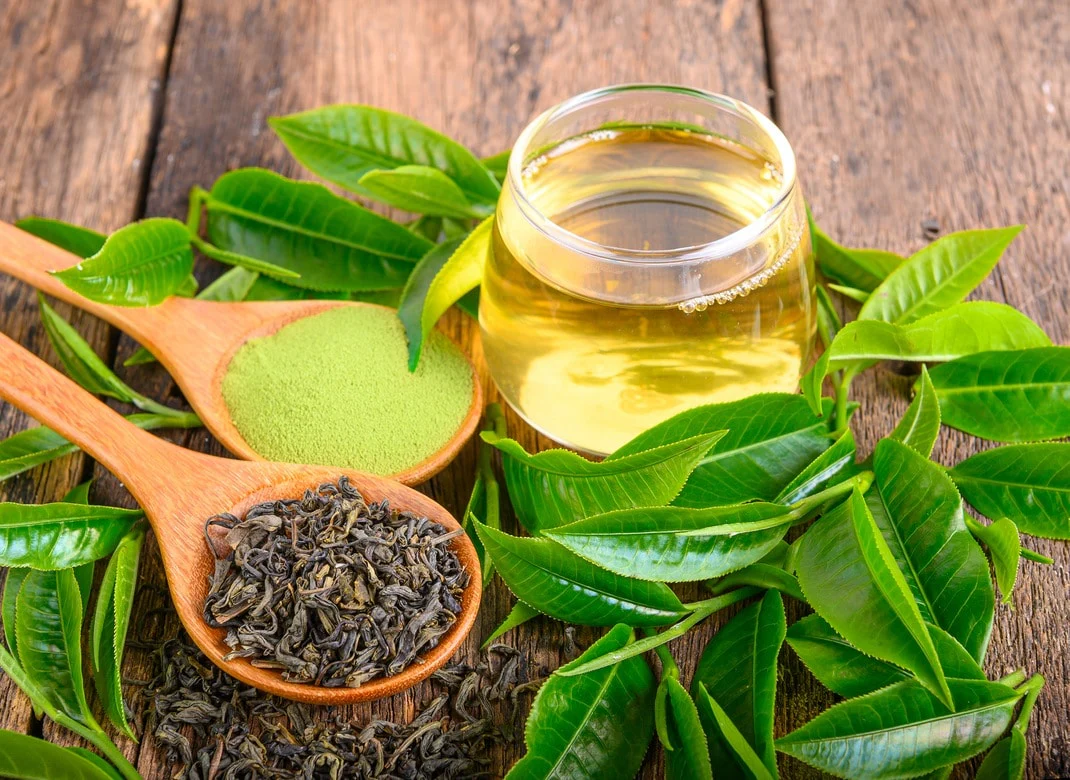
Green tea is one of the least oxidized types of true tea and is made from the leaves of the Camellia sinensis plant. After harvesting, the leaves are typically heated relatively quickly to limit oxidation, using methods such as steaming or pan-firing. Green tea can range in flavor from grassy and vegetal to sweet, nutty, or umami-rich, depending on its origin and processing. Popular varieties include Japanese Sencha, Matcha, Gyokuro, and Chinese Longjing (Dragon Well). Green tea naturally contains caffeine and plant compounds including catechins, which have been widely studied. However, research on individual compounds, extracts, or concentrated preparations should not automatically be interpreted as evidence that an ordinary cup of green tea prevents or treats disease. Brewing Tip: Preparation varies by tea, but many green teas are brewed with water below boiling to help avoid excessive bitterness.
Green Tea: Compounds & What Research Says
Green tea contains naturally occurring plant compounds called catechins, including EGCG, as well as caffeine and the amino acid L-theanine. These compounds have been widely investigated in scientific research. However, findings from studies using extracts, supplements, individual compounds, or specific amounts should not automatically be applied to an ordinary cup of green tea. Green tea can be enjoyed as part of a varied diet, but it should not be presented as a treatment for medical conditions.
Black Tea
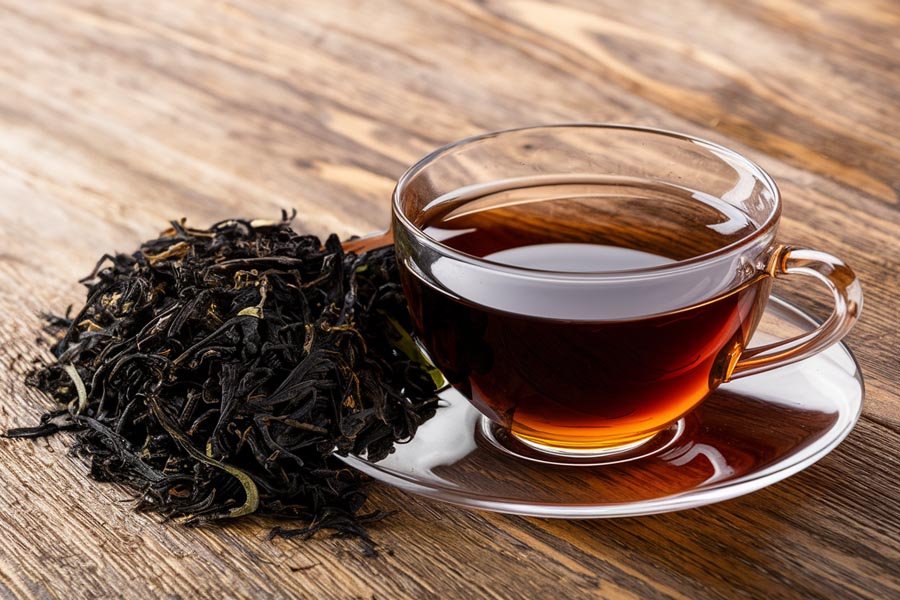
Black tea is a fully oxidized type of true tea made from the Camellia sinensis plant, giving it a dark color and typically bold, full-bodied flavor. Its taste can range from malty and sweet to fruity or smoky depending on origin and processing. Popular varieties and styles include Assam, Darjeeling, Ceylon, and Earl Grey. Black tea naturally contains caffeine as well as plant compounds including theaflavins and thearubigins, which contribute to its characteristic color and flavor and have also been studied scientifically. Brewing Tip: Preparation varies by tea, but black tea is commonly brewed with hot water for several minutes according to the product instructions.
Black Tea: Compounds & What Research Says
Black tea contains naturally occurring polyphenols, including compounds known as theaflavins and thearubigins that form during oxidation. These compounds, together with caffeine and other constituents of black tea, have been investigated scientifically. However, research involving extracts, isolated compounds, supplements, or specific amounts should not automatically be interpreted as evidence that an ordinary cup of black tea prevents or treats disease. Black tea can simply be enjoyed as part of a varied diet and tea routine.
White Tea
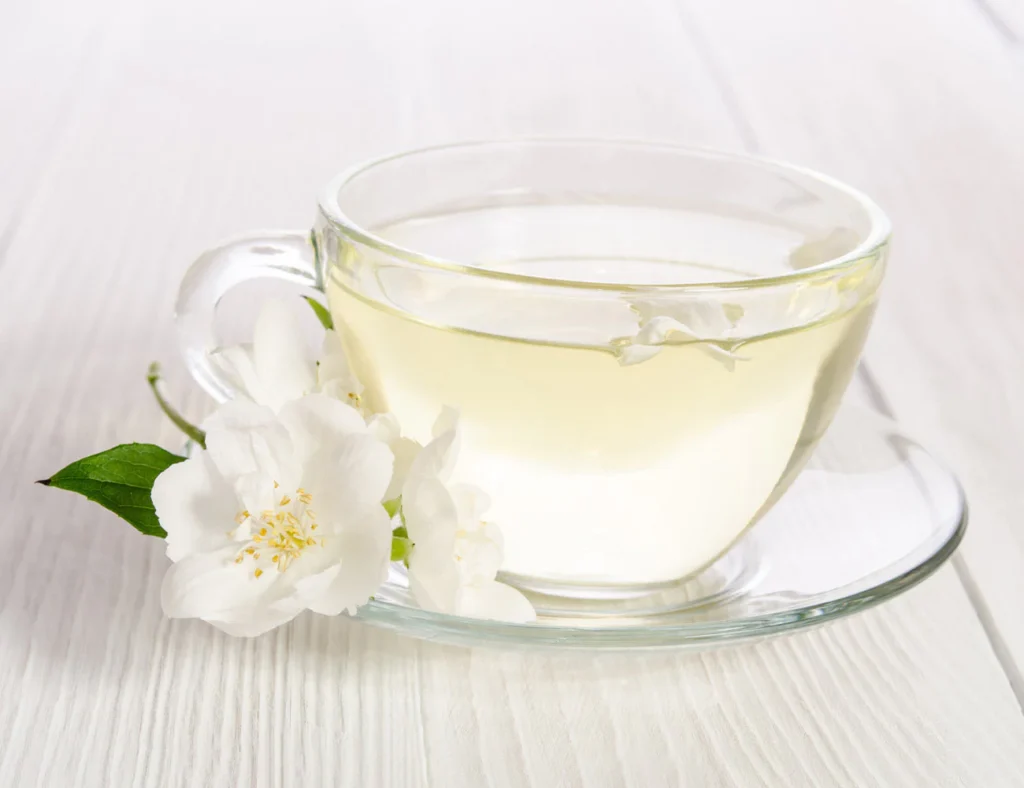
White tea is a lightly processed type of true tea made from young buds and leaves of the Camellia sinensis plant. It typically has a delicate, smooth flavor with floral, fruity, or subtly sweet notes. Popular varieties include Silver Needle (Bai Hao Yin Zhen) and White Peony (Bai Mudan). White tea naturally contains caffeine as well as plant compounds such as polyphenols, and their amounts can vary depending on the tea and preparation method. Brewing Tip: Preparation varies by tea, but white tea is commonly brewed with water below boiling to preserve its delicate flavor.
White Tea: Compounds & What Research Says
White tea contains naturally occurring polyphenols and other plant compounds that have been investigated scientifically. However, evidence from laboratory studies, extracts, individual compounds, or concentrated preparations should not automatically be interpreted as proof of specific health benefits from drinking ordinary white tea. It is best enjoyed as a traditional tea beverage rather than presented as a treatment for medical conditions.
Oolong Tea
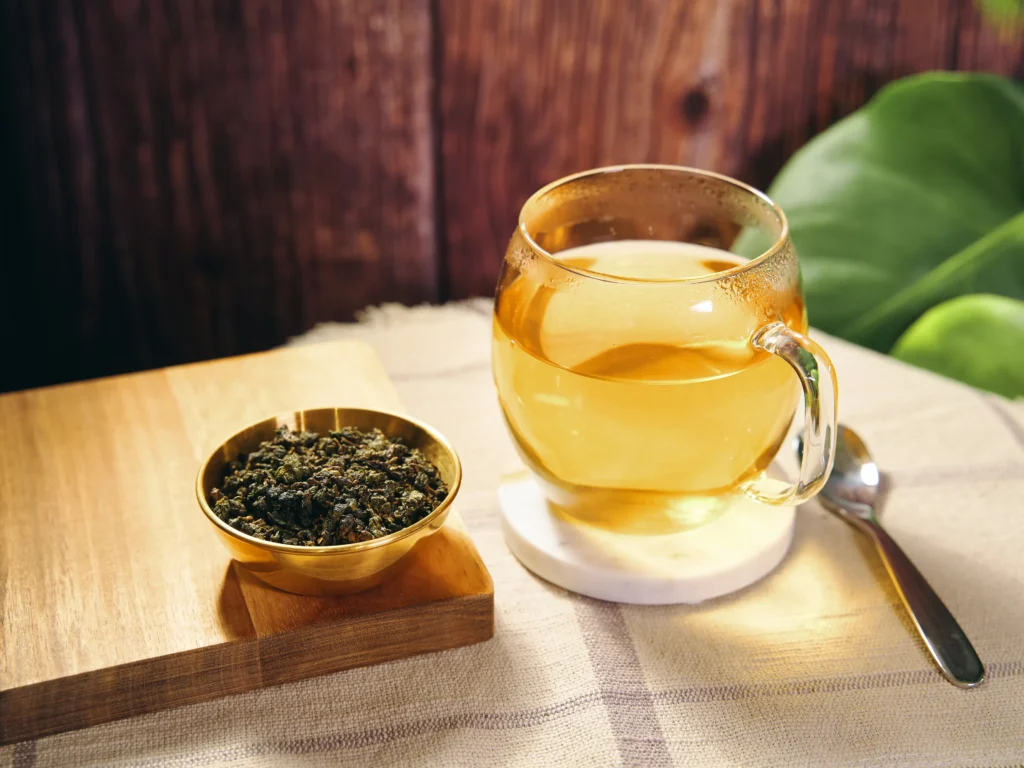
Oolong tea is a traditional Chinese tea made from the Camellia sinensis plant and is partially oxidized, placing it between green tea and black tea in both flavor and appearance. The degree of oxidation can vary widely, creating a broad range of aromas and flavors. Depending on the variety, oolong tea may offer floral, creamy, fruity, or roasted notes. Well-known examples include Tie Guan Yin and Da Hong Pao. Oolong tea naturally contains caffeine as well as plant compounds such as polyphenols. Brewing Tip: Preparation varies by the type of oolong, so follow the instructions for your tea product for the best temperature and steeping time.
Oolong Tea: Compounds & What Research Says
Oolong tea contains naturally occurring polyphenols, caffeine, and other plant compounds that have been investigated scientifically. Research has examined oolong tea and its components in relation to various aspects of health and nutrition. However, findings from individual studies, extracts, isolated compounds, or concentrated preparations should not automatically be interpreted as evidence that drinking ordinary oolong tea provides specific health benefits or treats medical conditions. Oolong tea can simply be enjoyed as part of a varied diet and tea routine.
Yellow Tea
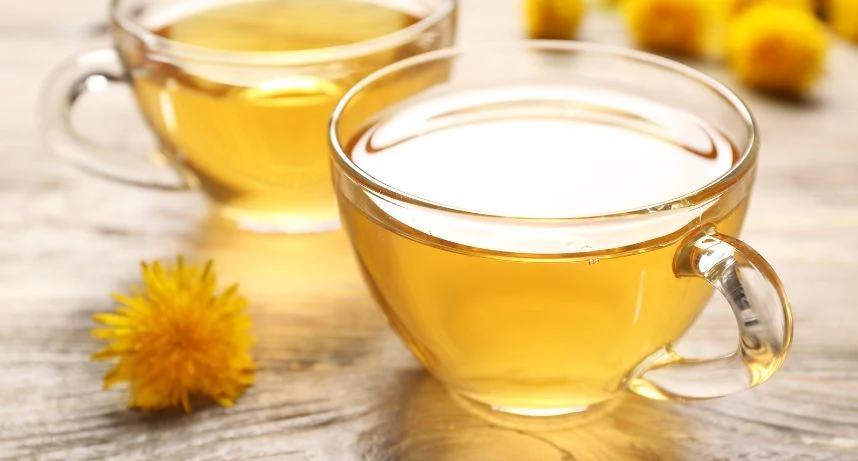
Yellow tea is one of the rarest and most exclusive types of true tea. It is produced using a unique process called "sealed yellowing," in which the leaves are gently wrapped after heating. This slow oxidation gives yellow tea its smooth flavor and distinctive character.Compared to green tea, yellow tea has a softer, sweeter taste with less grassy notes and almost no bitterness. Famous varieties include Junshan Yinzhen and Meng Ding Huang Ya.
Due to its limited production and traditional manufacturing methods, yellow tea is highly valued by tea lovers around the world. It provides a delicate balance of freshness, sweetness, and subtle complexity.
Brewing Tip: Preparation can vary by variety, so follow the instructions for your tea product for the best water temperature and steeping time.
Yellow Tea: Compounds & What Research Says
Yellow tea contains naturally occurring polyphenols, caffeine, and other plant compounds that have been investigated scientifically. Because yellow tea is less widely produced and studied than varieties such as green or black tea, research specifically involving yellow tea is comparatively limited. Findings from studies of tea compounds, extracts, or other types of tea should not automatically be interpreted as evidence of specific health benefits from drinking ordinary yellow tea. It can simply be enjoyed for its distinctive flavor and as part of a varied tea routine.
Pu-erh Tea
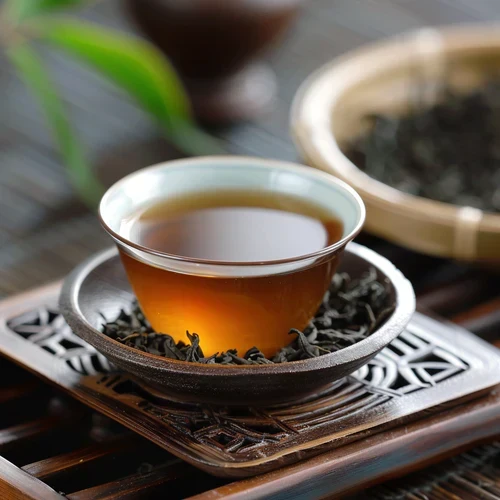
Pu-erh tea is a distinctive tea traditionally produced in Yunnan Province, China. It is made from the Camellia sinensis plant and undergoes microbial fermentation and aging processes that distinguish it from many other types of tea. Two major styles are Raw (Sheng) Pu-erh, which can change gradually during storage, and Ripe (Shou) Pu-erh, which undergoes an accelerated fermentation process. Pu-erh teas are known for flavors that can range from earthy and woody to sweet, fruity, or complex depending on the type, age, and storage conditions. Brewing Tip: Preparation varies considerably by Pu-erh style and personal preference, so follow the instructions for your tea product and adjust steeping time to taste.
Pu-erh Tea: Compounds & What Research Says
Pu-erh tea contains naturally occurring polyphenols, caffeine, and other compounds that have been investigated scientifically. Research has examined Pu-erh tea and related preparations in areas such as digestion, metabolism, and blood lipids, but findings vary and should be interpreted cautiously. Studies involving extracts, concentrated preparations, animals, or laboratory models should not automatically be interpreted as evidence of specific health benefits from drinking ordinary Pu-erh tea. It can be enjoyed for its distinctive earthy flavor, traditional production methods, and unique aging characteristics.
Explore More Herbal Tea Guides
Discover more about herbal teas and find simple ways to enjoy them as part of your daily tea routine.
Want to learn more about herbal tea in general? Discover the most important herbal tea benefits and simple ways to include herbal infusions in your everyday wellness routine.