Green tea vs. herbal tea may seem like a simple comparison, but these two popular drinks are surprisingly different. Green tea is made from the leaves of the Camellia sinensis plant and naturally contains caffeine, while herbal teas are infusions made from herbs, flowers, roots, spices, fruits, or other plants. From their flavor and caffeine content to their plant compounds and best times to drink them, each has its own characteristics. In this guide, we’ll compare green tea and herbal tea, explore their key differences, and help you decide which one may fit your daily tea routine best.
What Is Green Tea?
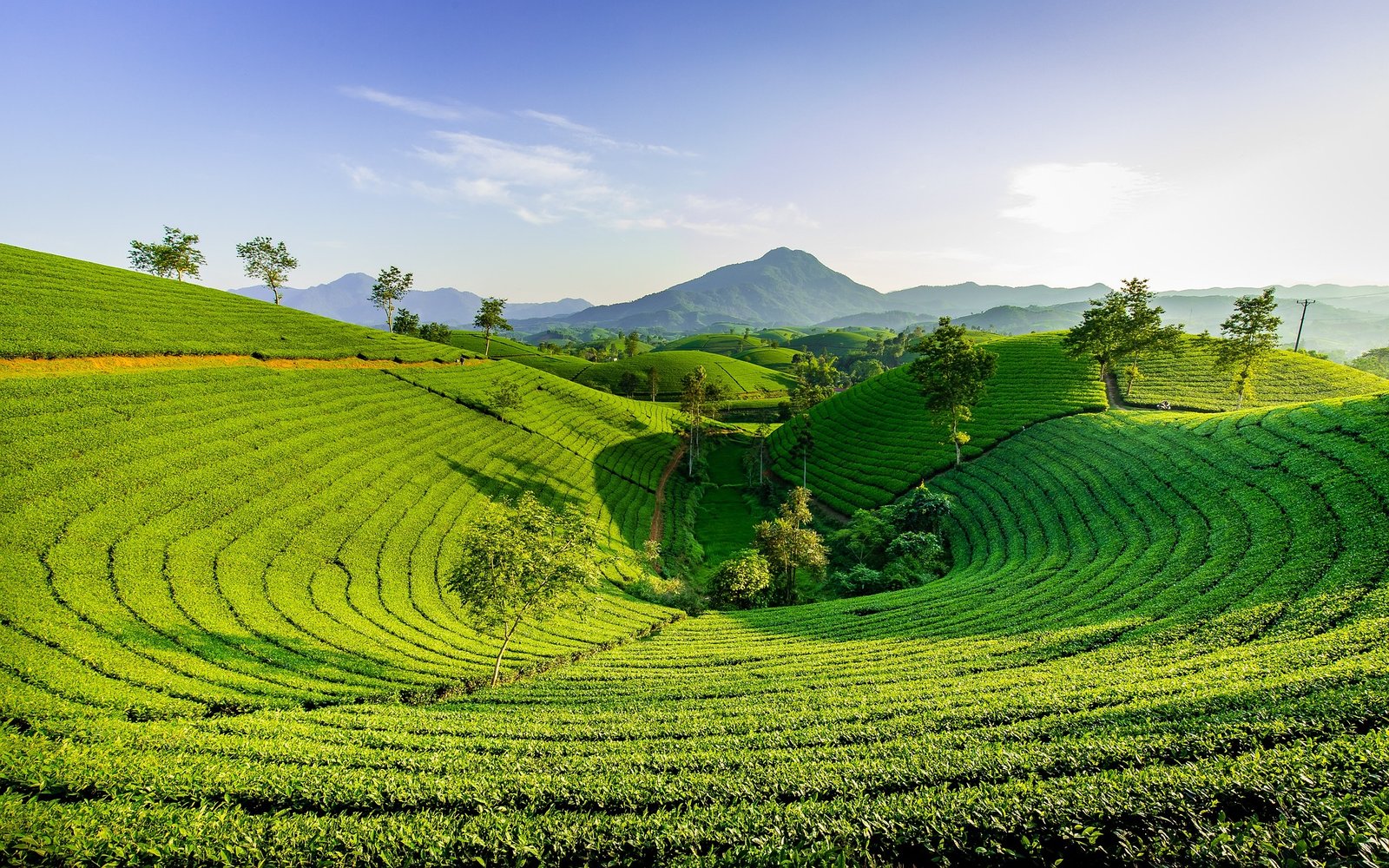
Green tea is a true tea made from the leaves of the Camellia sinensis plant, the same plant used to produce black, white, and oolong tea. What makes green tea different is the way the leaves are processed: they are typically steamed or pan-fired and dried soon after harvesting, which limits oxidation and helps preserve their characteristic fresh, grassy flavor. Green tea naturally contains caffeine as well as plant compounds called polyphenols, including catechins.
What Is Herbal Tea?
Herbal tea is different because it is not made from the Camellia sinensis tea plant. Instead, herbal teas are infusions prepared from other plants and may contain ingredients such as herbs, flowers, roots, fruits, or spices. Familiar examples include chamomile, peppermint, lavender, ginger, and hibiscus. Because herbal teas can be made from many different plants, their flavors and properties vary considerably from one blend to another.
Green Tea vs. Herbal Tea: Key Differences
The biggest difference between green tea and herbal tea is where they come from. Green tea is produced from the Camellia sinensis plant and naturally contains caffeine, catechins, and other tea compounds. Herbal teas are made from plants other than Camellia sinensis, so their ingredients and characteristics can vary widely depending on whether they contain herbs, flowers, roots, fruits, or spices. This means that “herbal tea” is not one specific type of tea but a broad category of plant-based infusions.
Green Tea vs. Herbal Tea: Caffeine Content
Caffeine is one of the most important differences when comparing green tea vs. herbal tea. Green tea naturally contains caffeine, although the exact amount can vary depending on the product and how it is prepared. Many pure herbal teas, such as chamomile, peppermint, and lavender, are naturally caffeine-free because they are not made from the traditional tea plant. However, always check the ingredients of herbal blends, since some products may be mixed with green tea, black tea, or other caffeine-containing ingredients.
Green Tea vs. Herbal Tea: Antioxidants and Plant Compounds
Green tea contains a well-studied group of plant compounds called polyphenols, particularly catechins. These compounds are one reason green tea has received considerable scientific attention. Herbal teas can also contain a variety of naturally occurring plant compounds, but their composition depends entirely on the ingredients used. Chamomile, peppermint, hibiscus, ginger, and other herbal infusions each contain different compounds, so it is not accurate to treat all herbal teas as having the same properties or potential benefits.
Green Tea vs. Herbal Tea: Flavor
Green tea typically has a fresh, grassy, vegetal, or slightly earthy flavor, although the taste varies depending on the variety and how it is prepared. Herbal tea offers a much wider range of flavors because it can be made from many different plants. Chamomile tends to be mild and floral, peppermint is fresh and cooling, lavender has a distinctive floral character, and ginger provides a warm and spicy taste. This variety makes herbal tea especially versatile for people who enjoy changing flavors throughout the day.
Green Tea vs. Herbal Tea: Which Is Better for Energy?
Green tea is generally the better choice when you want a gentle source of caffeine during the day. Because it is made from Camellia sinensis, green tea naturally contains caffeine, which can increase alertness and make it a popular morning or afternoon drink. Herbal teas are typically caffeine-free, although this depends on the ingredients in the blend. If you are sensitive to caffeine or prefer to avoid stimulants later in the day, a caffeine-free herbal tea may be the more suitable option.
Green Tea vs. Herbal Tea: Which Is Better Before Bed?
Herbal tea is usually the more practical choice before bed because many pure herbal infusions are naturally caffeine-free. Chamomile, lavender, and peppermint tea can all be enjoyed without the caffeine naturally present in green tea. Green tea is generally safe as a beverage for adults, but its caffeine content may make it less suitable close to bedtime for people who are sensitive to caffeine. Always check herbal tea blends, however, because some contain green or black tea and therefore are not caffeine-free.
Green Tea vs. Herbal Tea: Which Is Better for Weight Management?
Green tea is often promoted for weight loss because it contains caffeine and catechins, but the evidence does not support treating it as a reliable weight-loss solution. Some research suggests that green tea may have a small effect on body weight, while other reviews have found that the effect is not clinically meaningful. Herbal teas vary widely depending on the plant used, and there is not enough evidence to say that herbal tea as a category promotes weight loss. For either choice, unsweetened tea can be a useful low-calorie alternative to sugary beverages, but long-term weight management depends much more on overall diet, physical activity, and other lifestyle habits.
Green Tea vs. Herbal Tea: Which Is Better for Hydration?
Both green tea and caffeine-free herbal tea can contribute to your daily fluid intake. The main difference is that green tea naturally contains caffeine, while many pure herbal teas do not. For most people, moderate amounts of caffeinated tea can still be part of normal hydration, while caffeine-free herbal teas offer an easy option when you want additional fluids without caffeine. Choosing either tea without large amounts of added sugar keeps the drink simple and refreshing.
Green Tea vs. Herbal Tea: Which Is Better for Heart Health?
Green tea has been studied more extensively than herbal tea as a broad category for its potential effects on cardiovascular health. Limited evidence suggests that green and black tea may have small beneficial effects on certain heart-disease risk factors, including blood pressure and cholesterol, but the research is not strong enough to treat green tea as a therapy for heart disease. Herbal teas cannot be evaluated as one group because each plant is different; for example, hibiscus has been studied for its potential effects on blood pressure. The better choice therefore depends on the specific herbal tea and your individual health needs.
Green Tea vs. Herbal Tea: Which Is Better for Digestion?
Neither green tea nor herbal tea is universally better for digestion. Green tea has traditionally been promoted for digestive symptoms, but strong evidence for this use is lacking. Herbal teas vary considerably: peppermint and ginger, for example, have histories of use for digestive comfort, although research often examines specific extracts or preparations rather than ordinary cups of tea. The best choice depends on the particular herb and how your body responds, rather than simply choosing “herbal tea” as a category.
Green Tea vs. Herbal Tea: Safety and Side Effects
Green tea is generally considered safe for adults when consumed as a beverage, but it naturally contains caffeine, which may cause problems for people who are sensitive to stimulants. Green tea extracts are different from ordinary brewed tea and have been associated with side effects and, in uncommon cases, liver injury. Green tea and concentrated extracts may also interact with certain medications. Herbal teas vary widely in safety because each herb has its own properties and potential interactions, so it is important to check the specific ingredients rather than assuming that every herbal tea is automatically safe.
Green Tea vs. Herbal Tea During Pregnancy
Pregnancy is another situation where the specific type of tea matters. Green tea contains caffeine, so it contributes to total daily caffeine intake during pregnancy. Herbal teas cannot be treated as a single group because different herbs have different safety profiles, and some have not been studied well during pregnancy. If you are pregnant or breastfeeding, check the ingredients of herbal blends carefully and discuss regular use of specific herbs or supplements with your healthcare professional.
Green Tea vs. Herbal Tea: Brewing Temperature and Steeping Time
Green tea and herbal tea are usually prepared differently. Green tea is more delicate and generally tastes best with water below boiling, around 160–180°F (71–82°C), with a relatively short steeping time of about 1 to 3 minutes. Water that is too hot or steeping for too long can make green tea taste more bitter. Herbal teas are often brewed with boiling water around 212°F (100°C) and typically steep for about 5 minutes or longer, depending on the ingredients and desired strength. Always check the preparation instructions for the specific tea or herbal blend you are using.
Can You Drink Green Tea and Herbal Tea on the Same Day?
Yes, green tea and herbal tea can both be part of the same daily routine for many people. For example, you might enjoy green tea earlier in the day when its natural caffeine is more suitable, then choose a caffeine-free herbal tea such as chamomile, peppermint, or lavender later in the evening. The important thing is to consider the ingredients, your personal caffeine sensitivity, and any individual precautions associated with specific herbs.
Which Tea Is Better for Daily Drinking?
Both green tea and herbal tea can fit into a daily routine, but the better choice depends on your preferences and needs. Green tea provides naturally occurring caffeine and catechins, making it a good option for people who enjoy a mildly stimulating drink earlier in the day. Herbal teas offer greater variety and many are naturally caffeine-free, making them useful when you want to reduce caffeine or simply enjoy different flavors. Remember that each herb has its own safety profile, so regularly drinking a particular herbal tea should be considered individually rather than assuming all herbal teas are the same.
Can You Replace Green Tea With Herbal Tea?
You can replace green tea with herbal tea if your main goal is simply to enjoy a warm or refreshing beverage, but they are not nutritionally identical. Green tea comes from Camellia sinensis and naturally provides caffeine and characteristic tea polyphenols, including catechins. Herbal teas come from other plants, so their plant compounds and properties depend entirely on the ingredients used. If you are trying to reduce caffeine, switching from green tea to a naturally caffeine-free herbal infusion can be a practical choice.
Green Tea vs. Herbal Tea: Which One Should You Choose?
Choosing between green tea and herbal tea depends mainly on what you want from your cup. Green tea may be a better fit when you want the distinctive flavor and naturally occurring caffeine of Camellia sinensis. A caffeine-free herbal tea may be more suitable later in the day or whenever you want to avoid caffeine. Herbal teas also offer a much wider variety of flavors because they can be made from many different plants. Neither option is universally “better”—the best choice depends on your taste, caffeine sensitivity, and the specific ingredients in the tea.
Frequently Asked Questions About Green Tea vs. Herbal Tea
Green tea and herbal tea are often grouped together, but they are fundamentally different beverages. Green tea comes from Camellia sinensis and contains caffeine and characteristic tea polyphenols, while herbal teas are made from other plants and can vary greatly in their ingredients and properties. Understanding these differences makes it easier to choose a tea that fits your preferences and daily routine.
Does Herbal Tea Have More Health Benefits Than Green Tea?
It is difficult to say that herbal tea has more health benefits than green tea because “herbal tea” includes many different plants with very different properties. Green tea has been studied extensively and contains characteristic polyphenols, including catechins, but research has not confirmed many of the broad health claims often associated with it. Herbal teas need to be considered individually—for example, chamomile, peppermint, ginger, lavender, and hibiscus each have different compounds, uses, and levels of scientific evidence. Rather than asking which category has more benefits, it is more useful to choose a tea based on the specific plant, your preferences, and your individual needs.
Is Herbal Tea Healthier Because It Is Caffeine-Free?
Being caffeine-free does not automatically make herbal tea healthier than green tea. Green tea naturally contains caffeine, but NCCIH considers green tea consumed as a beverage generally safe for adults. Many herbal teas are naturally caffeine-free, which can make them a better choice for people who are sensitive to caffeine or want an evening drink. However, each herb has its own properties and potential precautions, so caffeine content is only one factor to consider when choosing between green tea and herbal tea.
Is Green Tea Considered an Herbal Tea?
No. Green tea is not considered an herbal tea because it is made from the leaves of the Camellia sinensis plant. Green, black, white, and oolong teas all come from this same tea plant but differ in how the leaves are processed. Herbal teas, by contrast, are made from plants other than Camellia sinensis, such as herbs, flowers, roots, fruits, or spices. This is why drinks such as chamomile or peppermint are technically herbal infusions rather than true teas.
Does Green Tea Have More Caffeine Than Herbal Tea?
Green tea naturally contains caffeine, while many pure herbal teas are naturally caffeine-free. The exact caffeine content of green tea varies depending on the type of tea and how it is prepared. Herbal blends need to be checked individually because some products combine herbs with green tea, black tea, or other caffeine-containing ingredients. If avoiding caffeine is your priority, choose a herbal tea labeled caffeine-free and check the ingredient list
Can Herbal Tea Be as Antioxidant-Rich as Green Tea?
Some herbal teas contain naturally occurring plant compounds with antioxidant activity, but it is difficult to compare herbal tea as a whole with green tea. Green tea contains well-studied polyphenols, particularly catechins, whereas the compounds in herbal tea depend entirely on the plant used. Hibiscus, chamomile, peppermint, and other herbal infusions therefore have very different chemical profiles. Rather than assuming one category contains “more antioxidants,” it is more accurate to consider each herbal tea individually.
Which Tea Is Better in the Morning?
Green tea can be a convenient morning choice if you enjoy a gentle source of caffeine, since it naturally contains caffeine along with characteristic tea polyphenols. Herbal tea may be preferable if you want to start the day without caffeine or simply prefer flavors such as ginger, peppermint, or other herbal infusions. There is no single best morning tea—the right choice depends on your caffeine tolerance, taste preferences, and daily routine.
Can You Drink Green Tea at Night?
You can drink green tea at night, but it may not be the best choice for everyone because green tea naturally contains caffeine. People who are sensitive to caffeine may prefer to drink green tea earlier in the day and switch to a naturally caffeine-free herbal tea in the evening. If you enjoy green tea later in the day, a decaffeinated variety is another option, although it may still contain small amounts of caffeine.
Is Herbal Tea Really Tea?
In everyday language, drinks such as chamomile, peppermint, lavender, and ginger are commonly called herbal teas. Technically, however, true teas—including green, black, white, and oolong tea—come from the Camellia sinensis plant. Herbal teas are made from other plants, so the more precise term is herbal infusion or tisane. Calling them herbal tea is still perfectly normal and widely understood.
Can Green Tea and Herbal Tea Be Mixed Together?
Yes, green tea and herbal ingredients can be combined, and many tea blends pair green tea with herbs, flowers, fruits, or spices. For example, green tea may be blended with mint, ginger, jasmine, or citrus ingredients to create different flavors. Keep in mind that adding herbs does not remove the caffeine naturally present in green tea. If you are trying to avoid caffeine, especially later in the day, choose a purely herbal blend without green or black tea. Green tea comes from Camellia sinensis and naturally contains caffeine.
Green Tea vs. Herbal Tea: Which Has More Variety?
Herbal tea offers considerably more variety because it can be prepared from many different herbs, flowers, roots, fruits, and spices. Chamomile, peppermint, lavender, ginger, and hibiscus can all produce very different flavors and aromas. Green tea also comes in many varieties and styles, but all true green teas originate from the same plant, Camellia sinensis. This makes herbal tea especially useful if you enjoy exploring a wide range of naturally different flavors.
Green Tea vs. Herbal Tea: Which Is Better for You?
There is no single winner in the green tea vs. herbal tea comparison because the better choice depends on what you want from your drink. Green tea may suit you if you enjoy the flavor of traditional tea and want naturally occurring caffeine and catechins. Herbal tea may be a better fit if you prefer caffeine-free options or want to explore a wider range of flavors from herbs, flowers, roots, fruits, and spices. Because herbal teas vary so much, their potential benefits and precautions should always be considered according to the specific plant rather than treating all herbal teas as the same.
Final Thoughts on Green Tea vs. Herbal Tea
Green tea and herbal tea can both be enjoyable additions to a daily tea routine, but they are fundamentally different beverages. Green tea comes from Camellia sinensis and naturally contains caffeine and characteristic tea polyphenols, while herbal teas are infusions made from other plants and can vary greatly in flavor, caffeine content, and properties.You do not necessarily have to choose one over the other. Green tea can work well earlier in the day when you want some caffeine, while a naturally caffeine-free herbal tea can be a comfortable choice later in the afternoon or evening. By understanding what is actually in your cup, you can choose the tea that best fits your taste, routine, and caffeine preferences.
2 Responses