What Are Herbs?
Herbs have been used for centuries in cooking, traditional herbal practices, and herbal infusions around the world. Unlike true teas, which come from the Camellia sinensis plant, herbal infusions can be prepared from the flowers, leaves, roots, seeds, or fruits of many different plants. Each herb has its own characteristic flavor and aroma, offering a wide variety of naturally caffeine-free drinks to explore and enjoy.
Chamomile
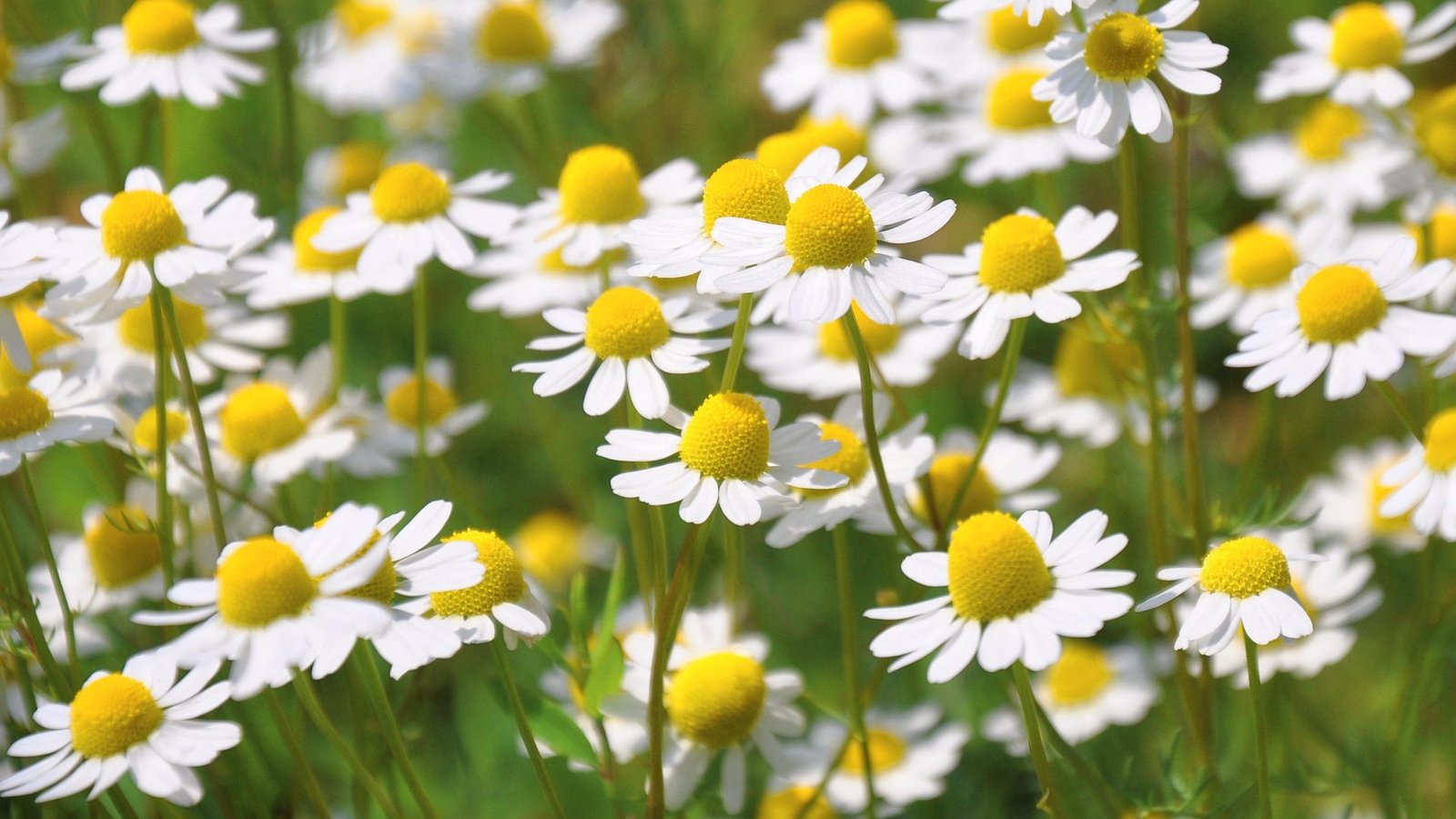
Chamomile is one of the world’s most widely enjoyed herbal infusions and is known for its gentle floral aroma and mild, slightly sweet flavor. It is made from the dried flowers of chamomile plants and has a long history of use in traditional herbal practices. Pure chamomile tea is naturally caffeine-free and is often enjoyed as part of an evening tea routine. Brewing Tip: Follow the preparation instructions on your tea product, as amounts and steeping times can vary.
Traditional Uses & What Research Says
Chamomile has a long history of traditional herbal use, including preparations associated with digestive complaints and relaxation. Chamomile and its naturally occurring plant compounds have also been studied scientifically, but the evidence varies depending on the preparation and the outcome being investigated. Research involving extracts or concentrated preparations should not automatically be interpreted as evidence of specific health benefits from drinking ordinary chamomile tea.
Peppermint
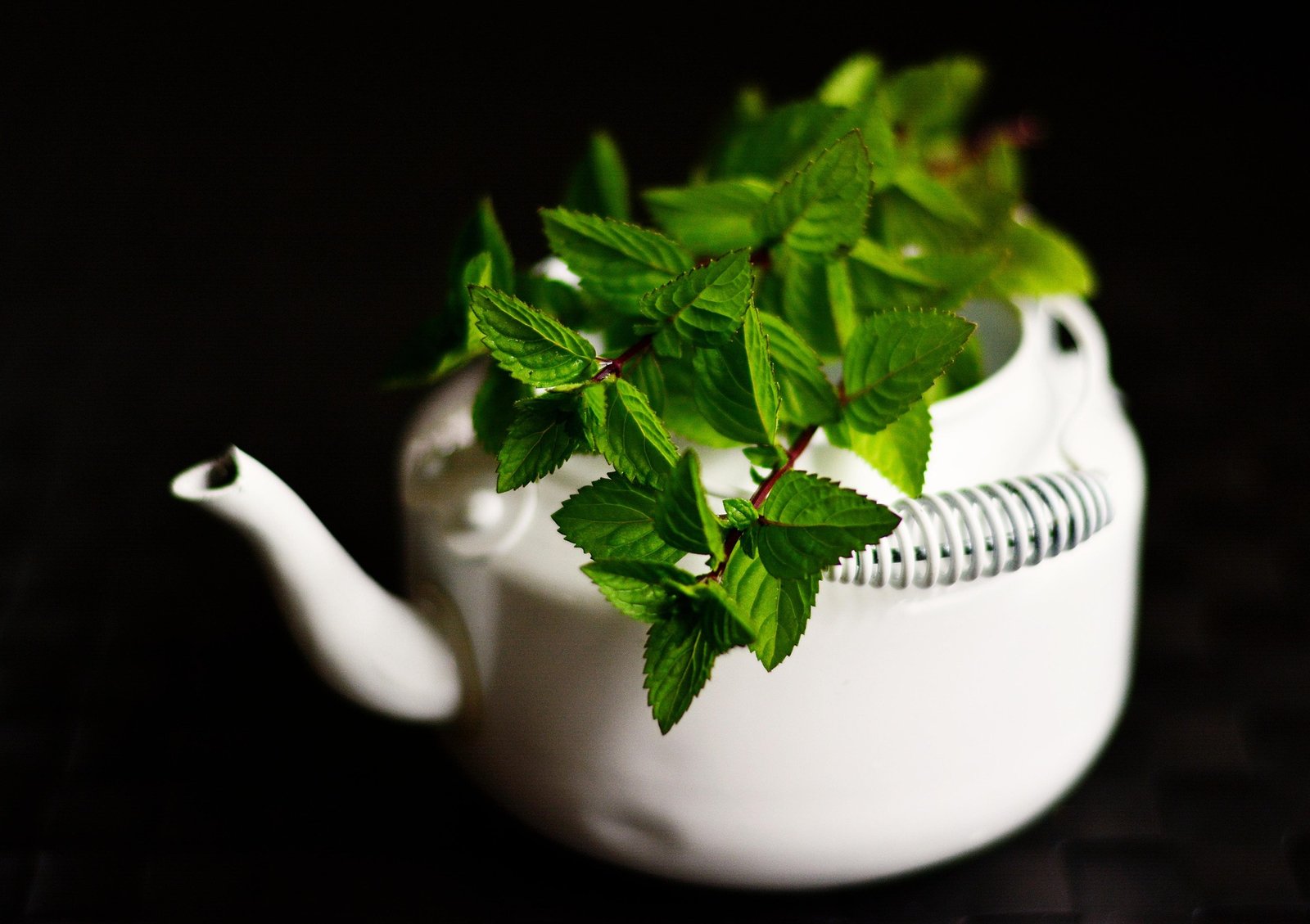
Peppermint is a popular aromatic herb known for its cool, minty flavor and distinctive aroma. Made from the leaves of the peppermint plant, peppermint tea is a naturally caffeine-free herbal infusion that can be enjoyed hot or cold. Its fresh flavor makes it a popular choice after meals or at different times of the day. Brewing Tip: Follow the preparation instructions on your tea product, as amounts and steeping times can vary.
Traditional Uses & What Research Says
Peppermint has a long history of traditional use, including preparations used for digestive complaints. Peppermint and its naturally occurring compounds have also been studied scientifically, but much of the research involves peppermint oil or other specific preparations rather than ordinary peppermint tea. These findings should not automatically be interpreted as evidence that drinking peppermint tea treats digestive conditions.
Lavender
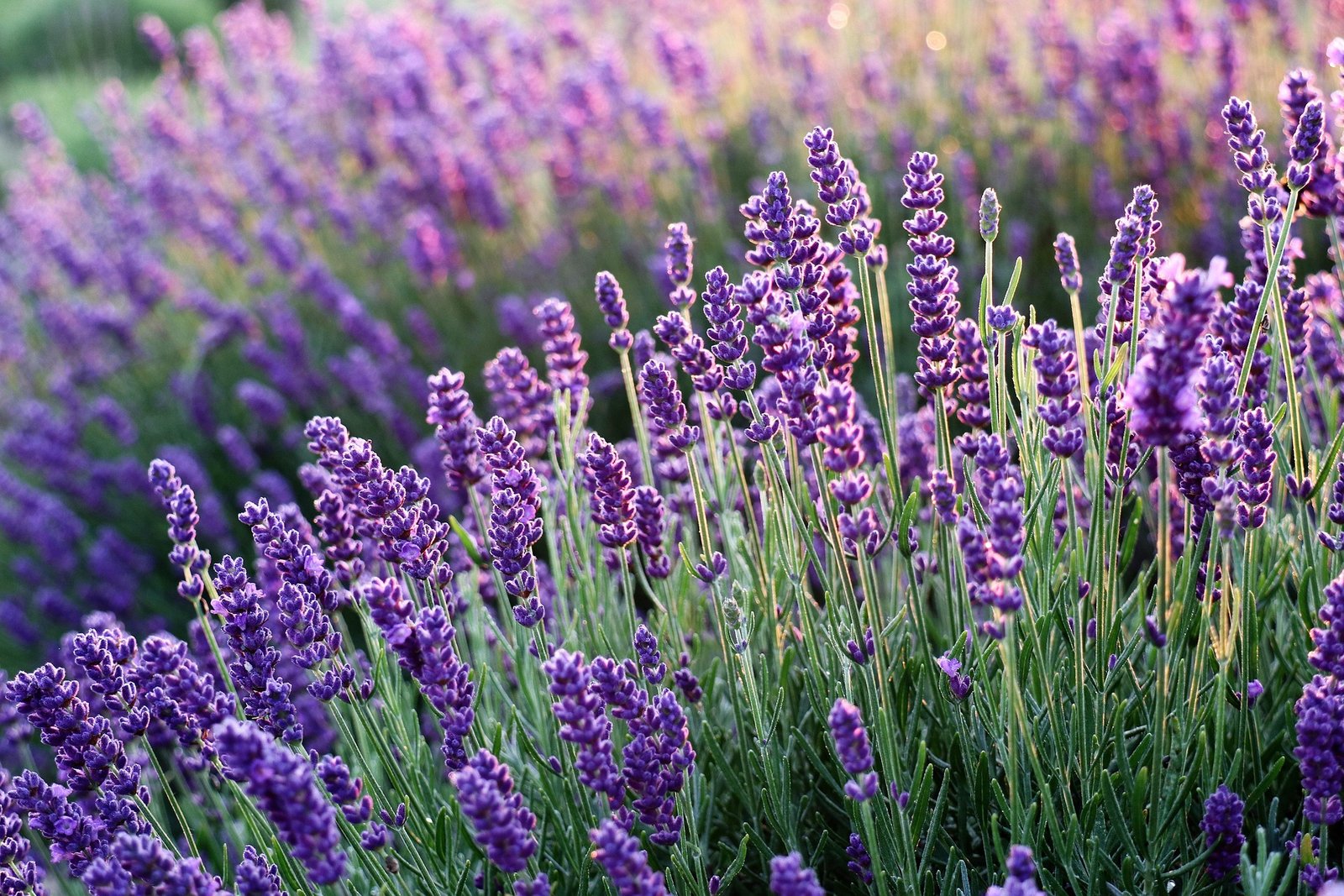
Lavender is an aromatic herb known for its distinctive floral fragrance. The flowers are used in a variety of culinary and herbal preparations, including naturally caffeine-free herbal infusions. Lavender tea has a floral, slightly sweet flavor and can be enjoyed simply for its aroma and taste. Brewing Tip: Follow the preparation instructions on your tea product, as amounts and steeping times can vary.
Traditional Uses & What Research Says
Lavender has a long history of traditional use and has also been investigated in scientific research, particularly in relation to relaxation, sleep, and anxiety. However, studies often involve lavender oil, aromatherapy, extracts, or other specific preparations rather than ordinary lavender tea. These findings should not automatically be interpreted as evidence that drinking lavender tea treats anxiety, sleep problems, or other health conditions.
Lemon Balm
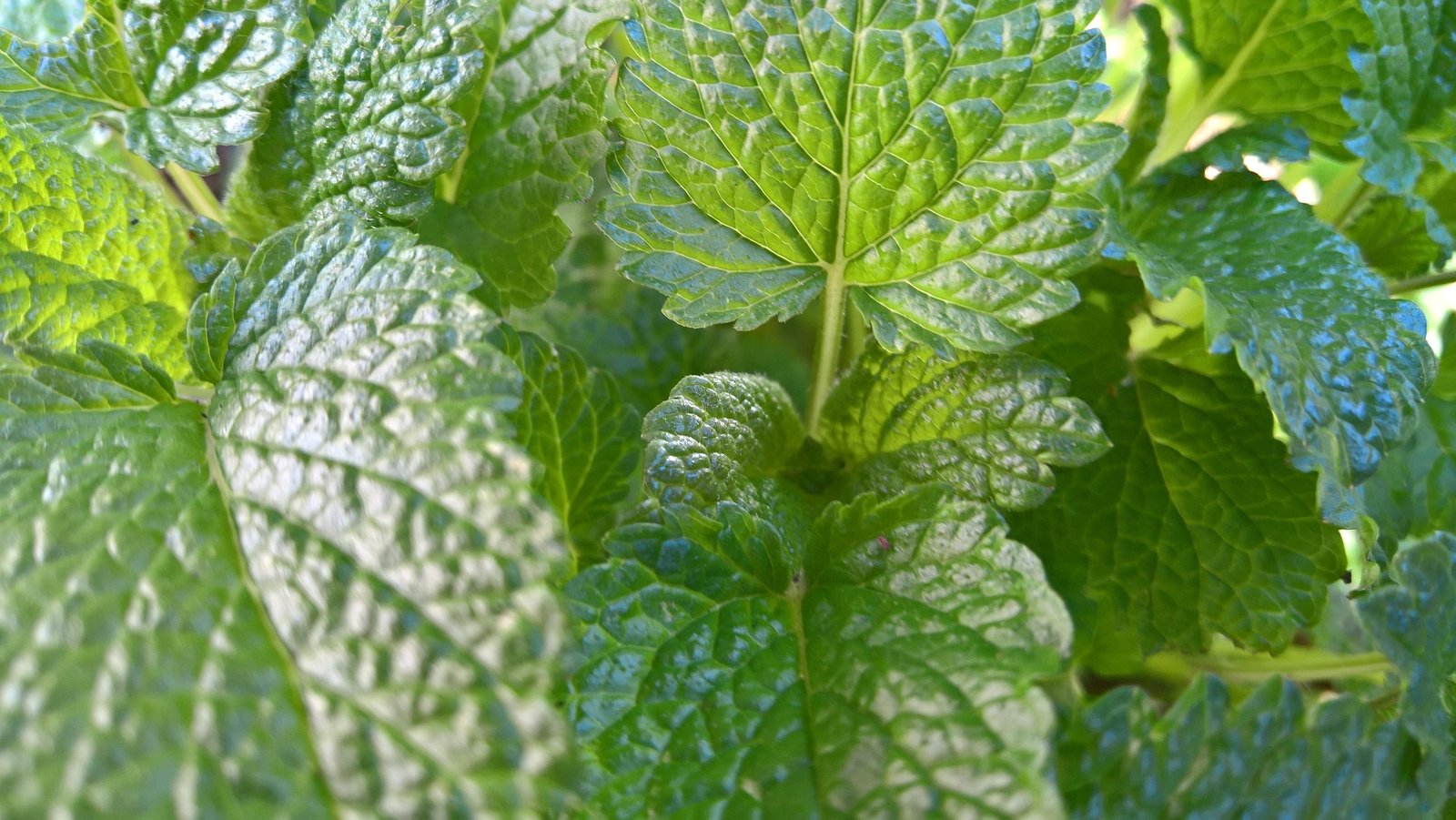
Lemon Balm is a fragrant herb from the mint family, appreciated for its fresh citrus scent and gentle flavor. It has been used for centuries in traditional herbal practices and is commonly enjoyed as a naturally caffeine-free herbal tea. Its light lemony taste makes it a refreshing beverage that can be enjoyed both hot and iced. Brewing Tip: Use freshly boiled water at 95–100°C (203–212°F) and steep for 5–7 minutes.
Traditional Uses & What Research Says
Lemon balm has a long history of traditional herbal use, including preparations associated with mild stress and digestive complaints. It has also been investigated scientifically, but studies may use specific extracts, doses, or preparations rather than ordinary lemon balm tea. These findings should not automatically be interpreted as evidence that drinking lemon balm tea treats anxiety, digestive conditions, sleep problems, or other health conditions.
Hibiscus
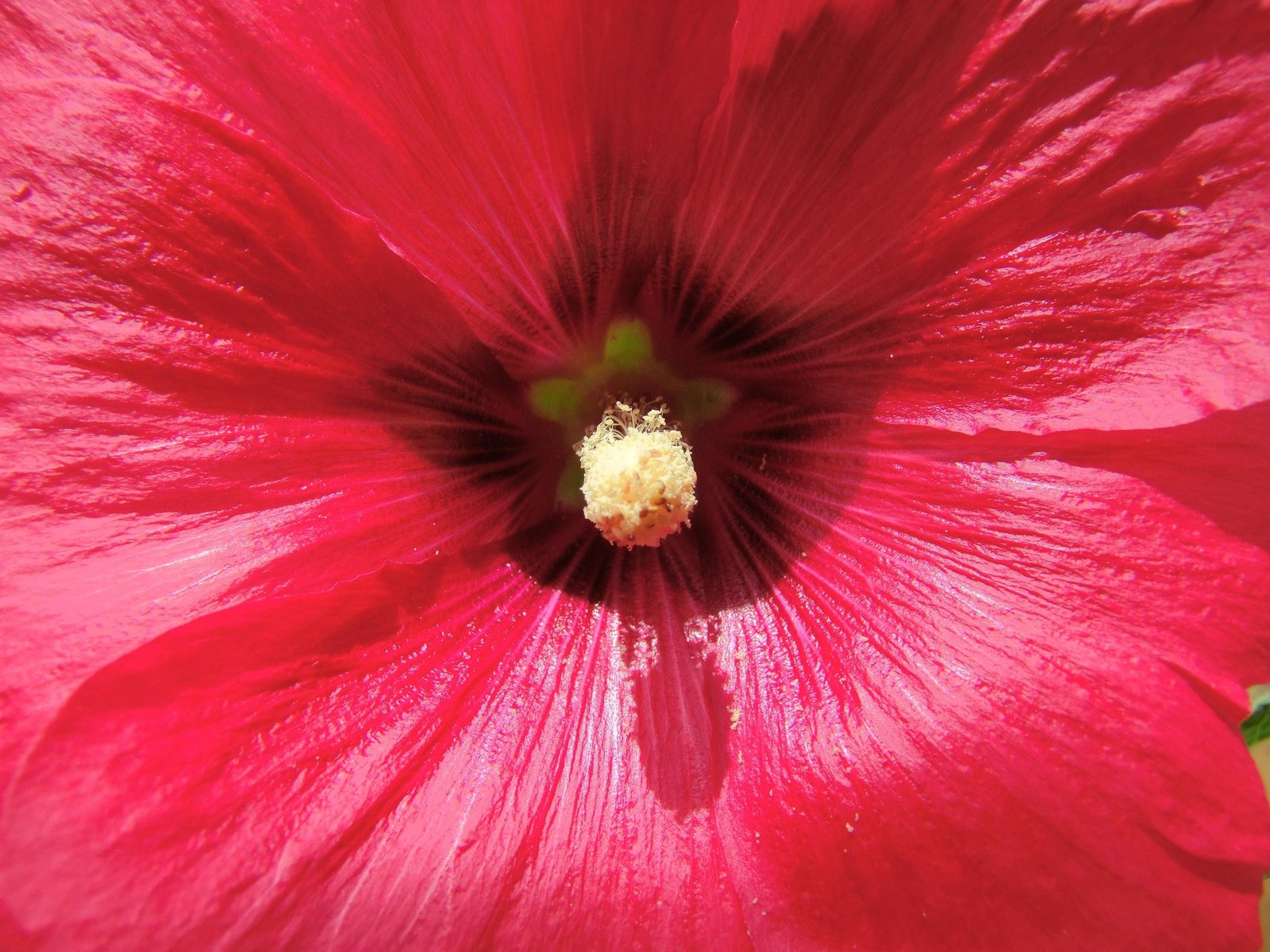
Hibiscus is a vibrant flowering plant known for its deep red herbal tea and pleasantly tart flavor. Made from the dried calyces of the hibiscus flower, this naturally caffeine-free infusion is enjoyed around the world both hot and iced. Its refreshing taste and brilliant color make hibiscus tea a favorite choice during warm weather. Brewing Tip: Use freshly boiled water at 95–100°C (203–212°F) and steep for 5–7 minutes.
Traditional Uses & What Research Says
Hibiscus contains a variety of naturally occurring plant compounds, including anthocyanins and other polyphenols. Hibiscus preparations have also been studied in relation to blood pressure and other health outcomes, but results depend on the preparation, amount, and study design. This research should not be interpreted as evidence that ordinary hibiscus tea treats high blood pressure, heart disease, or other medical conditions.
Dandelion
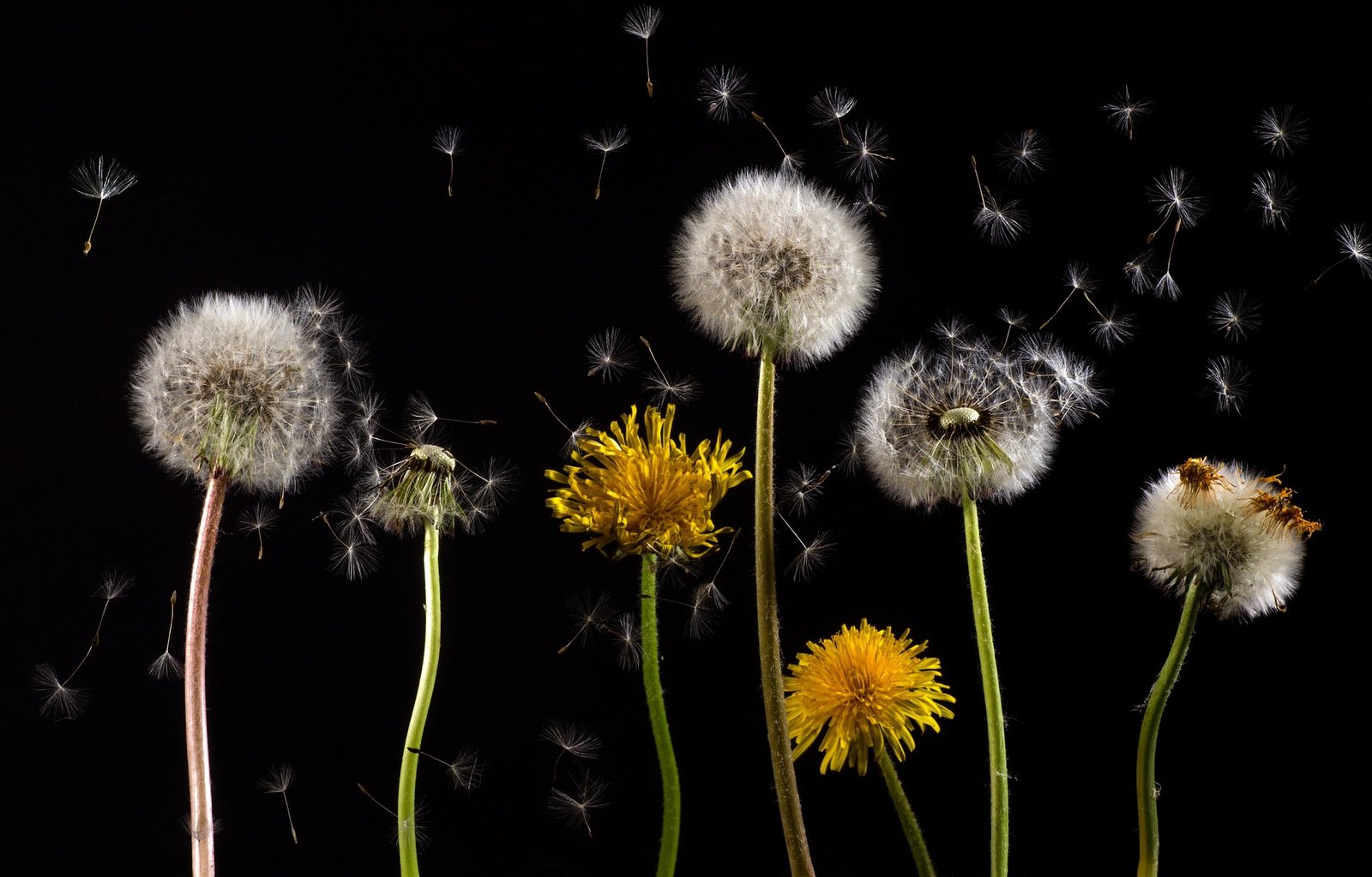
Dandelion has a long history of use as both a food and a traditional herbal preparation. Different products may use the leaves, roots, or other parts of the plant. Traditional uses should not be confused with proven medical benefits, as human research on dandelion remains limited.
Traditional Uses & What Research Says
Dandelion contains natural antioxidants and plant compounds that have traditionally been associated with liver support and healthy digestion. Many people enjoy dandelion tea as part of a balanced lifestyle because of its earthy flavor and natural origin. It is a popular herbal infusion enjoyed throughout the year.
Nettle
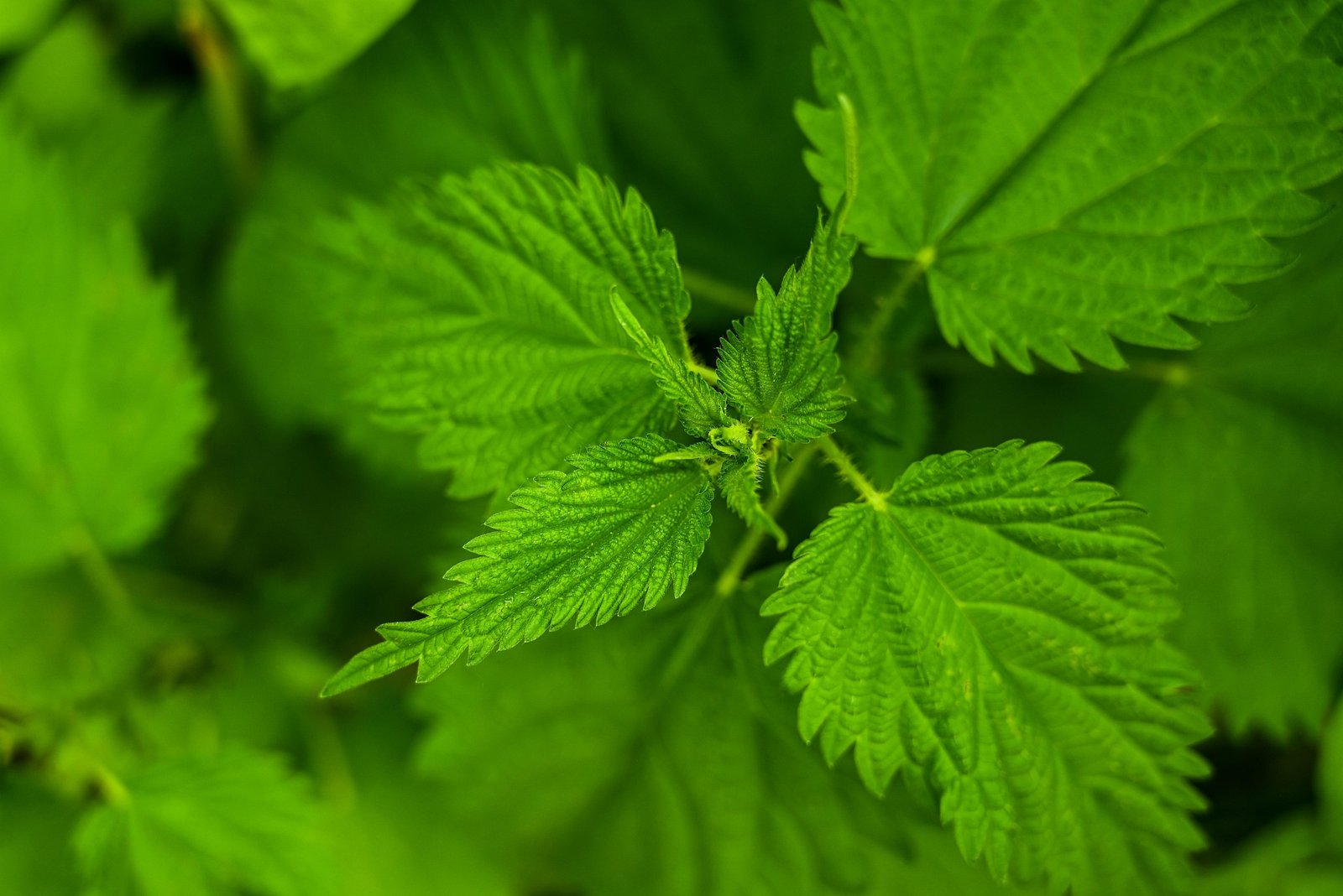
Nettle has a long history of use as both a food and traditional herbal ingredient. The dried leaves are commonly used to prepare a naturally caffeine-free herbal infusion with a mild, earthy flavor and fresh green notes. Brewing Tip: Follow the preparation instructions on your tea product, as brewing times and amounts can vary.
Traditional Uses & What Research Says
Nettle contains a variety of naturally occurring plant compounds and has a long history of traditional herbal use. Some nettle preparations have recognized traditional uses in Europe, but these should not be confused with proven medical benefits of ordinary nettle tea. Research involving extracts, roots, or other preparations should also not automatically be applied to brewed nettle leaf tea.
Sage
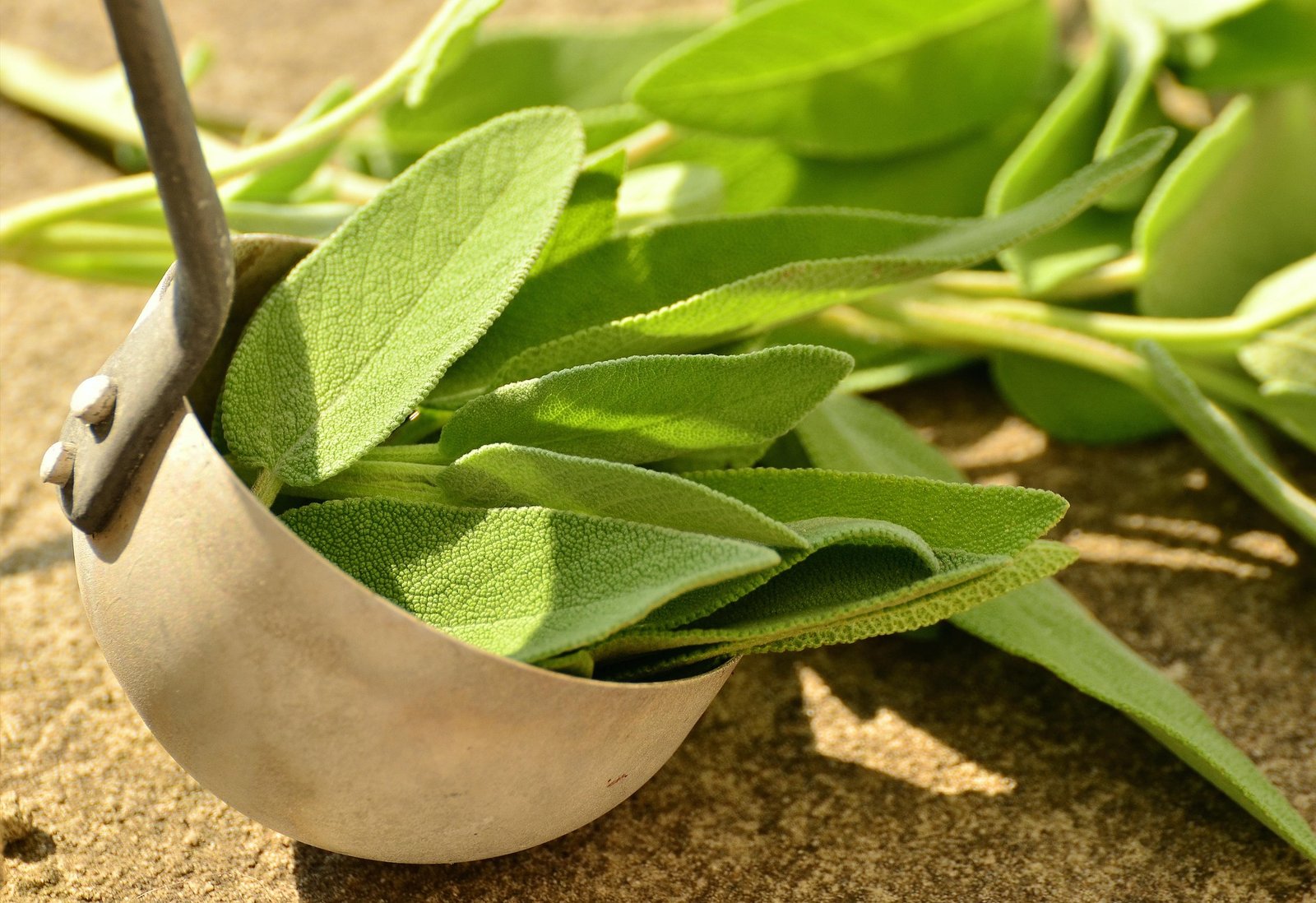
Sage is an aromatic Mediterranean herb with a long history in both cooking and herbal traditions. Its earthy, slightly peppery flavor makes sage tea a distinctive herbal infusion. Pure sage tea is naturally caffeine-free and can be enjoyed simply for its characteristic flavor. Brewing Tip: Follow the preparation instructions on your tea product, as amounts and steeping times can vary.
Traditional Uses & What Research Says
Sage has a long history of use in cooking and traditional herbal practices. It contains a variety of naturally occurring aromatic and plant compounds that have also been studied scientifically. However, research on concentrated sage preparations should not automatically be interpreted as evidence of specific health benefits from drinking ordinary sage tea.
Rosemary
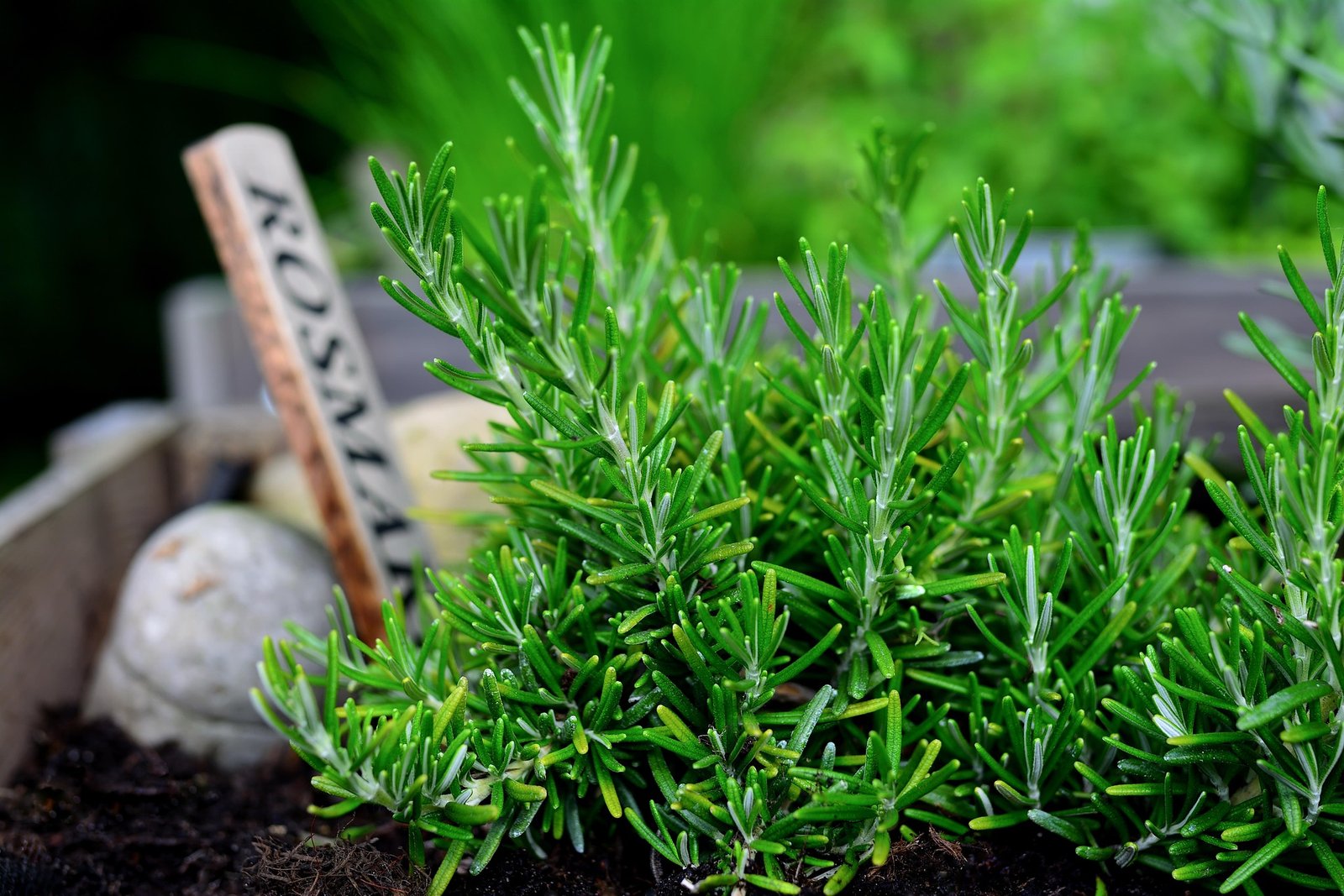
Rosemary is an aromatic evergreen herb native to the Mediterranean region. Known for its distinctive pine-like fragrance and slightly woody flavor, rosemary has been used for centuries in cooking and traditional herbal practices. As a naturally caffeine-free herbal tea, it offers a refreshing and warming experience. Brewing Tip: Use freshly boiled water at 95–100°C (203–212°F) and steep for 5–7 minutes.
Traditional Uses & What Research Says
Rosemary has a long history of use in cooking and traditional herbal practices. It contains naturally occurring aromatic compounds and polyphenols that have been investigated in scientific research. However, studies using rosemary extracts, essential oils, or concentrated preparations should not automatically be interpreted as evidence of specific health benefits from drinking ordinary rosemary tea.
Echinacea
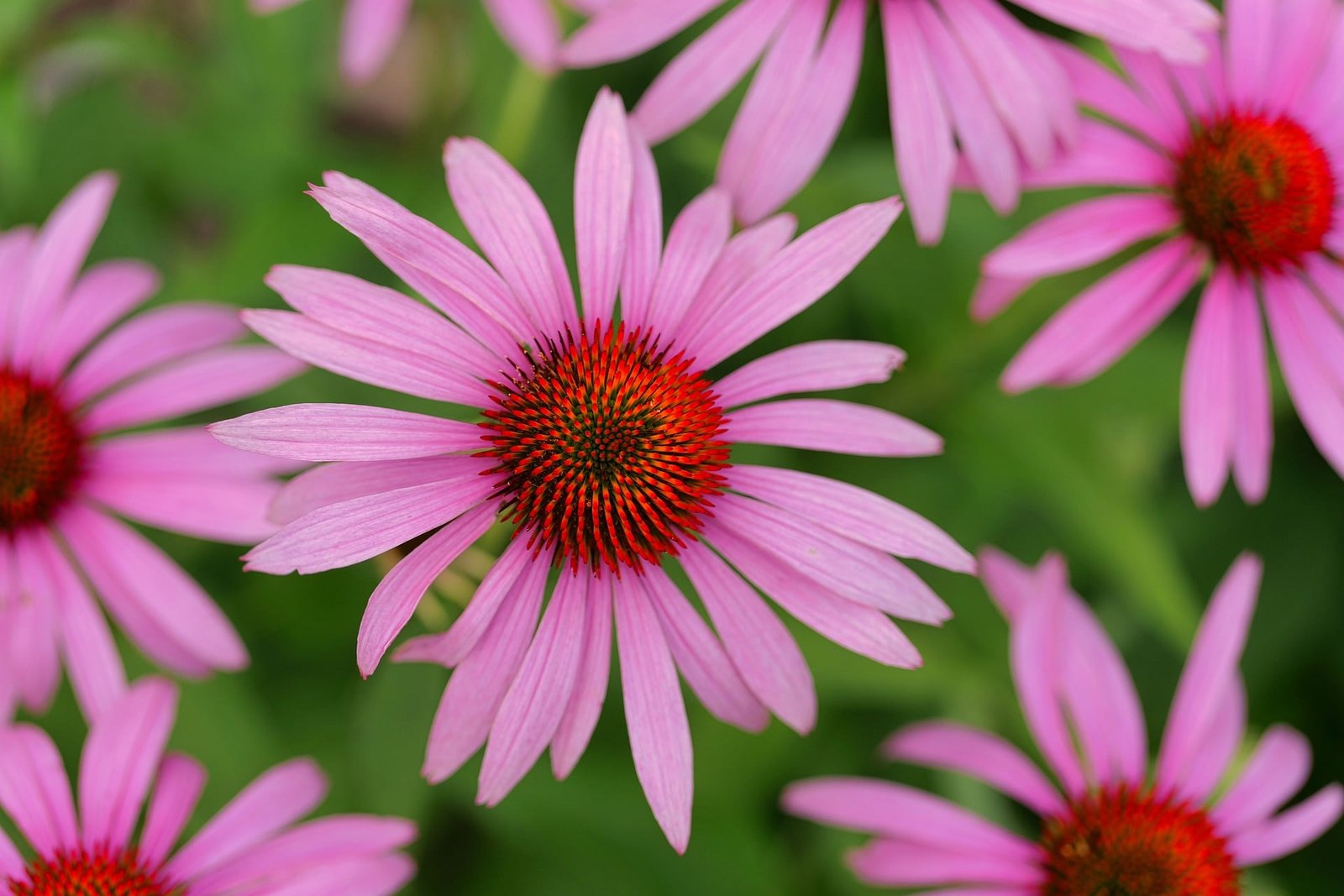
Echinacea, also known as purple coneflower, is a flowering plant native to North America. It has been widely used in traditional herbal practices and is commonly prepared as a naturally caffeine-free herbal tea. Echinacea tea has a mild, earthy flavor with delicate floral notes and is especially popular during the colder months. Brewing Tip: Use freshly boiled water at 95–100°C (203–212°F) and steep for 5–10 minutes.
Traditional Uses & What Research Says
Echinacea has a long history of traditional herbal use and has been widely studied, particularly in relation to the common cold. However, research findings are mixed, and studies often use specific echinacea species, extracts, or preparations. These findings should not automatically be interpreted as evidence that ordinary echinacea tea prevents or treats colds or other illnesses.