Greek tea is deeply connected to Mediterranean traditions, aromatic herbs, and simple everyday rituals. From Greek mountain tea made with Sideritis to soothing herbal infusions such as chamomile and sage, these drinks have been enjoyed for generations. Explore traditional Greek teas, their flavors, preparation methods, and the role they play in Greek tea culture.
Greek Mountain Tea (Sideritis)
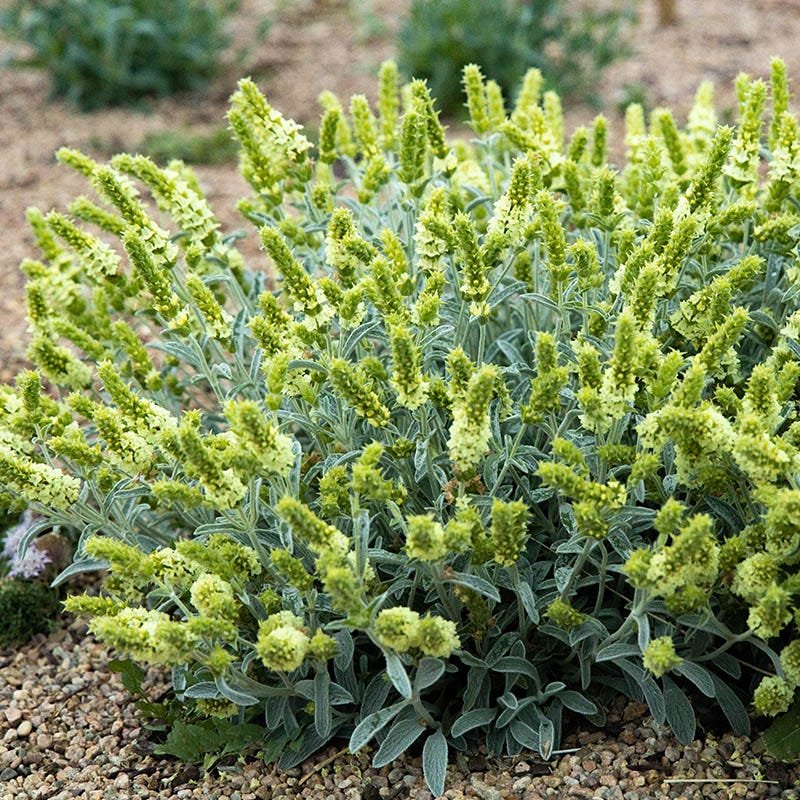
Greek mountain tea is a traditional herbal infusion made from Sideritis, a plant that grows in the mountainous regions of Greece. It has a mild, earthy flavor with delicate floral notes and is naturally caffeine-free. In Greece, it is commonly enjoyed warm, especially during the cooler months, often with a little honey or fresh lemon.
Want to go deeper? Read the full Beginner's Guide to Greek Mountain Tea for its history, brewing tips, and where to find authentic Sideritis.
Other Traditional Herbal Teas in Greece
Greek herbal tea traditions extend beyond mountain tea. Chamomile, sage, peppermint, and other aromatic herbs are commonly prepared as simple infusions. These herbs are valued for their distinctive flavors and aromas and are often enjoyed as warm, caffeine-free drinks throughout the year.
Chamomile Tea in Greek Tradition
Chamomile tea is a familiar herbal infusion in Greece, appreciated for its gentle floral aroma and mild taste. Dried chamomile flowers are steeped in hot water to create a naturally caffeine-free drink that can be enjoyed throughout the day. A little honey can be added for sweetness, although chamomile is also pleasant on its own.
Sage Tea in Greece
Sage is another aromatic herb used for herbal infusions in Greece. Its tea has a distinctive earthy, slightly peppery flavor and a strong herbal aroma. Dried sage leaves can be steeped in hot water for a simple caffeine-free drink, often enjoyed plain or with a little honey or lemon.
Peppermint Tea in Greece
Peppermint is used in Greece to prepare a fresh and aromatic herbal infusion. Its naturally cooling mint flavor makes it enjoyable both hot and cold, and because it is caffeine-free, it can be served at different times of the day. Lemon or a small amount of honey can be added according to taste.
Is Greek Mountain Tea Caffeine-Free?
Greek mountain tea made from Sideritis is naturally caffeine-free because it is an herbal infusion rather than a true tea made from the Camellia sinensis plant. This makes it a convenient option for people who want to enjoy a warm herbal drink without caffeine, including later in the day or in the evening.
Greek Tea in Everyday Life
Tea in Greece isn't usually a ritual on its own — it's woven into daily life. A cup of mountain tea often appears at the first sign of a cold, offered by a grandmother or a parent almost automatically, long before reaching for anything from a pharmacy. In the colder months, it's common to see bundles of dried Sideritis and chamomile drying in kitchens or sold at local markets and laiki (weekly street markets), rather than boxed on supermarket shelves.
Unlike coffee culture in Greece, which is social and often enjoyed at a kafenion with others, herbal tea tends to be a quieter, home-based habit — something brewed in small quantities, usually for comfort rather than as a social occasion.
How to Enjoy Greek Tea at Home
Bringing Greek tea traditions into your home can be simple. Keep dried Greek mountain tea or your favorite herbs on hand, prepare them with hot water, and adjust the strength to your taste. Enjoy your tea plain or add traditional accompaniments such as honey or lemon. Taking a few quiet minutes to prepare and enjoy a warm herbal infusion can turn an everyday cup into a relaxing Mediterranean-inspired ritual.
Bring a Taste of Greece Home
If you'd like to explore Greek mountain tea further, my Greek Mountain Tea Guide covers its traditions, preparation, and a little taste of Greece in more depth.
Final Thoughts on Greek Tea
Greek tea traditions are rooted in simple ingredients, aromatic herbs, and everyday enjoyment. From Greek mountain tea made with Sideritis to familiar herbal infusions such as chamomile, sage, and peppermint, there are many flavors to explore. Whether you enjoy Greek tea with honey and lemon or prefer it plain, these herbal infusions offer a simple way to bring a taste of Mediterranean tea culture into your daily routine.