If you've never heard of Greek mountain tea, you're not alone — outside of Greece, it's still a bit of a hidden gem. But it's one of the most traditional herbal teas in the Mediterranean, and it deserves a proper introduction.
What Exactly Is Greek Mountain Tea?
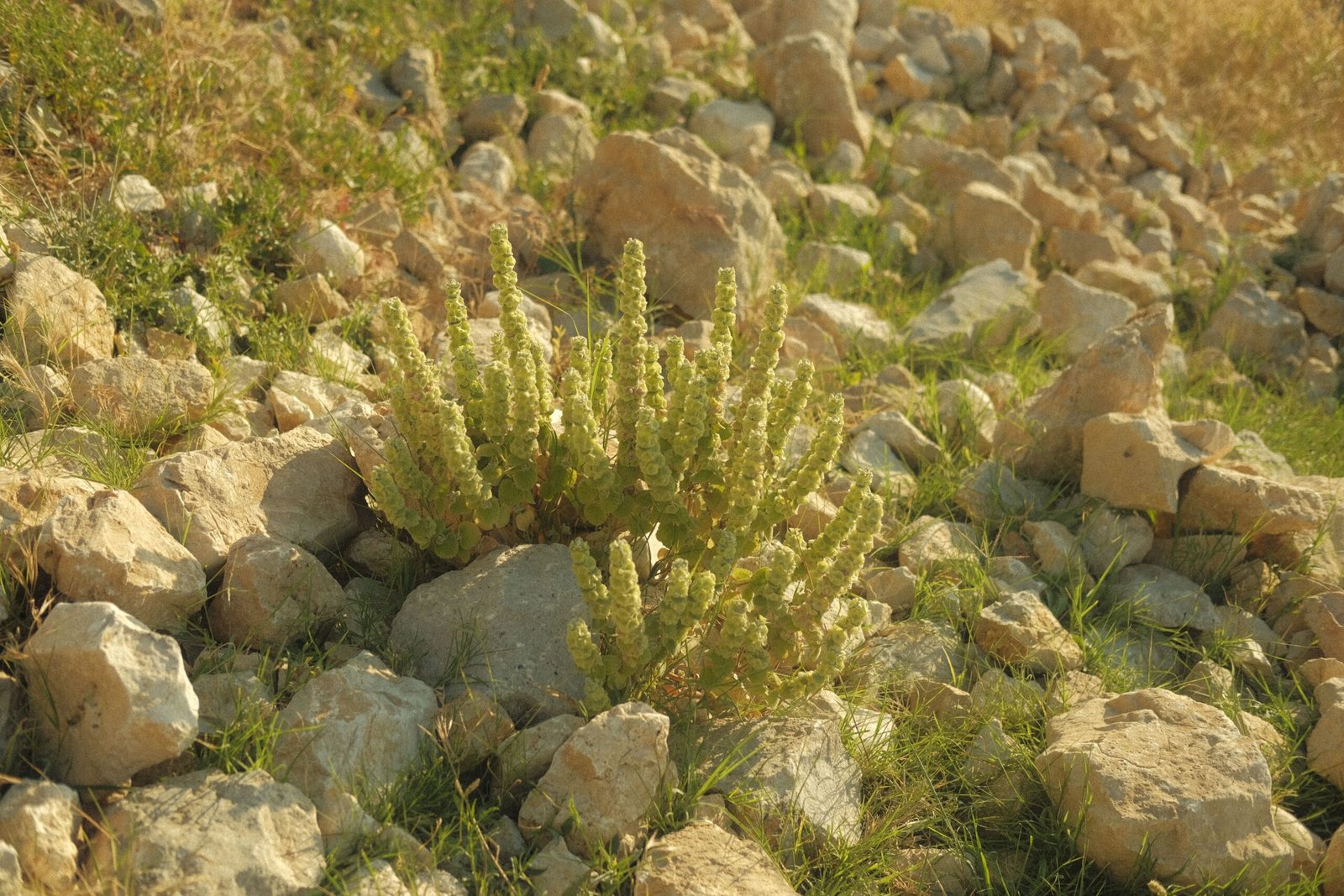
Greek mountain tea is made from the dried flowers and leaves of Sideritis, a wild herb that grows at high altitudes across Greece — often above 1,000 meters, tucked into rocky, sun-exposed mountainsides. Its name comes from the Greek word sideros (iron), possibly because the plant's stem resembles the tip of an old iron spear, or because it was traditionally used to treat wounds from iron weapons.
It's sometimes labeled "Greek shepherd's tea," since it was traditionally gathered by shepherds tending their flocks in the mountains — one of the simplest, most rural teas you'll come across.
What Does It Taste Like?
Mountain tea has a mild, slightly sweet, earthy flavor with floral undertones — much gentler than a typical herbal tea. It's naturally caffeine-free, so it's a good option any time of day, including right before bed.
A Tea With a Long Tradition
In Greek households, mountain tea isn't something you buy for a trend — it's something that's simply always been there, often gathered by family members in the mountains or bought dried in bunches at local markets. It has long been part of everyday home remedies passed down through generations, especially during the colder months. A use that's even acknowledged in the European Medicines Agency's official assessment of the plant.
I'm Greek myself, and mountain tea is one of those teas we always reach for at home when someone's coming down with a cold. It's less about following a recipe and more about a habit — put the kettle on, and that's what goes in the cup.
How to Brew It
Mountain tea is easy to prepare and forgiving if you get the timing slightly wrong:
1. Use about 1–2 dried sprigs (flowers and leaves) per cup of water.
2. Bring water to a boil, then add the tea.Let it simmer gently for 5–8 minutes — unlike delicate teas, mountain tea actually benefits from a longer steep.
3. Strain and serve as is, or with a spoonful of honey and a slice of lemon.
Where to Find Authentic Mountain Tea
Look for tea labeled Sideritis or "Greek mountain tea" — ideally sourced directly from Greece rather than a generic herbal blend. It's often sold in small dried bundles rather than tea bags, which is usually a good sign of quality over mass production.
Why It's Worth Trying
Greek mountain tea won't overwhelm you with a bold flavor — that's part of its charm. It's a quiet, comforting cup with centuries of tradition behind it, and a great starting point if you're curious about lesser-known herbal teas from the Mediterranean.
One Response