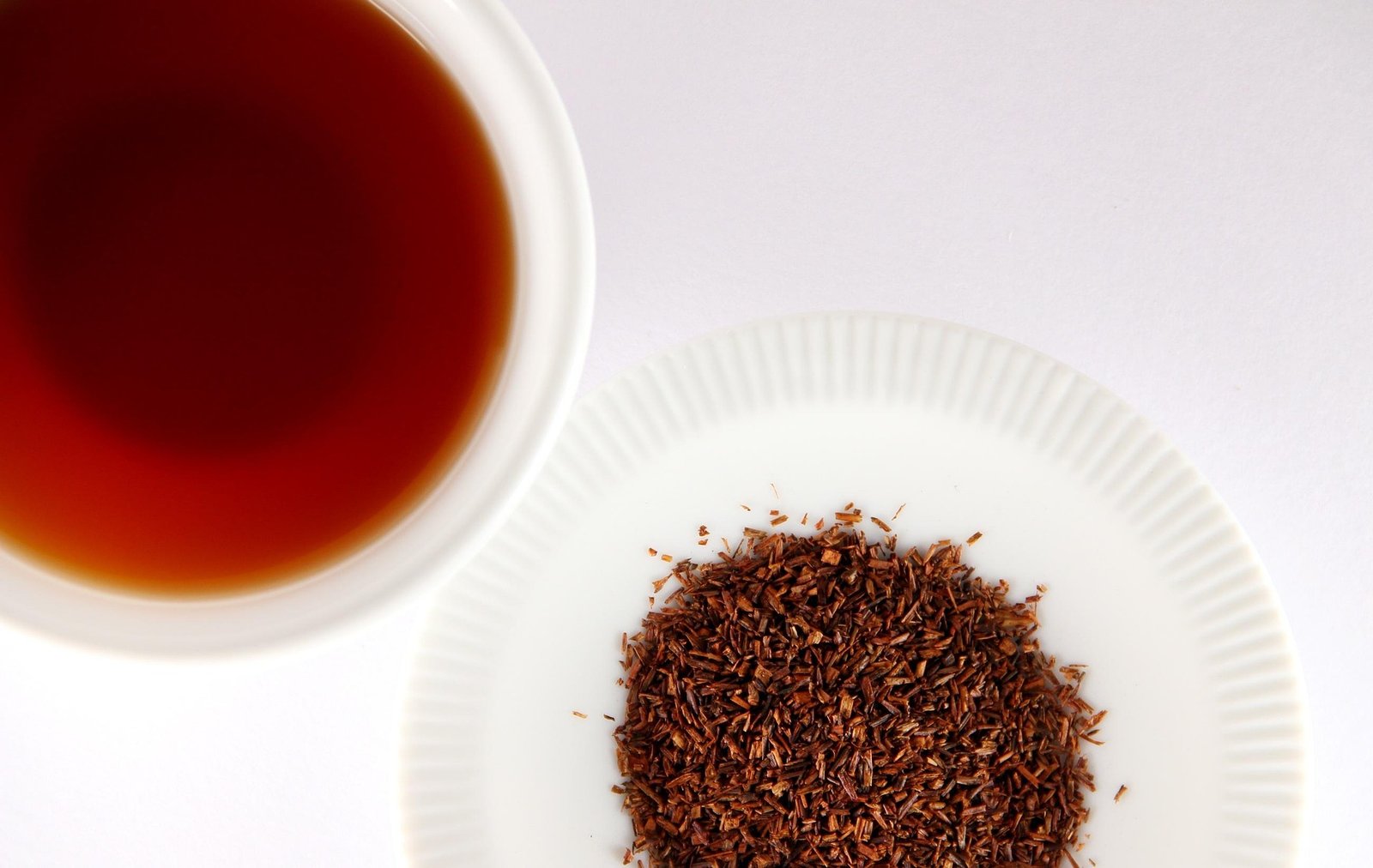
Rooibos tea benefits have made this naturally caffeine-free herbal drink increasingly popular around the world, especially among people looking for a caffeine-free alternative to traditional tea. Made from the leaves and stems of Aspalathus linearis, rooibos has a smooth, slightly sweet and earthy flavor and can be enjoyed both hot and cold. Unlike green or black tea, rooibos does not come from the Camellia sinensis plant and naturally contains no caffeine. It also provides distinctive plant compounds, including the flavonoid aspalathin. In this guide, we’ll explore 10 potential benefits of rooibos tea, what scientific research currently suggests, how to prepare it, and important safety considerations to keep in mind.
1. Naturally Caffeine-Free
One of the most practical rooibos tea benefits is that pure rooibos is naturally caffeine-free. Unlike green, black, white, and oolong tea, rooibos is not made from the Camellia sinensis plant. Instead, it comes from Aspalathus linearis, a shrub native to South Africa. This makes rooibos a useful option for people who want to reduce caffeine or enjoy a warm drink later in the day without the caffeine naturally found in traditional
2. Contains Unique Plant Compounds
Rooibos contains several naturally occurring polyphenols and flavonoids. One particularly interesting compound is aspalathin, a flavonoid that is characteristic of rooibos and has attracted scientific attention for its antioxidant properties. Rooibos also contains compounds such as nothofagin, orientin, and quercetin. However, antioxidant activity observed in laboratory research does not automatically mean that drinking rooibos tea prevents or treats disease, and human clinical evidence remains more limited.
3. Provides Antioxidant Plant Compounds
Rooibos contains a variety of polyphenols that have demonstrated antioxidant activity in laboratory studies. These include aspalathin, nothofagin, quercetin, and several other flavonoids. Researchers have investigated whether these compounds could influence oxidative stress in humans, but clinical evidence remains limited and results from laboratory experiments cannot automatically be translated into health benefits from drinking rooibos tea. For this reason, rooibos is best described as a source of antioxidant plant compounds rather than as a drink that prevents disease.
4. May Support Heart Health
Some small human studies have investigated rooibos for its potential effects on cardiovascular risk factors. Research has reported changes in markers such as LDL cholesterol, HDL cholesterol, and oxidative stress after regular rooibos consumption, but the available clinical studies are relatively small and more high-quality research is needed. Rooibos tea should therefore not be considered a treatment for high cholesterol or heart disease, although its potential cardiovascular effects remain an interesting area of research.
5. May Support Healthy Cholesterol Levels
Rooibos has been studied for possible effects on blood lipids. In one small study involving adults at risk for cardiovascular disease, drinking six cups of fermented rooibos per day for six weeks was associated with reductions in LDL cholesterol and triglycerides and an increase in HDL cholesterol. However, the study was relatively small, so these findings are not enough to recommend rooibos tea as a treatment for high cholesterol. More clinical research is needed to determine whether regular rooibos consumption has meaningful long-term effects on cardiovascular health.
6. May Have Effects on Blood Sugar Metabolism
Researchers have also investigated compounds in rooibos, particularly aspalathin, for possible effects on glucose metabolism. Laboratory and animal studies have produced interesting results, but evidence from human clinical trials is still limited. This means rooibos tea should not be promoted as a way to lower blood sugar or treat diabetes. For most people, unsweetened rooibos can simply be enjoyed as a naturally caffeine-free beverage while research into its metabolic effects continues.
7. A Naturally Low-Calorie Drink
Plain rooibos tea contains very few calories when it is prepared without sugar, honey, milk, or other additions. This makes it an easy alternative to sodas, sweetened iced teas, and other sugary beverages. Rooibos also has a naturally smooth and slightly sweet flavor, so many people may enjoy it without adding much sweetener. Choosing unsweetened beverages in place of sugar-sweetened drinks can help reduce overall added-sugar intake.
8. May Support a Heart-Healthy Beverage Routine
Another potential rooibos tea benefit is simply how easily it can fit into a heart-conscious eating pattern. Rooibos is caffeine-free and can be enjoyed without added sugar, while small human studies have explored possible effects on cardiovascular markers such as cholesterol and oxidative stress.
However, the available clinical evidence is still limited, and rooibos tea should not be considered a treatment for high cholesterol, high blood pressure, or cardiovascular disease.For everyday use, it is more appropriate to think of unsweetened rooibos as a flavorful beverage that can complement a balanced diet rather than as a medicinal drink.
9. Easy to Enjoy Hot or Cold
One practical advantage of rooibos is its versatility. Its naturally smooth, slightly sweet and earthy flavor works well as a traditional hot infusion, but rooibos can also be chilled and served over ice. Because pure rooibos is naturally caffeine-free, either preparation can be enjoyed at different times of the day. Lemon, orange, cinnamon, vanilla, or a small amount of honey can also be added for extra flavor.
10. A Caffeine-Free Alternative to Traditional Tea
Rooibos can be particularly useful for people who enjoy the ritual of drinking tea but want an alternative to caffeinated green or black tea. Since rooibos comes from Aspalathus linearis rather than Camellia sinensis, pure rooibos naturally contains no caffeine.
Its full-bodied flavor also means it can be served plain, with milk, or with other ingredients, depending on your preference.Choosing rooibos does not necessarily make it “healthier” than traditional tea—green and black teas contain their own distinctive plant compounds. Instead, rooibos provides another flavorful option when caffeine avoidance is a priority.
How to Make Rooibos Tea
Making rooibos tea is simple. Start with about 1 teaspoon of loose rooibos per cup (240 ml) of water, or use one rooibos tea bag. Bring fresh water to a boil, pour it over the rooibos, and allow it to steep for around 5 to 7 minutes. Because rooibos contains very little tannin compared with traditional tea, a longer steep generally produces a stronger flavor without becoming as bitter as over-steeped green or black tea.
Step 1: Heat the Water
Bring fresh water to a full boil, approximately 212°F (100°C). Rooibos is more robust than delicate green tea, so boiling water works well for extracting its characteristic reddish color and full-bodied flavor.
Step 2: Add the Rooibos
One of the most practical rooibos tea benefits is how simple this herbal infusion is to prepare at home. If you are using tea bags, one bag per cup is usually sufficient. Check the package instructions as well, since the recommended amount can vary depending on how finely the rooibos has been cut and the strength of the blend.
Step 3: Let the Rooibos Steep
Let the rooibos steep for about 5 to 7 minutes to develop its characteristic reddish-brown color and smooth, slightly sweet flavor. If you prefer a stronger cup, you can allow it to steep a little longer. Rooibos generally tolerates longer steeping well and is less likely to develop the pronounced bitterness that can occur with some traditional teas.
Step 4: Strain the Tea
Once the rooibos has reached your preferred strength, remove the tea bag or tea infuser. If you used loose rooibos directly in the pot or cup, pour the tea through a fine-mesh strainer. Rooibos leaves can be quite fine, so a closely woven infuser or strainer works particularly well.
Step 5: Add Optional Flavor
Rooibos can be enjoyed plain, but its naturally smooth flavor also pairs well with other ingredients. Try adding a small amount of honey, lemon, cinnamon, or vanilla. Rooibos can also be served with a splash of milk or a plant-based alternative for a creamier drink. Start with small additions so you can still taste the characteristic rooibos flavor.
Step 6: Enjoy Your Rooibos Tea
Once the rooibos has steeped and cooled to a comfortable temperature, it is ready to enjoy. Its naturally smooth, slightly sweet flavor makes it pleasant on its own, while milk, lemon, cinnamon, or a small amount of honey can be added according to your preference. Because pure rooibos is naturally caffeine-free, it can fit into a morning, afternoon, or evening tea routine.
How Much Rooibos Tea Should You Drink?
There is no scientifically established ideal daily amount of rooibos tea for general health. Human studies have used different quantities; for example, one small study investigating cardiovascular risk markers asked participants to drink six cups of fermented rooibos per day for six weeks. That study amount should not be interpreted as a recommendation that everyone needs six cups daily.For ordinary enjoyment, one or a few cups can simply be incorporated into your normal fluid intake according to your preferences. Drinking more rooibos does not necessarily provide greater health benefits, and the evidence is not strong enough to establish an optimal daily dose.
Can You Drink Rooibos Tea Every Day?
People interested in rooibos tea benefits often ask whether rooibos tea can be enjoyed every day. However, research on the long-term consumption of large amounts of rooibos is limited. Human studies examining potential health effects have generally been relatively small and short in duration, so there is no scientifically established amount that everyone should drink each day.For everyday enjoyment, moderate consumption is a sensible approach. If you have a medical condition, take prescription medication, or plan to consume unusually large amounts of rooibos regularly, discuss this with a healthcare professional.
What Is the Best Time to Drink Rooibos Tea?
There is no scientifically established best time to drink rooibos tea. Because pure rooibos is naturally caffeine-free, it can be enjoyed in the morning, during the afternoon, or later in the evening without adding caffeine to your diet.The best time therefore depends mostly on your personal routine. You might enjoy rooibos as a caffeine-free alternative to traditional tea in the afternoon or as a warm drink in the evening when you want to avoid the caffeine found naturally in green or black tea.
Can You Drink Rooibos Tea Before Bed?
Yes. Pure rooibos is naturally caffeine-free, which makes it a practical alternative to green or black tea later in the day. However, being caffeine-free does not mean that rooibos itself has been proven to improve sleep or treat insomnia. If you enjoy a warm drink as part of your evening routine, rooibos can simply provide a flavorful option without adding caffeine.
Rooibos Tea vs. Green Tea
Rooibos and green tea come from completely different plants. Rooibos is made from Aspalathus linearis, while green tea comes from Camellia sinensis. One of the biggest practical differences is caffeine: pure rooibos is naturally caffeine-free, whereas green tea naturally contains caffeine.The two teas also contain different plant compounds. Rooibos is particularly known for compounds such as aspalathin, while green tea contains catechins such as EGCG. Neither tea is universally “better.” Green tea may suit people who want some caffeine, while rooibos can be a useful choice when you prefer a caffeine-free drink.
Rooibos Tea vs. Black Tea
Rooibos and black tea can both produce rich, full-flavored drinks, but they come from different plants. Rooibos is made from Aspalathus linearis, while black tea comes from Camellia sinensis. The most noticeable difference for many people is caffeine: pure rooibos is naturally caffeine-free, whereas black tea naturally contains caffeine.Their plant compounds also differ. Rooibos contains distinctive flavonoids such as aspalathin, while black tea contains polyphenols formed during oxidation, including theaflavins and thearubigins. If you enjoy the stronger character of black tea but want to avoid caffeine, rooibos can be an interesting alternative.
Rooibos Tea vs. Herbal Tea
Rooibos is commonly grouped with herbal teas because it does not come from the traditional tea plant, Camellia sinensis. Technically, it is an herbal infusion made from Aspalathus linearis, a plant native to South Africa. Like many herbal teas, pure rooibos is naturally caffeine-free.What makes rooibos distinctive is that it comes from one specific plant and has its own characteristic flavor and plant compounds. The term “herbal tea,” by contrast, covers a huge variety of infusions made from ingredients such as chamomile, peppermint, lavender, hibiscus, ginger, and lemon balm.
Rooibos Tea vs. Chamomile Tea
Rooibos and chamomile tea are both naturally caffeine-free herbal drinks, but they have very different flavors and traditional uses. Rooibos has a smooth, slightly sweet and earthy taste, while chamomile is lighter and more floral. Chamomile has a long history of traditional use in relaxing evening routines, whereas rooibos is often chosen as an all-day caffeine-free alternative to traditional tea.Neither drink needs to be limited to bedtime. Rooibos may appeal more if you prefer a fuller-bodied cup, while chamomile may suit you if you enjoy a delicate floral flavor.
Rooibos Tea vs. Hibiscus Tea
Rooibos and hibiscus tea are both naturally caffeine-free herbal infusions, but their flavors and plant compounds are quite different. Rooibos is smooth, earthy, and subtly sweet, while hibiscus has a much more tart, fruity taste and characteristic deep red color.Hibiscus has received particular research attention for its potential effects on blood pressure, while rooibos research has explored areas such as antioxidant activity and cardiovascular risk markers. However, neither should be used as a replacement for medical treatment. For everyday drinking, the choice largely comes down to whether you prefer the smooth character of rooibos or the bright, tart flavor of hibiscus.
Frequently Asked Questions About Rooibos Tea Benefits
Rooibos has become popular as a naturally caffeine-free alternative to traditional tea. Research has explored rooibos and its plant compounds for possible effects on oxidative stress, cardiovascular markers, and glucose metabolism. However, human clinical research remains limited, and many findings come from laboratory or animal studies. For this reason, rooibos tea benefits should not be interpreted as evidence that rooibos can prevent or treat disease.
Does Rooibos Tea Contain Caffeine?
No. Pure rooibos is naturally caffeine-free because it comes from Aspalathus linearis rather than the Camellia sinensis plant used to make green, black, white, and oolong tea.This makes rooibos particularly useful for people who want to reduce caffeine or enjoy tea later in the day. If you buy a flavored rooibos blend, however, check the ingredient list because manufacturers can combine rooibos with other ingredients that contain caffeine.
Is Rooibos Tea Good for Your Heart?
Some small human studies have investigated rooibos for cardiovascular risk factors. One study involving adults at risk for cardiovascular disease found that consuming fermented rooibos for six weeks was associated with improvements in several markers, including LDL and HDL cholesterol and oxidative stress. However, the study was small, and larger clinical trials are needed before conclusions can be drawn about rooibos and heart health.Rooibos tea should therefore be enjoyed as a beverage rather than used to prevent or treat cardiovascular disease.
Can Rooibos Tea Lower Blood Pressure?
There is not enough strong clinical evidence to conclude that regularly drinking rooibos tea lowers blood pressure. Some research has investigated short-term cardiovascular effects of rooibos, but this is not sufficient to recommend it as a treatment for hypertension.If you have high blood pressure, rooibos should not replace prescribed medication, dietary changes, or other treatment recommended by your healthcare professional.
Can Rooibos Tea Help With Weight Loss?
Rooibos is sometimes promoted as a weight-loss tea, but there is not enough reliable human evidence to support this claim. Laboratory and animal research has investigated compounds such as aspalathin for possible effects on fat cells and metabolism, but these findings cannot be assumed to apply to people drinking ordinary rooibos tea.Unsweetened rooibos can still fit into a weight-conscious diet because it is a low-calorie alternative to sugary drinks. However, rooibos tea itself should not be presented as a proven way to burn fat or lose weight.
Is Rooibos Tea Good for Diabetes?
Rooibos and its characteristic compound aspalathin have attracted research interest for possible effects on glucose metabolism. Much of this evidence comes from laboratory and animal studies, while human clinical evidence remains insufficient to conclude that drinking rooibos tea improves blood sugar control or treats diabetes.People with diabetes can enjoy unsweetened rooibos as a caffeine-free beverage if it fits their individual diet, but it should not replace medication, dietary management, or other medical treatment.
Is Rooibos Tea Good for Digestion?
Rooibos is sometimes promoted for digestive comfort, but there is not enough strong human clinical evidence to say that drinking rooibos tea improves digestion or treats digestive conditions. Some laboratory and animal research has explored biological effects of rooibos and its compounds, but these findings should not be presented as proven digestive benefits in humans.If you simply enjoy rooibos after a meal, its caffeine-free nature makes it an easy beverage choice. Persistent digestive symptoms, however, should not be treated with rooibos tea alone.
Is Rooibos Tea Safe During Pregnancy?
Rooibos is commonly consumed as a beverage, but good-quality clinical research specifically establishing the safety of regular rooibos consumption during pregnancy is limited. Because pregnancy requires additional caution with herbal products, it is better not to assume that an herbal tea is automatically safe simply because it is caffeine-free.If you are pregnant or breastfeeding and want to drink rooibos regularly or in large amounts, discuss it with your healthcare professional, particularly if you also take medication or use other herbal products.
Is Rooibos Tea Good for Digestion?
Rooibos is sometimes promoted for digestive comfort, but there is not enough strong human clinical evidence to say that drinking rooibos tea improves digestion or treats digestive conditions. Some laboratory and animal research has explored biological effects of rooibos and its compounds, but these findings should not be presented as proven digestive benefits in humans.If you simply enjoy rooibos after a meal, its caffeine-free nature makes it an easy beverage choice. Persistent digestive symptoms, however, should not be treated with rooibos tea alone.
Is Rooibos Tea Safe During Pregnancy?
Rooibos is commonly consumed as a beverage, but good-quality clinical research specifically establishing the safety of regular rooibos consumption during pregnancy is limited. Because pregnancy requires additional caution with herbal products, it is better not to assume that an herbal tea is automatically safe simply because it is caffeine-free.If you are pregnant or breastfeeding and want to drink rooibos regularly or in large amounts, discuss it with your healthcare professional, particularly if you also take medication or use other herbal products.
Does Rooibos Tea Have Side Effects?
Rooibos tea appears to be well tolerated as a beverage for most people, but human safety data—especially for large amounts or long-term use—are limited. Rare case reports have described liver injury associated with rooibos consumption, although individual case reports cannot establish how frequently this occurs or prove that rooibos was the sole cause.For ordinary tea drinking, moderate consumption is a sensible approach. If you develop unusual symptoms after starting rooibos or have an existing liver condition, speak with a healthcare professional rather than using large amounts regularly.
Can Rooibos Tea Interact With Medications?
There is not enough good-quality human research to clearly define all possible interactions between rooibos tea and prescription medicines. Laboratory research can identify potential biological effects, but that does not necessarily mean a clinically important interaction occurs when someone drinks an ordinary cup of rooibos.If you take prescription medication—particularly for a chronic condition—or plan to consume large amounts of rooibos every day, discussing regular use with your doctor or pharmacist is the cautious approach.
Does Rooibos Tea Contain Tannins?
Rooibos contains tannins, but its tannin profile differs from that of traditional teas made from Camellia sinensis. Rooibos is generally described as relatively low in tannins, which contributes to its smooth taste and means it is less likely to become strongly bitter when steeped for longer periods.This is one reason rooibos can work well for people who prefer a milder, less astringent drink. However, the exact composition can vary depending on processing and preparation.
Red Rooibos vs. Green Rooibos
Red and green rooibos come from the same plant, Aspalathus linearis, but they are processed differently. Traditional red rooibos undergoes an oxidation process that produces its characteristic reddish-brown color and sweeter, fuller flavor. Green rooibos is processed to limit oxidation, resulting in a lighter color and fresher, more herbal taste.The processing difference also affects their plant compounds. Green rooibos generally retains higher levels of certain flavonoids, including aspalathin, than fermented red rooibos. That does not automatically make green rooibos “healthier,” however, because evidence comparing meaningful health outcomes in people remains limited.
What Does Rooibos Tea Taste Like?
Rooibos tea has a smooth, naturally mild flavor with slightly sweet, earthy, and sometimes nutty notes. Traditional red rooibos tends to have a fuller and sweeter character, while green rooibos usually tastes lighter, fresher, and more herbal.Because rooibos is relatively low in tannins compared with traditional tea, it generally has less astringency and bitterness. This makes it easy to drink plain, although milk, honey, vanilla, cinnamon, lemon, or orange can also complement its flavor.
Can Children Drink Rooibos Tea?
Pure rooibos is naturally caffeine-free, which distinguishes it from green or black tea. However, being caffeine-free does not automatically establish that regular rooibos consumption is appropriate for children of every age. Clinical safety research specifically involving children is limited.For occasional use, parents should consider the child's age, the ingredients in the particular blend, and any medical conditions or medications. For infants, very young children, or regular use for a health-related purpose, it is better to ask a pediatric healthcare professional first.
Can Rooibos Tea Be Served With Milk?
Yes. Rooibos has a naturally full-bodied, smooth flavor that works well with milk or plant-based alternatives. Unlike delicate herbal infusions such as chamomile or lavender, rooibos can stand up well to a creamier preparation, making it a popular caffeine-free alternative when you enjoy milk in black tea.For a simple cup, brew the rooibos slightly stronger than usual and add a small splash of milk after steeping. Cinnamon or vanilla can also complement its naturally sweet, earthy flavor.
Can You Make Iced Rooibos Tea?
Yes. Rooibos works particularly well as an iced tea because of its smooth flavor and naturally caffeine-free character. Brew the rooibos with hot water, allow it to cool, and refrigerate it before serving over ice.Fresh lemon, orange slices, mint, or berries can be added for extra flavor. If you prefer sweetness, add only a small amount of honey or another sweetener. Unsweetened iced rooibos can also provide a flavorful alternative to sodas and heavily sweetened bottled iced teas.
Does Rooibos Tea Contain Oxalates?
Information about the oxalate content of rooibos is more limited than for many commonly studied foods and beverages. Available research suggests that rooibos differs considerably in composition from traditional Camellia sinensis teas, but there is not enough standardized evidence to give a reliable universal oxalate value for every rooibos product or preparation.People who have been medically advised to follow a low-oxalate diet, particularly because of recurrent kidney stones, should follow the guidance of their healthcare professional rather than assuming that all herbal teas are automatically suitable.
Is Rooibos Tea Good for Your Skin?
Rooibos contains polyphenols and other plant compounds with antioxidant activity, which has led researchers to investigate potential effects on skin. However, much of this research involves laboratory experiments, topical preparations, or specific rooibos extracts rather than people drinking ordinary rooibos tea.There is currently not enough strong clinical evidence to claim that drinking rooibos tea improves acne, prevents skin aging, or treats skin conditions. Rooibos can still be enjoyed as part of a balanced diet, but skin-related claims should be treated cautiously.
Is Rooibos Tea Good for Your Kidneys?
There is not enough reliable human clinical evidence to conclude that rooibos tea improves kidney function or prevents kidney disease. Rooibos research has focused more heavily on its polyphenols, antioxidant activity, and possible cardiometabolic effects than on established kidney benefits.People with kidney disease or those who have been advised to restrict particular nutrients or fluids should not use rooibos as a kidney treatment. If you have a kidney condition and want to drink herbal teas regularly, it is best to discuss your choices with your healthcare professional.
Can Rooibos Tea Help With Inflammation?
Rooibos contains polyphenols that have demonstrated anti-inflammatory activity in laboratory and animal research. Compounds such as aspalathin have received particular scientific attention. However, these findings do not establish that drinking ordinary rooibos tea reduces inflammation in people or treats inflammatory diseases.Human clinical research is still limited, so rooibos is better described as a source of plant compounds being investigated for biological effects rather than as an anti-inflammatory treatment.
Is Rooibos Tea Better Than Green Tea?
Neither rooibos nor green tea is universally better. They have different characteristics and can serve different purposes. Green tea contains caffeine and catechins such as EGCG, while rooibos is naturally caffeine-free and contains distinctive compounds including aspalathin.Green tea has a substantially larger body of human research behind it. Rooibos may be particularly attractive if you want to avoid caffeine or prefer its smooth, slightly sweet flavor. Instead of treating one as healthier than the other, both can fit into a varied tea routine depending on your preferences and caffeine tolerance.
Can Rooibos Tea Stain Your Teeth?
Rooibos has a deep reddish-brown color when brewed, but there is limited clinical research specifically examining whether regular rooibos consumption causes noticeable tooth staining. Traditional teas such as black tea contain different polyphenols and tannins, so findings about staining from black tea should not automatically be applied to rooibos.Normal dental hygiene is the more important consideration. If staining is a concern, rinsing your mouth with water after strongly colored beverages can be a simple habit.
Is Rooibos Tea Hydrating?
Yes. Rooibos tea is primarily water and can contribute to your daily fluid intake. Because pure rooibos is naturally caffeine-free, it also provides an option for people who want additional fluids without consuming caffeine.Unsweetened rooibos can be enjoyed hot or cold as part of normal hydration. However, there is no evidence that rooibos hydrates the body substantially better than ordinary water; its main advantage is providing flavor and variety without caffeine or added sugar.
Can Rooibos Tea Affect Iron Absorption?
Rooibos contains polyphenols, but its effect on iron absorption appears to differ from traditional tea. An older human study comparing rooibos with ordinary tea found that rooibos caused a much smaller reduction in iron absorption than traditional tea. However, the study was small, so the findings should not be treated as definitive evidence that rooibos has no effect on iron status.If you have iron deficiency or have been advised to maximize iron absorption, it is still sensible to follow your healthcare professional’s guidance about drinking tea around meals.
Is Rooibos Tea Acidic?
Rooibos is generally considered a mild-tasting herbal infusion, but the acidity of a prepared cup can vary depending on the product, brewing method, and added ingredients. Adding lemon or other citrus ingredients will make the drink more acidic.People who experience acid reflux or have sensitive teeth should pay attention to how they personally respond rather than assuming that rooibos will either cause or prevent symptoms.
Final Thoughts on Rooibos Tea Benefits
The growing interest in rooibos tea benefits has made this naturally caffeine-free herbal infusion popular around the world. Rooibos has a smooth flavor and distinctive plant compounds such as aspalathin.. Among the most practical rooibos tea benefits are its lack of caffeine, versatility, and ability to provide a flavorful alternative to sweetened or caffeinated beverages.Research has also explored rooibos for potential effects on antioxidant activity, cardiovascular markers, cholesterol, and glucose metabolism. However, human clinical evidence remains limited, and many popular health claims rely heavily on laboratory or animal research. Rooibos is therefore best enjoyed as part of a varied tea routine rather than used as a treatment for a medical condition.
One Response