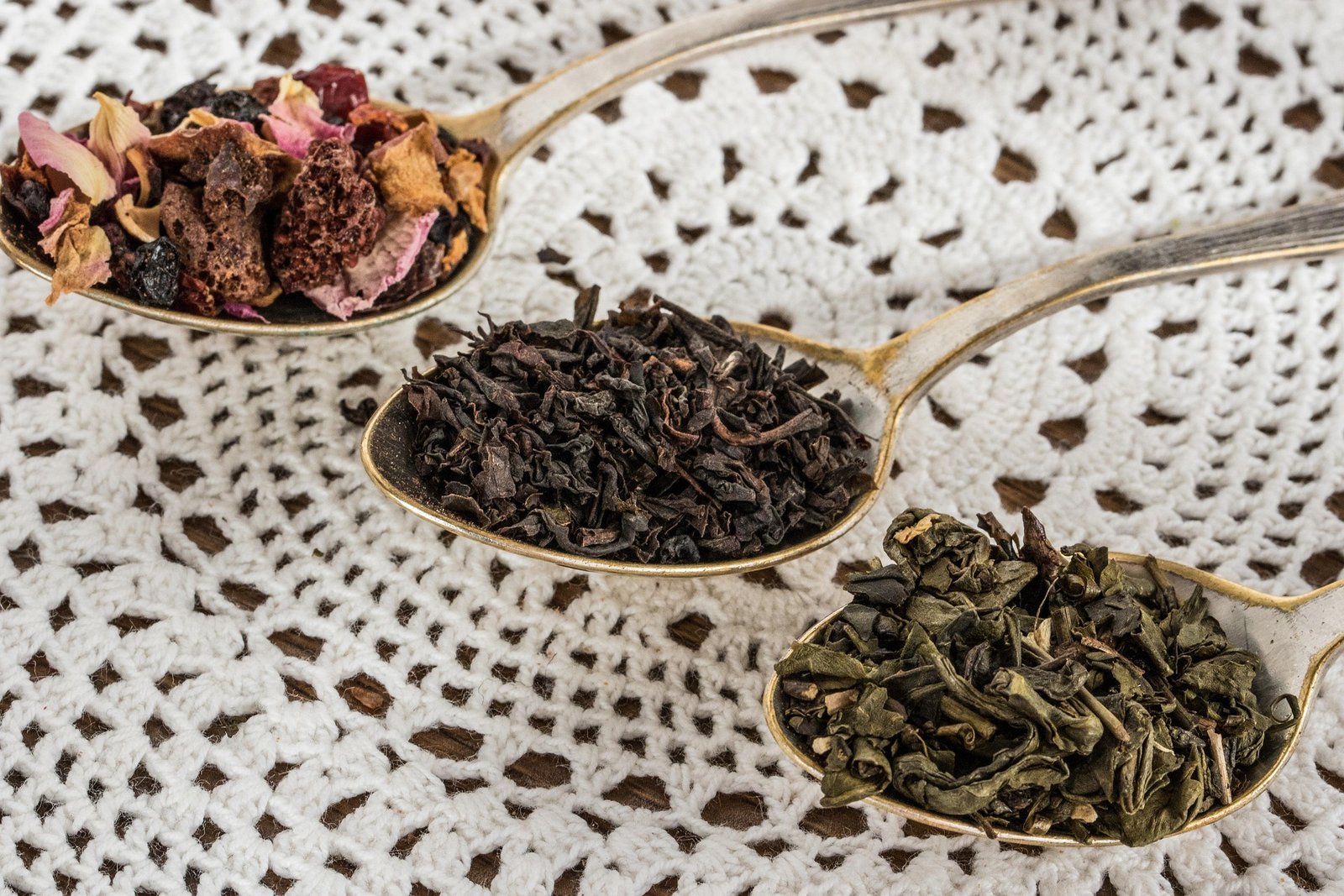
Does tea expire? If you have discovered an old box of tea bags or a forgotten tin of loose-leaf tea in your cupboard, you may wonder whether it is still good to drink.
Dry tea does not usually spoil in the same way as fresh or highly perishable foods when it has been stored properly. However, tea gradually loses aroma, flavor, and freshness over time. Exposure to moisture, heat, light, air, and strong odors can speed up this deterioration.
The date printed on the package and the actual condition of the tea are therefore not quite the same thing. Storage conditions, packaging, and the type of tea all influence how well it maintains its quality.In this guide, we’ll look at how long tea can last, how to recognize tea that should be discarded, and how to store tea properly to help preserve its flavor and aroma.
Does Tea Really Expire?
Tea packages often include a best-before or best-by date, but this date is mainly useful as a guide to quality and freshness. When dry tea is stored correctly, its aroma and flavor will usually decline gradually over time rather than suddenly changing on a particular date.
How quickly this happens depends on the type of tea, its packaging, and how it is stored. Exposure to air, moisture, heat, light, and strong odors can reduce the quality of tea and cause it to lose its characteristic aroma and flavor.
Moisture deserves particular attention. Tea that has been exposed to damp conditions may deteriorate and should be checked carefully before use. The Tea and Herbal Association of Canada recommends keeping tea and herbal tea in a sealed container away from sunlight to help preserve its flavor.
So, does tea expire? There is no single shelf-life rule that applies to every tea. A better approach is to check the package instructions, consider how the tea has been stored, and look for noticeable changes in its appearance, smell, or condition.
Best-Before Date vs. Tea Freshness
A best-before date should not automatically be interpreted as the exact day a dry tea becomes unusable. It is better to think of it as a reference point for maintaining the quality intended by the producer.
Once a package has been opened, storage becomes especially important. Keeping the leaves well sealed and protected from sunlight, moisture, heat, and surrounding odors can help preserve their original character for longer.
How Long Does Tea Last?
The shelf life of tea varies depending on the type of tea, its packaging, and how it is stored. The following ranges are best understood as general freshness guidelines rather than strict expiration dates.
Important: These are general guidelines for maintaining quality, not guaranteed safety or expiration dates. Always follow the manufacturer's storage instructions and best-before information when available.
Harvard recommends keeping tea away from light, heat, moisture, odors and air, preferably in an airtight container in a dark cupboard at a stable room temperature. Refrigerating or freezing ordinary stored tea is generally not recommended because introduced moisture can degrade it.
How to Tell If Tea Has Gone Bad
Old tea is not necessarily spoiled tea. In many cases, properly stored dry tea simply becomes less aromatic and flavorful as it ages. However, there are situations where tea should be discarded rather than brewed.
1. Check for Moisture or Mold
Dry tea should remain dry. If the leaves or tea bags have become damp, show visible mold, or appear unusually clumped because of moisture, it is safest to discard them.
Do not try to remove only the affected leaves and use the rest of the tea.
2. Smell the Tea
Tea naturally loses aroma over time, so a weak or faded smell can simply indicate that the tea is past its best quality.
A distinctly musty, moldy, or otherwise unusual odor, however, is a reason not to use it.
3. Look for Unusual Changes
Check loose-leaf tea and tea bags before brewing. Unexpected discoloration, visible contamination, moisture damage, or other unusual changes may indicate that the tea has not been stored properly.
4. Check for Insects
Because tea is a dried plant product, improperly stored packages can occasionally be affected by pantry pests. If you notice insects, larvae, webbing, or other signs of infestation, discard the affected tea.
Stale Tea vs. Spoiled Tea
It is useful to distinguish between stale tea and potentially spoiled tea.Stale tea may have a weaker aroma, flatter flavor, or less of its original character. This is primarily a quality issue.Tea showing mold, moisture damage, pest infestation, or an abnormal musty odor should not be consumed.The simple rule is: when you are unsure about the condition of an old tea, it is better to replace it.
How to Store Tea Properly
If you are wondering does tea expire, storage is one of the most important factors to consider. Tea can gradually lose its aroma and flavor when it is exposed to air, moisture, heat, light, or strong surrounding odors.
A few simple storage habits can help preserve its quality for longer.
For additional information about tea and its storage, see the Harvard T.H. Chan School of Public Health – The Nutrition Source.
1. Use an Airtight Container
After opening the original package, keep tea tightly sealed. An airtight tin or another food-safe container helps reduce exposure to air and moisture.
Avoid leaving loose-leaf tea or tea bags in an open package for long periods.
2. Keep Tea Away From Light
Direct sunlight and prolonged exposure to light can negatively affect tea quality. Store your tea in an opaque container or inside a dark cupboard rather than in a clear jar on a sunny kitchen shelf.
3. Protect Tea From Moisture
Moisture is particularly important to avoid. Always use a clean, dry spoon when measuring loose-leaf tea and close the container immediately afterward.Do not store tea close to areas where it is regularly exposed to steam or humidity.
4. Avoid Heat
A cool location with a relatively stable room temperature is generally preferable. Avoid keeping tea directly beside an oven, stove, radiator, or another source of heat.
5. Keep Tea Away From Strong Odors
Dry tea can absorb surrounding aromas. Coffee, spices, scented products, and strongly aromatic foods can therefore affect its original character if the tea is not properly sealed.
6. Label Your Tea
If you transfer loose-leaf tea into another container, consider adding the tea name and opening date to the label. This makes it much easier to keep track of older teas in your collection.
Should You Store Tea in the Refrigerator?
For everyday tea storage, a dry, dark cupboard and a well-sealed container are usually the simpler choice. Refrigerators can introduce moisture and odors when tea is repeatedly removed and returned.Specialty teas may come with specific storage recommendations, so always follow the producer's instructions when provided.Harvard’s Nutrition Source similarly recommends protecting tea from light, heat, moisture, odor, and air, and notes that refrigeration or freezing is generally not recommended because condensation can introduce moisture.
Can You Drink Tea After the Best-Before Date?
Tea that has passed its best-before date is not automatically unusable. With dry tea, the date is often more closely related to quality and freshness than to a sudden change on a specific day.
Before using older tea, check how it has been stored and examine the leaves or tea bags. If the tea is completely dry, has no visible mold or pest contamination, and does not have an unusual or musty odor, the main difference may simply be a loss of aroma and flavor.
However, you should discard tea if you notice signs of moisture, mold, infestation, or other unusual deterioration.
What Happens to Tea as It Gets Older?
Over time, tea may gradually become:
- less aromatic
- less flavorful flatter or duller in taste
- less characteristic of its original variety
This does not necessarily mean that the tea has suddenly “expired.” It may simply be past its best quality.
Brewing Older Tea
If an older tea still appears to be in good condition, proper preparation becomes especially important. Water temperature and steeping time can have a noticeable influence on the final cup.
For detailed temperatures and steeping times for green, white, oolong, black, Pu-erh, and herbal teas, see our How to Brew Tea Properly guide.
Frequently Asked Questions
Do Tea Bags Expire?
Tea bags can gradually lose freshness, aroma, and flavor over time. The best-before date on the package is a useful quality guide, but storage conditions also matter. Keep tea bags dry, well sealed, and protected from heat, light, moisture, and strong odors.
Does Tea Expire? What About Loose Leaf Tea?
Loose-leaf tea can also become stale over time. How quickly its quality declines depends on the type of tea, packaging, and storage conditions. An airtight container stored in a cool, dark, and dry place can help preserve its aroma and flavor.
Can You Drink Tea That Is 2 Years Old?
Age alone does not tell you whether tea is suitable to use. Check the manufacturer's information and examine how the tea has been stored. Tea showing mold, moisture damage, pest infestation, or an abnormal odor should be discarded.
Even when older tea shows no obvious signs of deterioration, its flavor and aroma may be noticeably weaker.
Does Herbal Tea Expire?
Herbal teas and infusions contain a wide variety of dried ingredients, including leaves, flowers, roots, fruits, and spices. Their storage life can therefore vary considerably. Follow the best-before date and storage instructions provided by the manufacturer, and discard products showing signs of moisture, mold, pests, or unusual deterioration.
Does Tea Go Bad After Opening?
Opening the package exposes tea more frequently to air and potentially to moisture and surrounding odors. This can accelerate the loss of freshness. Resealing the package carefully or transferring the tea to a suitable airtight container can help maintain its quality.
Can Expired Tea Make You Sick?
A date printed on a tea package alone does not determine whether the tea will make someone ill. The condition and storage of the product matter. Tea that has been contaminated by moisture, mold, pests, or other sources should not be consumed.
When the condition of an old tea is uncertain, the safest option is to discard it.
Does Tea Expire? Final Thoughts
So, does tea expire? For most dry teas, the answer is more about freshness and quality than a single expiration date. Tea can gradually lose its aroma and flavor over time, especially when it is exposed to air, moisture, heat, light, or strong odors.
Proper storage can make a significant difference. Keep tea dry, well sealed, away from direct light, and protected from heat and surrounding odors. Always follow the manufacturer's storage instructions and best-before information when available.
Before brewing older tea, check its appearance, aroma, and storage history. Tea showing signs of mold, moisture damage, pest infestation, or unusual deterioration should be discarded.
With good storage habits, you can help preserve the flavor and character of your favorite teas and enjoy them at their best.
One Response