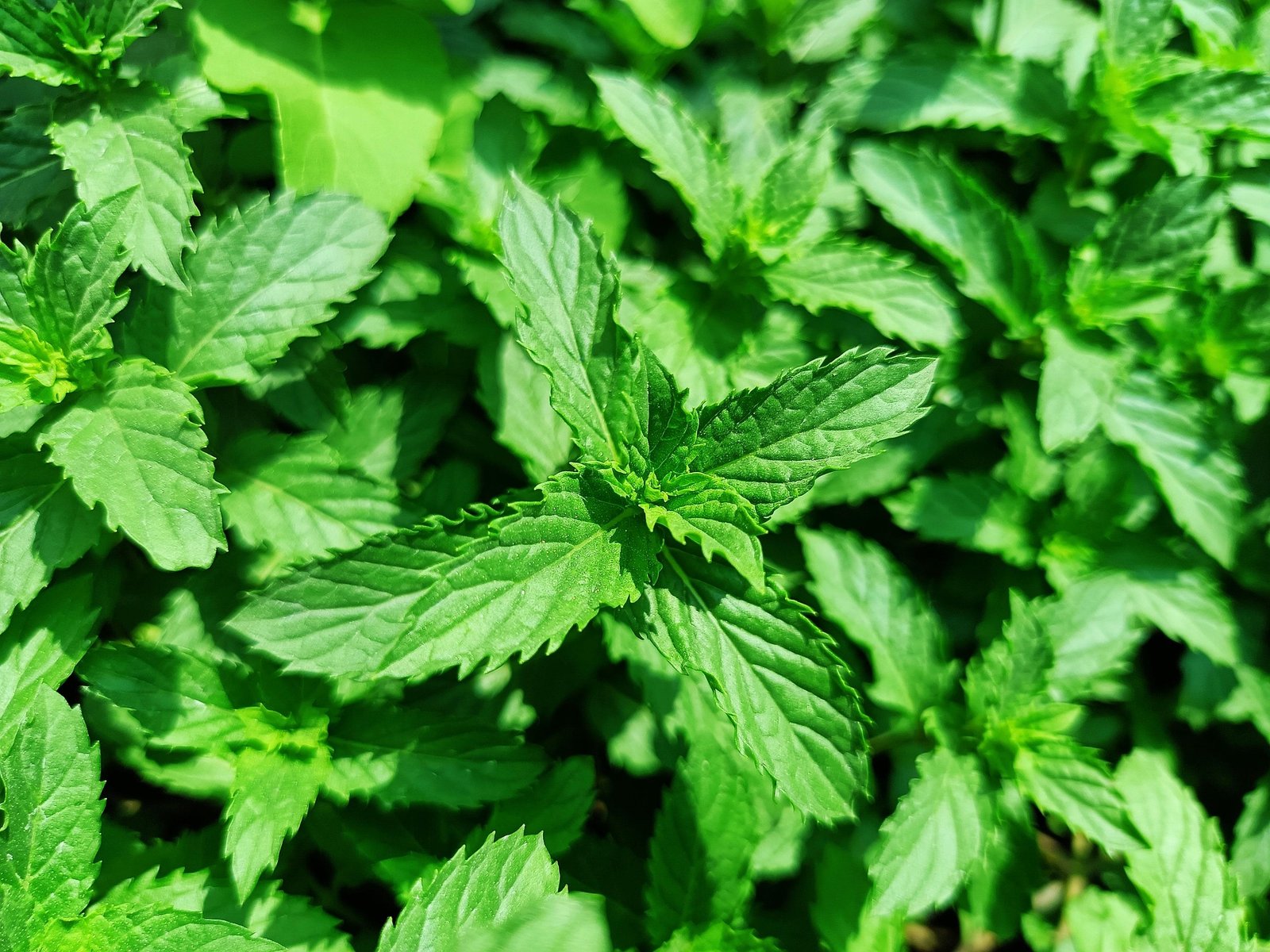
Spearmint tea is a naturally caffeine-free herbal infusion made from the leaves of Mentha spicata. Unlike peppermint, which contains higher amounts of menthol, spearmint has a milder, sweeter flavor due to its higher carvone content. It has been enjoyed for centuries in traditional herbal medicine and is now being studied for its potential effects on hormone balance, antioxidant activity, digestion, and overall wellness.Many spearmint tea benefits discussed online are based on laboratory research, animal studies, or relatively small human clinical trials. While the results are promising in some areas—particularly hormone-related research—more large, high-quality studies are still needed. For that reason, spearmint tea should be viewed as a healthy herbal beverage rather than a treatment for medical conditions.
1. Naturally Caffeine-Free
One of the biggest spearmint tea benefits is that it is naturally caffeine-free. Unlike green tea, black tea, or oolong tea, pure spearmint tea contains no caffeine unless it has been blended with traditional tea leaves. This makes it an excellent option for people who want a warm beverage without the stimulating effects of caffeine.Because it contains no caffeine, spearmint tea can be enjoyed in the morning, afternoon, or evening. Many people also choose it as a relaxing alternative to coffee or traditional tea later in the day.
2. Rich in Antioxidants
Spearmint contains naturally occurring plant compounds, including rosmarinic acid, flavonoids, and phenolic compounds, which have antioxidant activity. Antioxidants help protect cells from oxidative stress caused by free radicals. Laboratory research suggests these compounds may contribute to many of the biological effects that researchers continue to investigate.However, antioxidant activity measured in laboratory studies should not automatically be interpreted as proof that drinking spearmint tea prevents disease in humans. Although spearmint provides beneficial plant compounds, more human clinical research is needed to confirm many of the proposed health benefits.
3. May Help Support Hormone Balance
One of the most widely discussed spearmint tea benefits is its potential effect on hormone balance in women. Small human clinical studies involving women with hirsutism and polycystic ovary syndrome (PCOS) found that drinking spearmint tea twice daily was associated with reductions in free testosterone and changes in several reproductive hormones. However, while hormone levels changed, improvements in objective symptoms such as excessive hair growth were less clear over the short study periods. Larger and longer clinical trials are still needed before firm conclusions can be made.
4. May Help Women With PCOS
Researchers have shown particular interest in spearmint tea for women with polycystic ovary syndrome (PCOS) because elevated androgen levels are common in this condition. Early randomized controlled trials suggest that regular spearmint tea consumption may help lower free and total testosterone levels. However, spearmint tea should not be viewed as a treatment for PCOS or as a replacement for medical care. Instead, it may be considered a complementary dietary option while further research continues.
5. May Support Digestive Comfort
Spearmint has traditionally been used to support digestion and relieve occasional digestive discomfort. Laboratory studies suggest that compounds found in spearmint may have mild antispasmodic effects on the digestive tract, and the herb has a long history of traditional use for bloating and indigestion. However, high-quality clinical studies specifically evaluating spearmint tea for digestive symptoms are still limited.
For this reason, spearmint tea should be viewed as a pleasant herbal beverage that may support digestive comfort rather than a proven treatment for digestive disorders.
6. May Have Mild Antimicrobial Properties
Spearmint contains essential oils and plant compounds that have shown antimicrobial activity in laboratory studies against certain bacteria and fungi. Researchers believe compounds such as carvone, rosmarinic acid, and various flavonoids contribute to these effects. However, laboratory findings do not demonstrate that drinking spearmint tea prevents or treats infections in humans. More clinical research is needed before any therapeutic claims can be made.
7. May Help Freshen Breath
Spearmint has long been used in chewing gum, toothpaste, mouthwash, and breath fresheners because of its pleasant aroma and refreshing taste. Its essential oils, particularly carvone, contribute to its characteristic flavor, while laboratory studies have also demonstrated antimicrobial activity against certain oral microorganisms. However, drinking spearmint tea should not be considered a substitute for regular brushing, flossing, or professional dental care.
8. May Support Cognitive Function
Researchers have explored whether spearmint and its bioactive compounds may influence memory and cognitive performance. Some studies using concentrated spearmint extracts have reported improvements in certain aspects of attention and working memory. However, these studies used standardized extracts rather than ordinary cups of spearmint tea, so the findings cannot be directly applied to the tea itself. More high-quality human research is needed before cognitive benefits can be attributed to spearmint tea.
9. Easy to Enjoy Hot or Cold
One of the most practical spearmint tea benefits is its versatility. Spearmint tea can be enjoyed as a traditional hot herbal infusion or chilled and served over ice. Its naturally sweet, refreshing flavor pairs well with ingredients such as lemon, honey, or fresh mint leaves. Because it is naturally caffeine-free, it can be enjoyed throughout the day according to your preference.
10. A Refreshing Alternative to Sugary Drinks
Replacing sugar-sweetened beverages with unsweetened herbal tea can help reduce added sugar intake. Spearmint tea provides a naturally refreshing flavor without calories from added sugar when consumed plain. While it should not be viewed as a weight-loss drink, choosing unsweetened spearmint tea instead of soft drinks or other sweetened beverages can support an overall healthy dietary pattern.
How to Make Spearmint Tea
One of the most practical spearmint tea benefits is how simple this herbal infusion is to prepare at home. Pure spearmint tea is naturally caffeine-free and can be enjoyed on its own or with a small amount of honey or lemon if desired.
Step 1: Heat the Water
Bring fresh water to about 195–205°F (90–96°C). Spearmint leaves infuse well with hot water without requiring a rolling boil, helping preserve their delicate aroma.
Step 2: Add the Spearmint
Use about 1 teaspoon of dried spearmint leaves (or several fresh leaves) for each 8-ounce (240 ml) cup of water. If using a tea bag, one tea bag per cup is usually sufficient. Always follow the package instructions, as blends can vary in strength.
Step 3: Let the Spearmint Steep
Pour the hot water over the spearmint leaves, cover the cup or teapot, and allow the tea to steep for about 5 to 7 minutes. Covering the tea while it steeps helps retain the aromatic essential oils that contribute to spearmint's characteristic flavor. If you prefer a stronger infusion, you can steep it slightly longer, although a milder flavor is often achieved within the first few minutes.
Step 4: Strain the Tea
Remove the tea bag or lift out the infuser once the tea has reached your preferred strength. If you brewed loose spearmint leaves directly in the cup or teapot, pour the tea through a fine-mesh strainer. Fresh spearmint leaves can also be used and are prepared in the same way.
Step 5: Add Optional Flavor
Spearmint tea has a naturally sweet, refreshing flavor and is often enjoyed plain. If desired, you can add a small amount of honey, a slice of lemon, or a little fresh ginger. These additions complement the tea without overpowering its delicate mint flavor.
Step 6: Enjoy Your Spearmint Tea
Once the spearmint has finished steeping, your tea is ready to enjoy. Many people prefer it plain to appreciate its naturally sweet, refreshing flavor, while others add a small amount of honey or a slice of lemon. Spearmint tea can also be chilled and served over ice as a refreshing caffeine-free drink during warmer months.
How Much Spearmint Tea Should You Drink?
There is no officially established daily amount of spearmint tea for general health. In clinical studies investigating hormone-related effects, participants commonly drank two cups per day for several weeks. However, these study protocols should not be interpreted as recommendations for everyone.
For most healthy adults, enjoying one to three cups per day as part of a balanced diet is generally considered reasonable. If you are pregnant, breastfeeding, have liver or kidney disease, or take prescription medications, consult your healthcare professional before drinking spearmint tea regularly.
Can You Drink Spearmint Tea Every Day?
People interested in spearmint tea benefits often wonder whether spearmint tea can be enjoyed every day. However, these research protocols should not be interpreted as a recommended daily intake for everyone. There is no officially established amount of spearmint tea that people should drink each day.
For most people, moderate consumption as part of a balanced diet is a sensible approach. If you are pregnant, breastfeeding, have liver or kidney disease, or take prescription medications, it is advisable to speak with your healthcare professional before drinking spearmint tea regularly.
What Is the Best Time to Drink Spearmint Tea?
When considering spearmint tea benefits, there is no scientifically established best time to drink spearmint tea. Because it is naturally caffeine-free, it can be enjoyed in the morning, afternoon, or evening without contributing caffeine to your daily intake.
Some people prefer spearmint tea after meals because of its traditional association with digestive comfort, while others enjoy it in the evening as a warm caffeine-free beverage.
If you are drinking spearmint tea for a specific health reason discussed with your healthcare professional, follow their guidance rather than relying on timing alone.
Can You Drink Spearmint Tea Before Bed?
Yes. Because pure spearmint tea is naturally caffeine-free, it can be enjoyed in the evening without adding caffeine to your diet. Many people include it in a relaxing bedtime routine simply because it provides a warm, soothing beverage. However, there is no strong clinical evidence that spearmint tea itself improves sleep quality or treats insomnia. Its main advantage before bed is that it replaces caffeinated drinks rather than acting as a proven sleep aid.
Spearmint Tea vs. Peppermint Tea
Although both belong to the mint family, spearmint (Mentha spicata) and peppermint (Mentha × piperita) differ in both flavor and chemical composition. Spearmint contains more carvone, giving it a sweeter, milder taste, while peppermint contains much higher levels of menthol, producing a stronger cooling sensation.Research also differs between the two herbs.
Peppermint has been studied more extensively for digestive symptoms, particularly in the form of peppermint oil, whereas spearmint has attracted research interest for its possible effects on hormone-related conditions such as PCOS and hirsutism. Neither tea is universally "better"—the choice depends on your taste preferences and the reason you are drinking it.
Spearmint Tea vs. Green Tea
Spearmint tea and green tea differ in several important ways. Spearmint tea is an herbal infusion made from Mentha spicata and is naturally caffeine-free, while green tea comes from Camellia sinensis and naturally contains caffeine. Green tea is particularly rich in catechins such as EGCG, whereas spearmint contains compounds including rosmarinic acid and carvone.
Green tea has been studied much more extensively in humans, while research on spearmint tea has focused on areas such as hormone balance and antioxidant activity. Neither beverage is universally better—the right choice depends on whether you prefer a caffeinated traditional tea or a caffeine-free herbal infusion.
Spearmint Tea vs. Chamomile Tea
Spearmint and chamomile are both naturally caffeine-free herbal teas, but they are known for different characteristics. Chamomile has traditionally been used as a calming evening beverage and has been researched for relaxation and sleep-related effects, while spearmint has attracted attention for its possible hormone-related benefits and refreshing flavor.Flavor is another key difference. Spearmint has a fresh, mildly sweet mint taste, whereas chamomile offers a gentle floral flavor. Both can fit into a healthy tea routine, and the choice often comes down to your taste preferences and the reason you want to drink herbal tea.
Can Spearmint Tea Help With Facial Hair or Hirsutism?
This is one of the more interesting areas of research on spearmint tea. A randomized controlled trial involving women with hirsutism associated with PCOS found that drinking spearmint tea twice daily for 30 days significantly reduced free and total testosterone compared with the control group. Participants also reported an improvement in their perception of excessive hair growth.However, researchers did not find a statistically significant improvement in objectively measured hirsutism during the short 30-day study. An earlier five-day study also found reduced free testosterone, but it was very small. Therefore, spearmint tea should not be described as a proven treatment for facial hair or hirsutism.
How Long Does Spearmint Tea Take to Affect Hormones?
There is no established timeframe that applies to everyone. In the small studies available, hormonal changes were detected after periods ranging from five days to 30 days while participants drank spearmint tea twice daily. The 30-day randomized trial found changes in androgen levels, but this was not long enough to demonstrate a clear objective reduction in hair growth.This distinction is important: changes in laboratory hormone measurements do not necessarily mean that visible symptoms will improve within the same period. More extensive and longer-term trials are needed before we can say how quickly—or reliably—spearmint tea produces clinically meaningful hormone-related effects.
Can Spearmint Tea Help With Acne?
Spearmint tea is often discussed online as a natural option for hormonal acne, largely because small human studies have found that drinking spearmint tea may reduce certain androgen levels in women with hirsutism or PCOS. Since androgens can influence sebum production, researchers have proposed a possible connection with acne. However, there are currently no good clinical trials showing that drinking spearmint tea actually treats or clears acne.A 2024 randomized trial involving spearmint and acne should not be confused with evidence for drinking the tea: that study tested a topical preparation containing spearmint essential oil combined with barberry root extract, not spearmint tea. Therefore, spearmint tea should not be presented as a proven acne treatment.
Does Spearmint Tea Lower Testosterone?
Small human studies suggest that spearmint tea may affect androgen levels in women. In a 30-day randomized controlled trial, women with hirsutism drank spearmint tea twice daily and experienced significant reductions in both free and total testosterone. An earlier five-day study also found a significant reduction in free testosterone.However, these studies involved relatively small groups of women with hirsutism or PCOS. They do not establish that spearmint tea lowers testosterone in everyone, and we should not extrapolate the findings to healthy men or other populations without supporting research. More extensive clinical trials are needed.
Possible Side Effects of Spearmint Tea
Spearmint tea appears to be well tolerated by many adults when consumed in moderate amounts. A systematic review of herbal medicines categorized reported adverse effects associated with Mentha spicata as generally minor, while a 90-day human trial of a standardized spearmint extract found no significant treatment-related safety problems. However, concentrated extracts and essential oils are not equivalent to an ordinary cup of spearmint tea.
Research on long-term consumption of large amounts of spearmint tea is still limited. Animal studies using high concentrations have raised concerns about dose-dependent effects, which is another reason not to assume that drinking more tea necessarily provides greater benefits.
Is Spearmint Tea Safe During Pregnancy?
There is not enough good-quality human evidence to establish the safety of drinking spearmint tea regularly during pregnancy. This is especially relevant because small clinical studies in nonpregnant women suggest that spearmint tea can influence androgen and reproductive hormone levels. That does not prove that spearmint is harmful during pregnancy, but it does mean we should avoid claiming that regular medicinal use is proven safe.
If you are pregnant or breastfeeding, it is best to ask your healthcare professional before drinking spearmint tea regularly or using concentrated spearmint extracts. This caution is particularly important for supplements and essential oils, which can be much more concentrated than tea.
Can Spearmint Tea Interact With Medications?
There is not enough good-quality human research to clearly define specific interactions between ordinary spearmint tea and prescription medications. Reviews of Mentha spicata note that interaction and safety evidence remains limited, even though spearmint has been studied extensively in laboratory and traditional-use contexts.
Because small human studies suggest that spearmint tea can influence androgen and other hormone levels in some women, people taking medication for hormonal conditions should be particularly cautious about using large amounts regularly.
If you take prescription medication and want to drink spearmint tea every day for a specific health purpose, it is sensible to discuss it with your doctor or pharmacist.
Can Spearmint Tea Affect Fertility?
There is not enough reliable human evidence to conclude that spearmint tea improves or reduces fertility. Small studies in women have demonstrated changes in hormone levels after drinking spearmint tea, but these trials were designed primarily to investigate hirsutism and androgen levels—not fertility or pregnancy outcomes.
For that reason, we should not describe spearmint tea as either a fertility aid or a contraceptive. People who are trying to conceive and plan to consume spearmint regularly for its hormone-related effects should discuss this with a healthcare professional.
Does Spearmint Tea Lower Testosterone in Men?
There is not enough human clinical evidence to conclude that spearmint tea lowers testosterone in men. The frequently cited human studies involved women with hirsutism or PCOS, not healthy men. Those studies found reductions in free testosterone—and in one trial total testosterone—but their findings should not be generalized to men.
Animal studies have investigated male reproductive effects, but they cannot establish what happens in humans drinking ordinary spearmint tea. One rat study found no statistically significant effect on fertility at the tested doses, although the researchers noted that high levels of extract might warrant caution.
Can Men Drink Spearmint Tea?
Yes, men can drink spearmint tea as a beverage. There is currently no good evidence showing that moderate consumption of ordinary spearmint tea causes clinically meaningful testosterone reduction or fertility problems in healthy men. A broader review of Mentha spicata also notes that much of the evidence for its biological effects comes from laboratory and animal research and that additional human clinical studies are needed.
The important distinction is tea versus concentrated extracts. A 90-day human trial of a standardized spearmint extract found it was generally well tolerated and did not significantly affect several measured safety parameters, although that study was not designed specifically to answer questions about testosterone in healthy men.
Can Spearmint Tea Help With Joint Pain?
Spearmint has also been studied in people with knee osteoarthritis. In one randomized double-blind trial, 62 participants were assigned to drink either a specially cultivated high-rosmarinic-acid spearmint tea or commercially available spearmint tea twice daily for 16 weeks.
The researchers evaluated pain, physical function, and quality of life.The results are interesting, but they should not be generalized to every cup of ordinary spearmint tea. The study specifically investigated a high-rosmarinic-acid variety, and more research is needed before spearmint tea can be recommended for joint pain or arthritis.
Does Spearmint Tea Contain Rosmarinic Acid?
Yes. Rosmarinic acid is one of the major phenolic compounds found in Mentha spicata infusions. Research comparing different spearmint varieties found measurable rosmarinic acid in brewed tea, although the amount varied considerably depending on the plant material and growing or harvesting conditions.Rosmarinic acid has antioxidant and other biological activities in laboratory research, but its presence does not mean that an ordinary cup of spearmint tea can prevent or treat disease.
Can Spearmint Tea Improve Memory or Focus?
There is some human research suggesting potential cognitive effects, but an important distinction is necessary. A randomized controlled trial involving 142 healthy adults found improvements in certain measures of sustained and complex attention after 90 days of a standardized spearmint extract containing rosmarinic acid.
The researchers did not find significant improvements in sleep, mood, or quality of life.Because this research used 900 mg of a proprietary concentrated extract rather than ordinary spearmint tea, we should not claim that drinking a cup of spearmint tea improves memory or concentration. It remains an interesting area for further research.
Is Spearmint Tea Safe for the Liver?
There is not enough human research specifically on ordinary spearmint tea to claim that it protects or improves liver health. Reviews of Mentha spicata describe potentially hepatoprotective effects in laboratory and animal studies, but emphasize that more human clinical research is needed.A 90-day randomized human trial of a standardized dried spearmint extract found no clinically significant treatment-related changes in the safety measures studied. However, a concentrated standardized extract is not the same as routinely drinking spearmint tea, so the findings should not be generalized too far.
Is Spearmint Tea Safe for the Kidneys?
Evidence specifically examining spearmint tea and kidney health in humans is also limited. Animal toxicology studies have produced mixed findings depending on the preparation and dose, and reviews emphasize that longer-term safety research is still needed.
For healthy adults, this does not establish that moderate spearmint tea consumption damages the kidneys. However, people with existing kidney disease should speak with a healthcare professional before using large amounts of spearmint tea or concentrated spearmint products regularly.
Does Spearmint Tea Help With Bloating?
Spearmint has a long history of traditional use for digestive complaints, including gas and bloating. Reviews of Mentha spicata describe traditional gastrointestinal uses and laboratory evidence for effects that could potentially contribute to digestive comfort. Human clinical evidence specifically showing that ordinary spearmint tea relieves bloating, however, remains limited.A cup of spearmint tea can therefore be enjoyed after a meal as a refreshing herbal drink, but persistent bloating or abdominal discomfort should not be treated with spearmint tea alone.
Can Spearmint Tea Affect Iron Absorption?
Spearmint contains polyphenols, so researchers have investigated whether it can influence iron absorption. Evidence specifically for spearmint in humans is limited. An animal study found that Mentha spicata tea reduced iron absorption in a dose-dependent manner, although it did not significantly change several blood iron markers during the study. These animal findings cannot tell us exactly what happens when people drink ordinary amounts of spearmint tea.
More broadly, human research has shown that several polyphenol-rich herbal teas can reduce absorption of non-heme iron when consumed with a meal, although spearmint itself was not included in that particular human trial. If you have iron deficiency or anemia, it may therefore be sensible to avoid routinely drinking large amounts of spearmint tea with iron-rich meals and follow your healthcare professional's advice.
Is Spearmint Tea Hydrating?
Yes. Spearmint tea is primarily water and can contribute to your daily fluid intake. Because pure spearmint tea is naturally caffeine-free and sugar-free when nothing is added, it can provide a flavorful alternative to plain water or sweetened beverages.There is no evidence that spearmint tea hydrates you better than water. Its practical advantage is simply that its refreshing flavor may provide more variety while contributing to normal fluid intake.
Is Spearmint Tea Safe for Long-Term Daily Use?
This is an area where we should be careful. Spearmint has a long history of use as a food and beverage ingredient, and a 90-day human trial of a standardized spearmint extract found it was well tolerated at the doses studied. However, that trial tested a standardized extract, not long-term daily consumption of ordinary spearmint tea.
Reviews also note that chronic and reproductive safety data remain incomplete, particularly for high-dose preparations. For ordinary enjoyment, moderate consumption is therefore more sensible than assuming that increasingly large amounts will provide greater benefits.?