Why Herbal Tea for Sleep Can Be Part of a Bedtime Routine
Herbal tea for sleep is a popular caffeine-free choice for an evening routine. Many herbal teas, including chamomile, lavender, and lemon balm, have a long history of traditional use and are enjoyed for their soothing aromas and comforting flavors. Choosing a warm herbal tea as part of your bedtime routine can also be a simple way to slow down and relax before going to bed.
1. Chamomile Tea
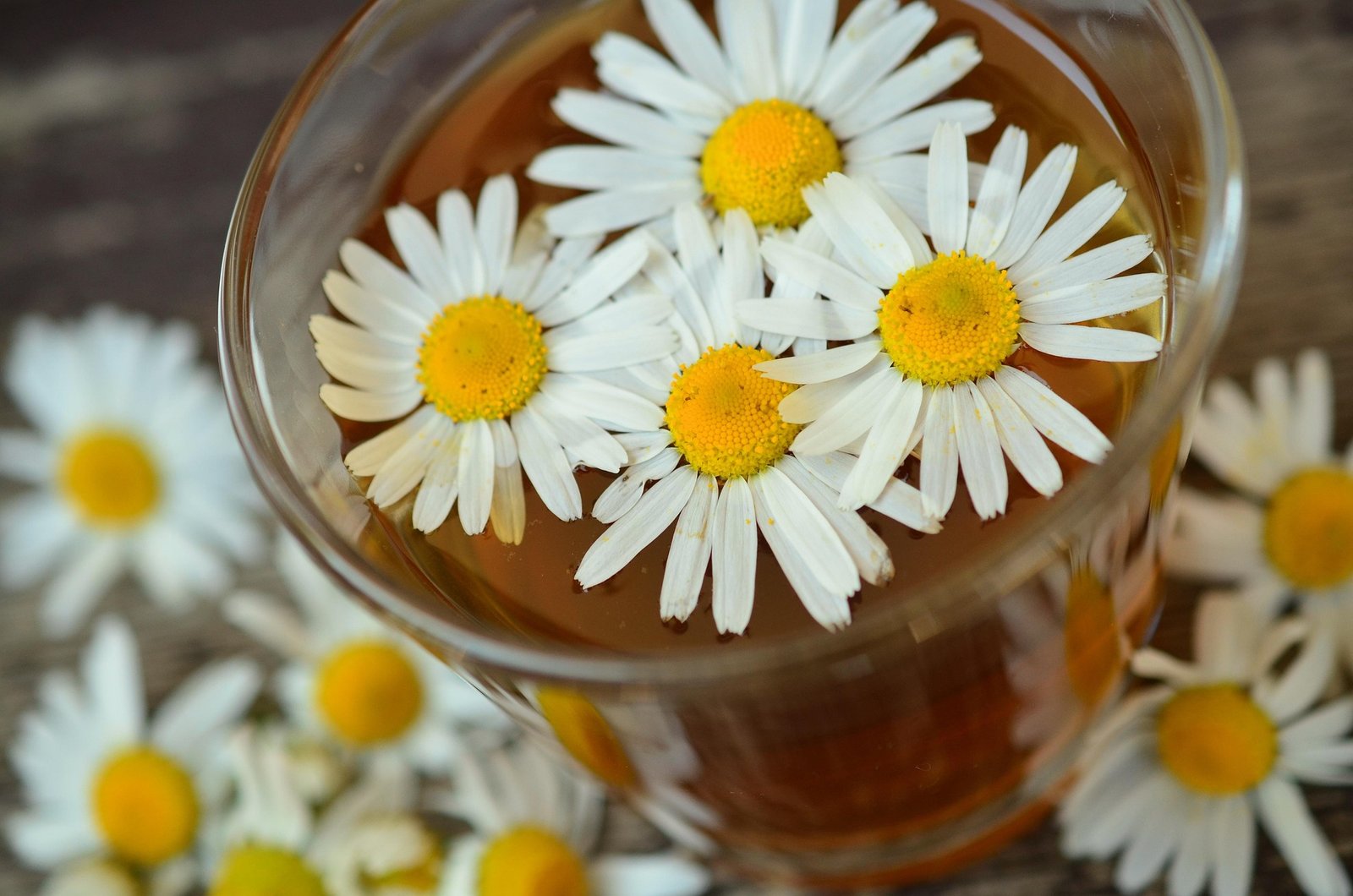
Chamomile tea is one of the most popular caffeine-free herbal infusions enjoyed in the evening. Chamomile naturally contains plant compounds, including apigenin, that have been studied scientifically. Research has explored chamomile in relation to sleep and relaxation, but findings can vary depending on the preparation, amount, and study design. Many people simply enjoy chamomile tea for its mild floral flavor as part of a relaxing evening routine..
Learn More About Chamomile Tea2. Lavender Tea
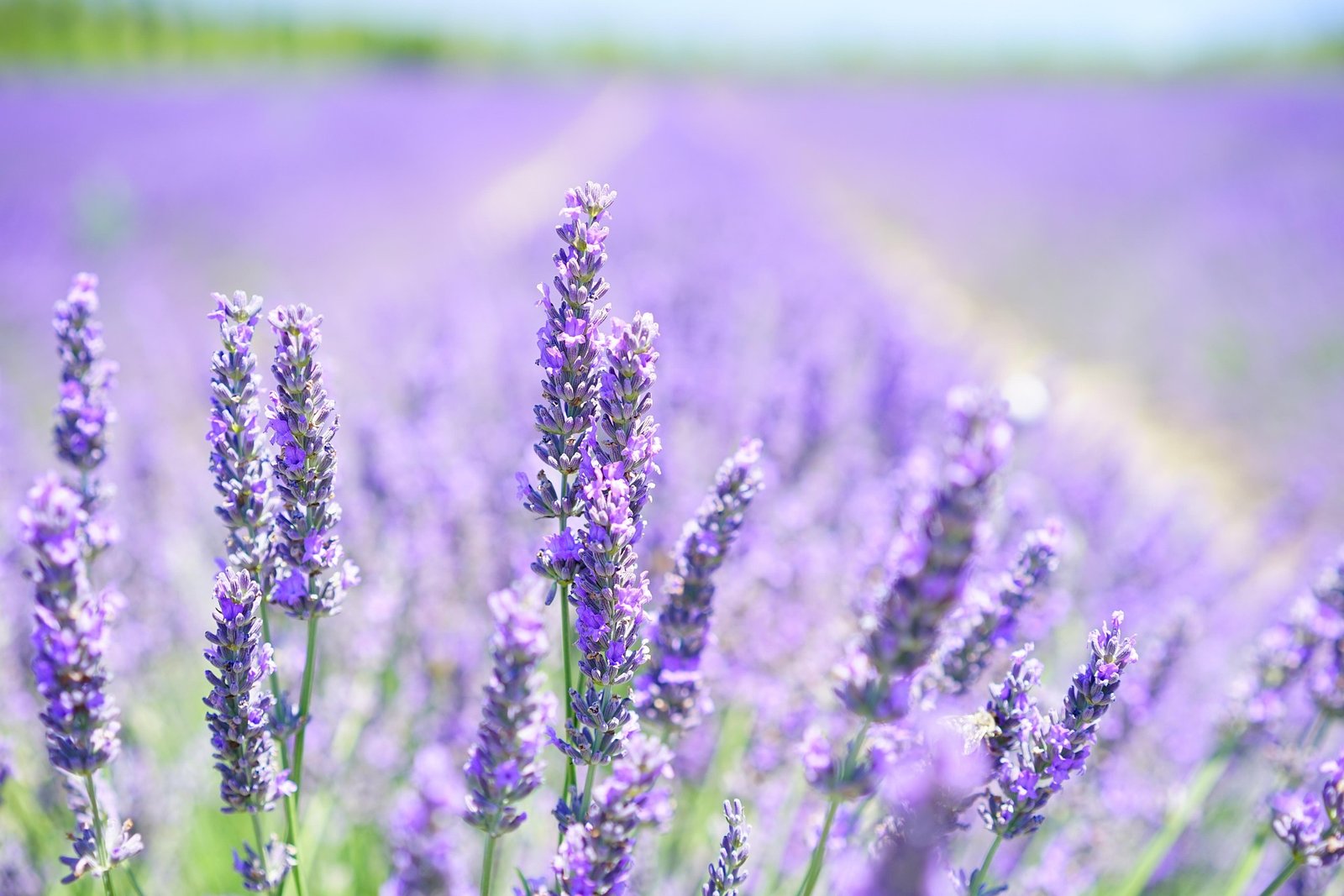
Lavender tea is a caffeine-free herbal infusion known for its distinctive floral aroma and flavor. Lavender has a long history of traditional use in evening and relaxation routines, and its aromatic compounds have also been studied scientifically. However, research findings vary, and drinking lavender tea should not be presented as a treatment for stress or sleep problems. Many people simply enjoy a warm cup of lavender tea as part of a calming bedtime routine.
3. Lemon Balm Tea

Lemon balm tea is a caffeine-free herbal infusion made from the leaves of Melissa officinalis. It has a mild lemony aroma and a long history of traditional use, particularly as an evening beverage. Lemon balm and some of its naturally occurring compounds have also been studied in scientific research, including research related to relaxation and sleep. However, findings vary and should not be interpreted as proof that an ordinary cup of lemon balm tea treats stress or sleep problems. Many people simply enjoy it as part of a relaxing evening routine.
Learn More About Peppermint Tea4. Peppermint Tea
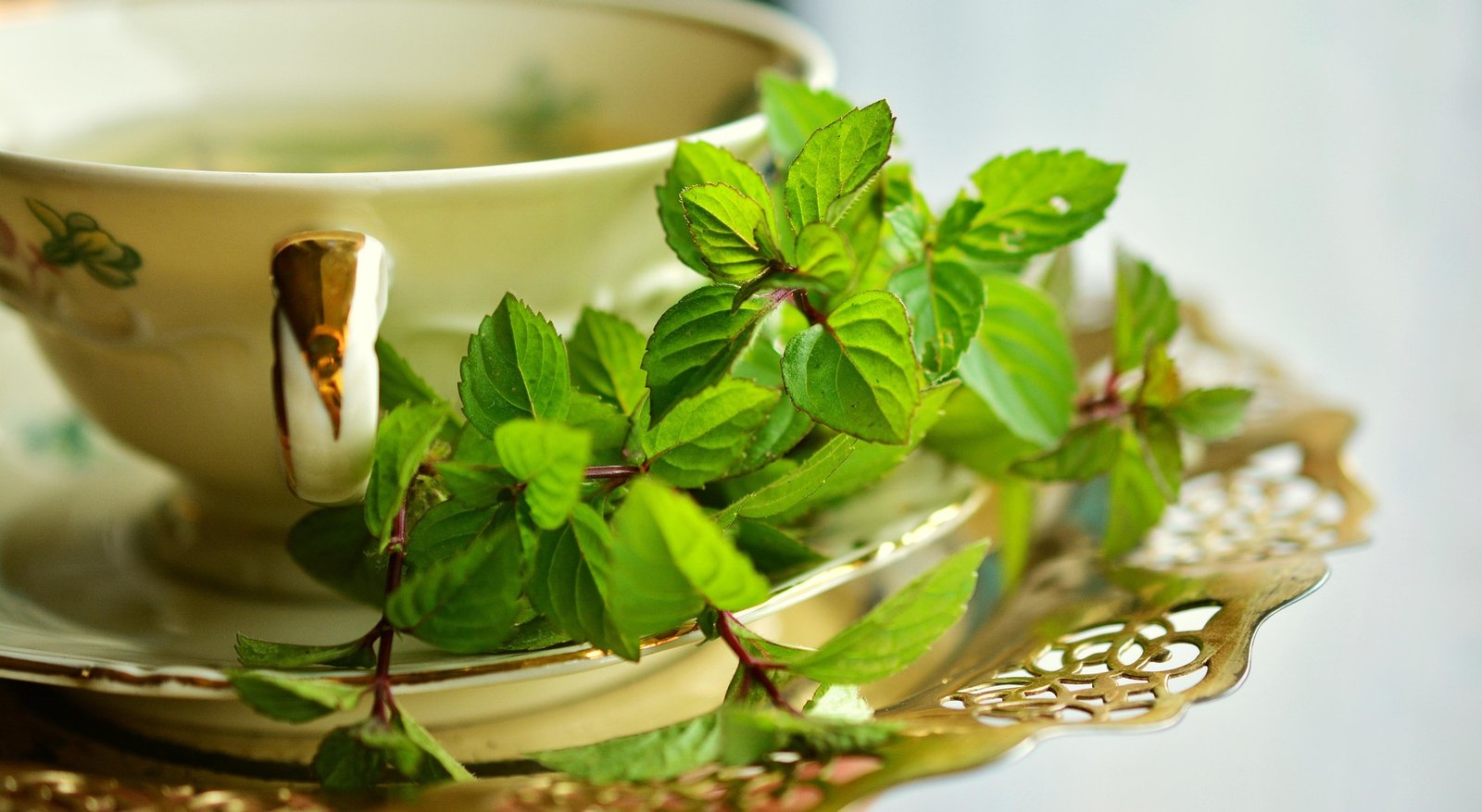
Peppermint tea is a naturally caffeine-free herbal infusion known for its fresh, cooling aroma and distinctive mint flavor. Peppermint has a long history of traditional use, particularly after meals, and its naturally occurring compounds have also been studied scientifically. However, research findings should not automatically be interpreted as evidence that an ordinary cup of peppermint tea treats digestive problems or improves sleep. Many people simply enjoy peppermint tea as a refreshing and comforting part of their evening routine.
5. Valerian Root Tea
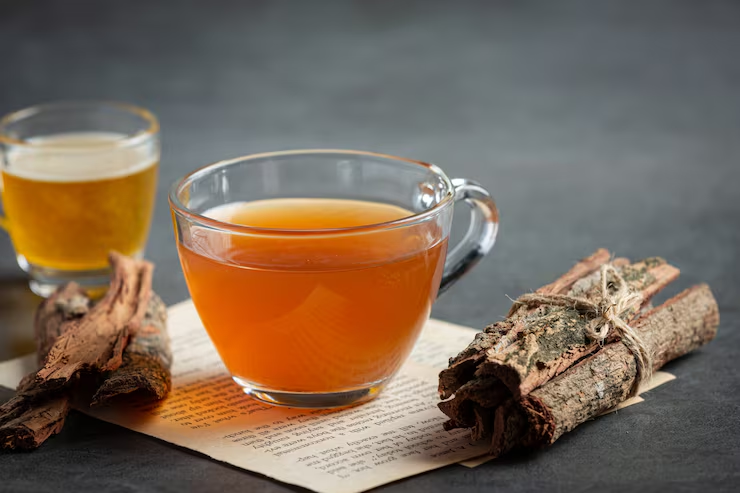
Valerian root tea is a caffeine-free herbal infusion made from the root of the valerian plant. Valerian has a long history of traditional use, particularly in evening preparations, and has also been investigated in scientific research related to sleep and relaxation. However, study results are mixed, and research involving valerian extracts or specific preparations should not automatically be interpreted as evidence that an ordinary cup of valerian tea improves sleep. Its distinctive earthy flavor makes it a unique herbal tea that some people enjoy as part of their evening routine.
6. Passionflower Tea
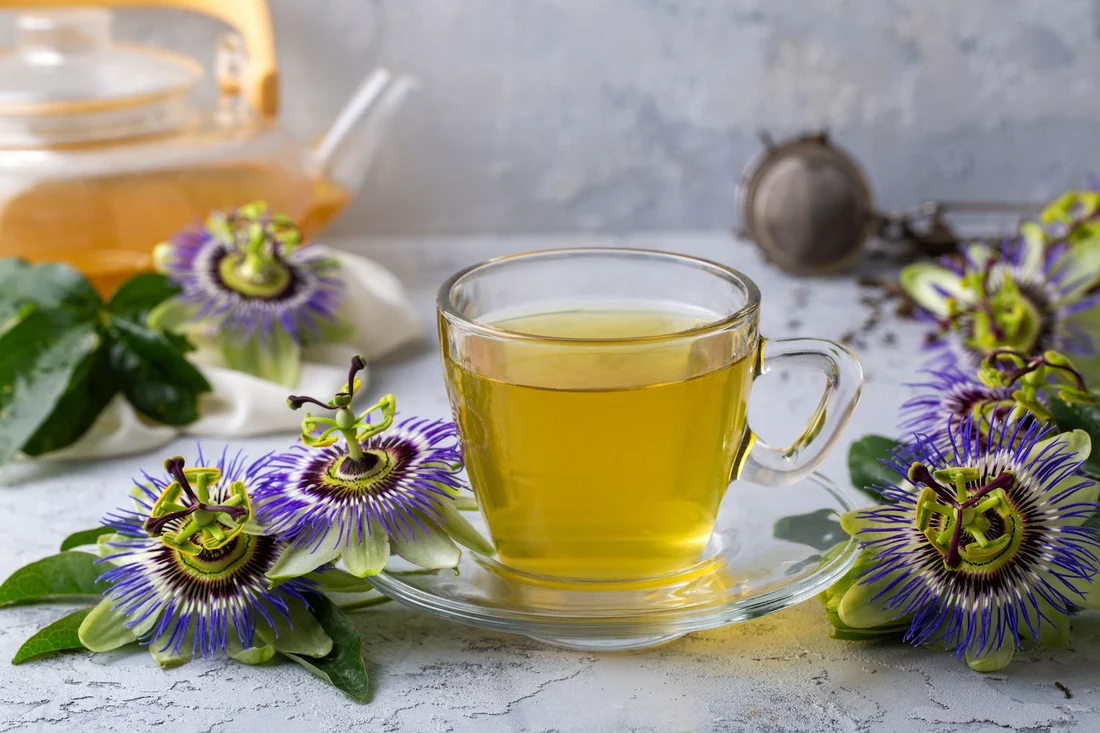
Passionflower tea is a caffeine-free herbal infusion traditionally enjoyed as part of evening and relaxation routines. Passionflower and some of its naturally occurring compounds have also been investigated in scientific research related to relaxation and sleep. However, the available evidence is limited, and findings from specific extracts or preparations should not automatically be interpreted as evidence that an ordinary cup of passionflower tea treats anxiety or improves sleep. Many people simply enjoy its mild herbal flavor as part of a calming evening routine.
7. Linden Flower Tea

Linden flower tea is a caffeine-free herbal infusion known for its delicate floral aroma and mild flavor. Linden flowers have a long history of traditional use, particularly in evening and relaxation routines. Some of their naturally occurring plant compounds have also been investigated scientifically, but this research should not be interpreted as evidence that an ordinary cup of linden flower tea treats stress or sleep problems. Many people simply enjoy it as a warm and comforting evening beverage.
8. Magnolia Bark Tea
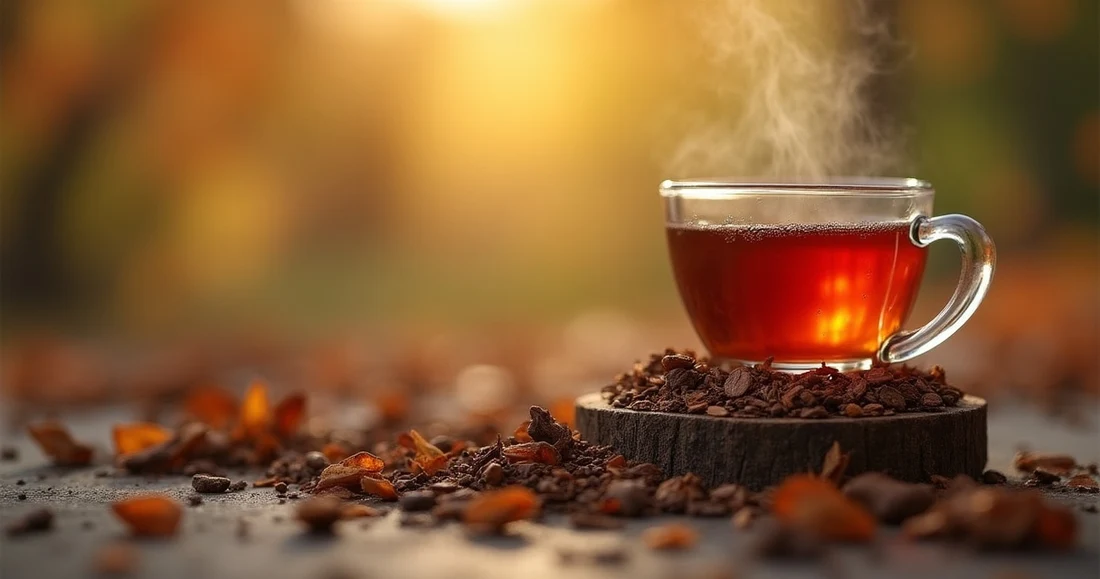
Magnolia bark tea is a caffeine-free herbal infusion with a long history of traditional use in East Asian herbal practices. Magnolia bark contains naturally occurring compounds such as honokiol and magnolol that have been investigated scientifically. However, much of the research involves extracts, isolated compounds, or other preparations rather than ordinary tea. These findings should not automatically be interpreted as evidence that drinking magnolia bark tea reduces stress or improves sleep.
9. Ashwagandha Tea
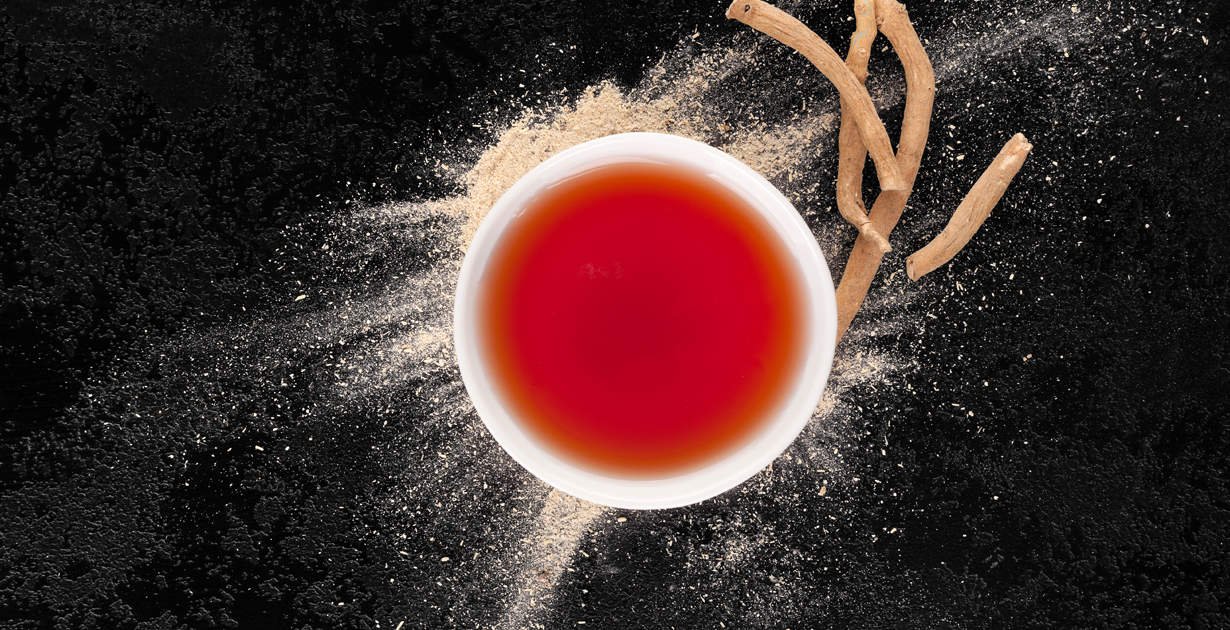
Ashwagandha tea is an herbal beverage made from the root or other parts of the Withania somnifera plant, which has a long history of traditional use in Ayurveda. Ashwagandha has been investigated in research related to stress, relaxation, and sleep. However, many studies involve standardized extracts or specific preparations rather than ordinary ashwagandha tea, so their findings should not automatically be interpreted as evidence that drinking the tea reduces stress or improves sleep.
10. Rooibos Tea
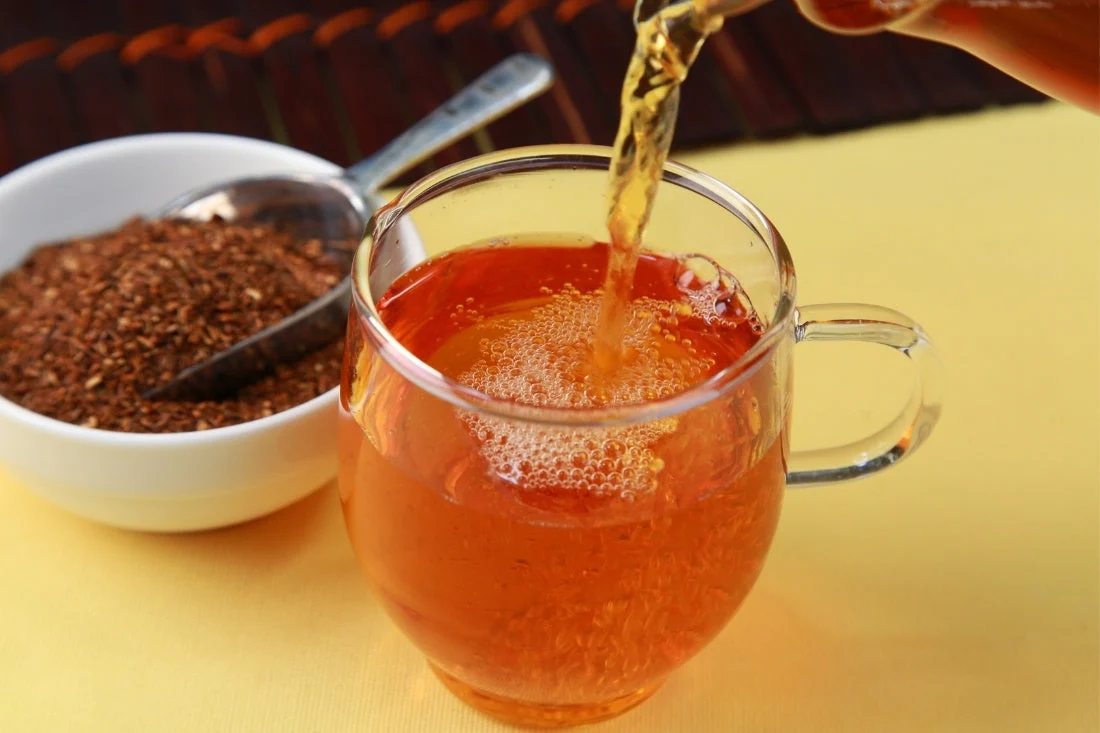
Rooibos tea is a naturally caffeine-free herbal infusion made from the Aspalathus linearis plant, which is native to South Africa. It has a smooth, slightly sweet and earthy flavor and naturally contains various plant compounds, including polyphenols. Rooibos can be enjoyed at any time of day and is a popular caffeine-free choice for an evening tea routine.
Final Thoughts
Choosing a caffeine-free herbal tea for sleep can be an enjoyable part of a relaxing evening routine. Chamomile, lavender, lemon balm, valerian root, rooibos, and other herbal infusions offer different flavors, aromas, and traditions of use. Individual experiences vary, and research on extracts or specific preparations should not automatically be interpreted as evidence that ordinary herbal tea improves sleep. Explore different varieties to discover which flavors you most enjoy in the evening.
Frequently Asked Questions
Are herbal tea good before bed?
Many herbal teas are naturally caffeine-free, making them a popular choice for an evening routine. Whether a particular tea affects relaxation or sleep can vary, and evidence differs depending on the herb and preparation.
Which herbal tea is best for sleep?
There is no single herbal tea that is proven to be best for everyone. Chamomile, lavender, lemon balm, valerian root, passionflower, and other herbal teas are commonly associated with evening routines, but research findings vary and individual experiences differ.
Can I drink herbal tea every night?
Many herbal teas can be enjoyed regularly, but this depends on the ingredients, amount, and individual circumstances. Some herbs may interact with medications or may not be suitable during pregnancy, breastfeeding, or for certain health conditions. Check the ingredients and seek professional medical advice when appropriate.
Does herbal tea contain caffeine?
Many herbal teas are naturally caffeine-free because they are not made from the Camellia sinensis tea plant. However, some herbal blends may contain green tea, black tea, white tea, or other caffeine-containing ingredients, so it is always worth checking the label.