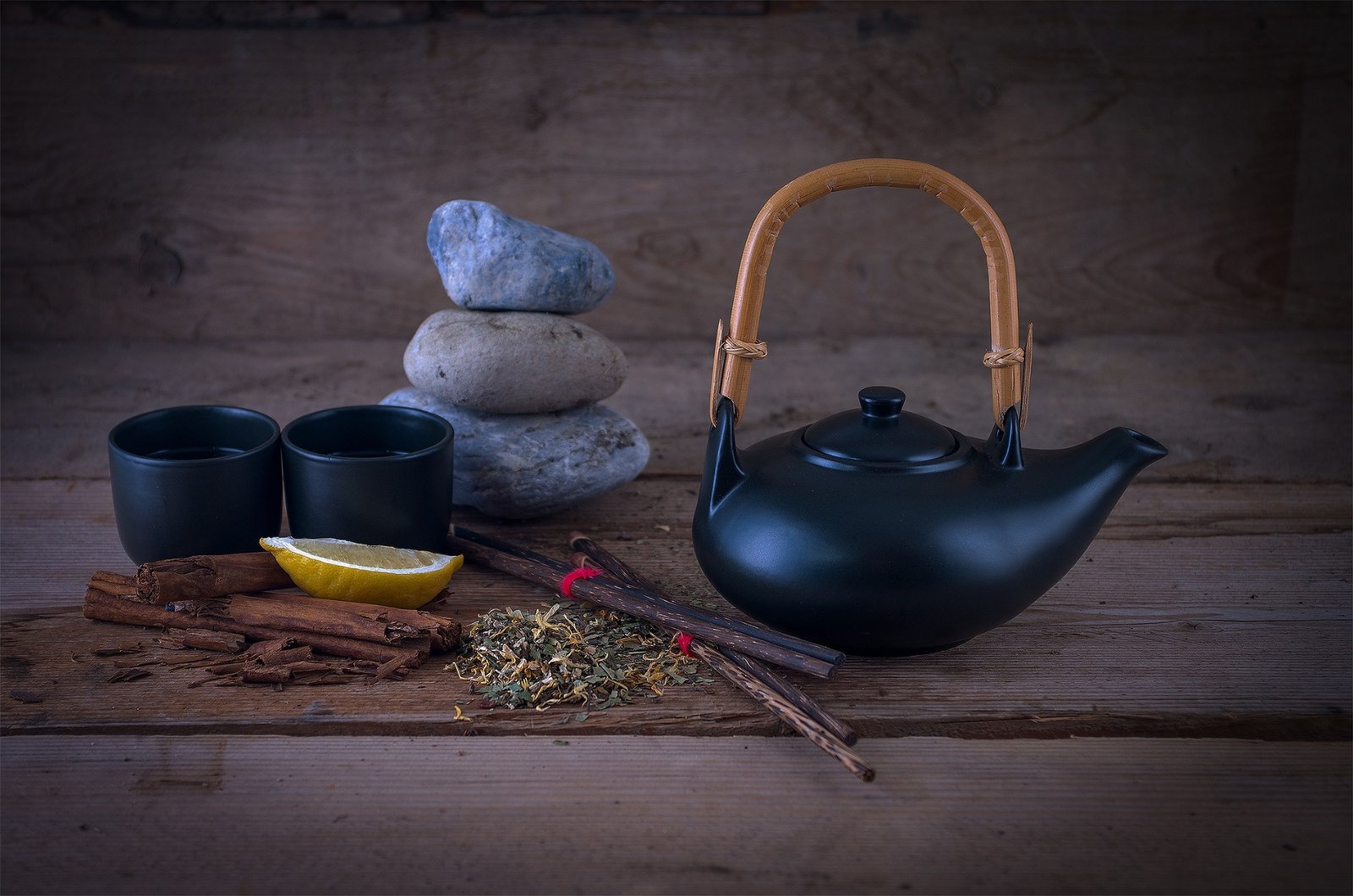
Choosing the best teapot for loose leaf tea can make everyday brewing easier and more enjoyable. If you've made the switch from tea bags to loose leaf tea, the right teapot gives the leaves enough space to expand while making steeping and cleanup more convenient. But to really get the most out of your leaves, you need the right teapot.
Not every teapot is designed with loose-leaf brewing in mind. The material, infuser size, capacity, heat retention, and ease of cleaning can all influence which teapot is the best fit for your brewing style.
In this guide, we'll compare glass, ceramic, porcelain, cast iron, Yixing clay, and stainless steel teapots and explain what to look for before choosing one.
What Makes a Teapot Good for Loose Leaf Tea?
Loose tea leaves generally benefit from enough space to expand and circulate during steeping. A roomy basket infuser or an open teapot gives larger leaves more space than a small tea ball.
A good loose leaf teapot should have:
- A built-in infuser or strainer with a fine enough mesh to hold small leaf pieces
- Enough room inside the infuser for leaves to expand fully
- A material that suits your tea type (some materials retain heat and flavor differently)
- An easy-to-clean design, since loose leaf brewing leaves more residue than bags
Teapot Materials, Compared
1. Cast Iron Teapots
Cast iron teapots are known for their durability and excellent heat retention. Many modern cast iron teapots are enamel-lined on the inside, which prevents the tea from coming into direct contact with the iron and makes the pot easier to maintain.
They can work particularly well when you want to keep tea warm at the table, although their weight makes them less convenient than glass or porcelain for some everyday brewing situations.
It is also useful to distinguish between a traditional Japanese tetsubin, which is primarily designed for heating water, and the enamel-lined cast iron teapots commonly sold for brewing tea. The two are not necessarily the same thing.
2. Glass
Glass teapots are a favorite for visual brewers — you can watch the leaves unfurl and judge steep strength by color. They're neutral in flavor (no material to interfere with taste), easy to clean, and great for herbal or flowering teas. Heat retention is lower than cast iron, so they're best for shorter steeps or teas brewed at lower temperatures.
3. Ceramic and Porcelain
Ceramic and porcelain pots are the classic choice — elegant, widely available, and good at holding heat without being as heavy as cast iron. They work well across most tea types, making them a solid "one pot for everything" option, especially for beginners building a small collection.
4. Yixing Clay
Yixing teapots are traditional unglazed clay vessels associated especially with Chinese tea preparation. They are commonly used for teas such as oolong, pu-erh, and some black teas, often with multiple short infusions.
Because unglazed clay can retain aromas from repeated brewing, many tea enthusiasts prefer to dedicate a Yixing teapot to a particular tea or a closely related group of teas rather than switching frequently between very different flavors.
Yixing pots are generally small and are particularly well suited to people interested in traditional brewing methods. For beginners looking for one versatile everyday teapot, glass or glazed ceramic may be easier to maintain.
How to Choose the Best Teapot for Loose Leaf Tea
There is no single best teapot for every tea drinker. The right choice depends on the teas you brew most often, how much tea you prepare at once, and whether you prefer convenience or a more traditional brewing style. Use the table below as a practical starting point.
Choosing the Right Infuser Style
The infuser can be just as important as the teapot itself. Loose tea leaves generally benefit from enough space to expand and circulate during steeping, so the size and design of the infuser can affect how convenient the teapot is to use.
You can also explore different styles of tea ware and brewing equipment through the UK Tea & Infusions Association.
Basket Infusers
Basket infusers are one of the most practical choices for everyday loose-leaf brewing. Their larger size gives tea leaves more room to expand, and a fine mesh can help keep smaller particles out of your cup.
A removable basket also makes it easy to stop the infusion once the desired steeping time has been reached.
Tea Balls and Small Infusers
Tea balls and other small infusers are compact and inexpensive, but their limited space can restrict larger tea leaves as they expand.
They can still be convenient for finely cut teas or occasional brewing, but a roomy basket is generally more versatile if you regularly prepare loose-leaf tea.
Built-In Strainers
Some teapots have a built-in strainer near the spout rather than a removable infuser. This allows the leaves to steep freely inside the entire pot while the strainer helps prevent larger leaves from entering the cup.
This style is commonly found in teapots designed for multiple short infusions.
Which Infuser Is Best?
For most beginners, I would choose a large removable basket infuser. It combines plenty of room for the leaves with easy removal and straightforward cleaning.
For traditional brewing methods or repeated short infusions, a teapot with a built-in strainer — or a gaiwan — may be a better fit.
Caring for Your Teapot
Proper care can help your teapot stay clean and functional for years. The best cleaning method depends on the material, so always check the manufacturer's care instructions first.
Glass, Ceramic and Porcelain
For most glass, glazed ceramic, and porcelain teapots, rinse the pot after use and remove any remaining tea leaves. A soft sponge can help remove residue without scratching the surface.
If the manufacturer says the teapot is dishwasher-safe, you can use the dishwasher. Otherwise, gentle hand washing is the safer choice.
Cast Iron Teapots
Cast iron teapots require a little more attention. After brewing, empty the pot, rinse it according to the manufacturer's instructions, and allow it to dry thoroughly.
Avoid abrasive cleaning tools that could damage an enamel lining. Because construction and coatings vary between products, follow the specific cleaning instructions supplied with your teapot.
Yixing and Other Unglazed Clay Teapots
Unglazed clay teapots are usually treated differently from glazed teaware. They are commonly rinsed with clean water rather than washed with scented detergents, which may leave unwanted aromas on the porous clay.
Allow the pot to dry completely before storing it, preferably with the lid removed or slightly open so that moisture does not remain trapped inside.
Clean the Infuser Separately
Remove the basket or infuser after brewing and rinse away trapped tea particles. Fine mesh strainers may need occasional extra cleaning if small particles or mineral deposits begin to accumulate.
Watch for Mineral Buildup
If you live in an area with hard water, mineral deposits may gradually appear on suitable teapots and infusers. Follow the manufacturer's recommended descaling method rather than using aggressive cleaners that could damage the material.
A Simple Rule
When in doubt, follow the care instructions provided by the teapot manufacturer. Materials, glazes, coatings, and finishes vary, so a cleaning method that is appropriate for one teapot may not be suitable for another.
Damit vermeiden wir insbesondere das pauschale “Never put a cast iron teapot in the dishwasher” und geben trotzdem praktische Pflegehinweise.
Final Thoughts: Choosing the Best Teapot for Loose Leaf Tea
The best teapot for loose leaf tea depends on what you drink, how you prefer to brew, and how much convenience you want from your teaware.
For most beginners and everyday tea drinkers, a glazed ceramic, porcelain, or glass teapot with a large removable basket infuser is a practical and versatile choice. It gives loose leaves room to expand, is relatively easy to clean, and can be used with many different types of tea.
If heat retention is especially important, an enamel-lined cast iron teapot may be worth considering. Tea drinkers interested in traditional small-batch brewing may eventually prefer a Yixing clay teapot, gaiwan, or another specialized piece of teaware.
Before buying, consider capacity, infuser size, material, ease of cleaning, heat retention, and replacement parts rather than choosing a teapot based on appearance alone.
There is no single perfect teapot for everyone. The best choice is one that suits the teas you actually drink and makes preparing loose-leaf tea simple and enjoyable.
Once you've chosen your teapot, see our How to Brew Tea Properly guide for water temperatures, steeping times, and practical brewing tips.
One Response