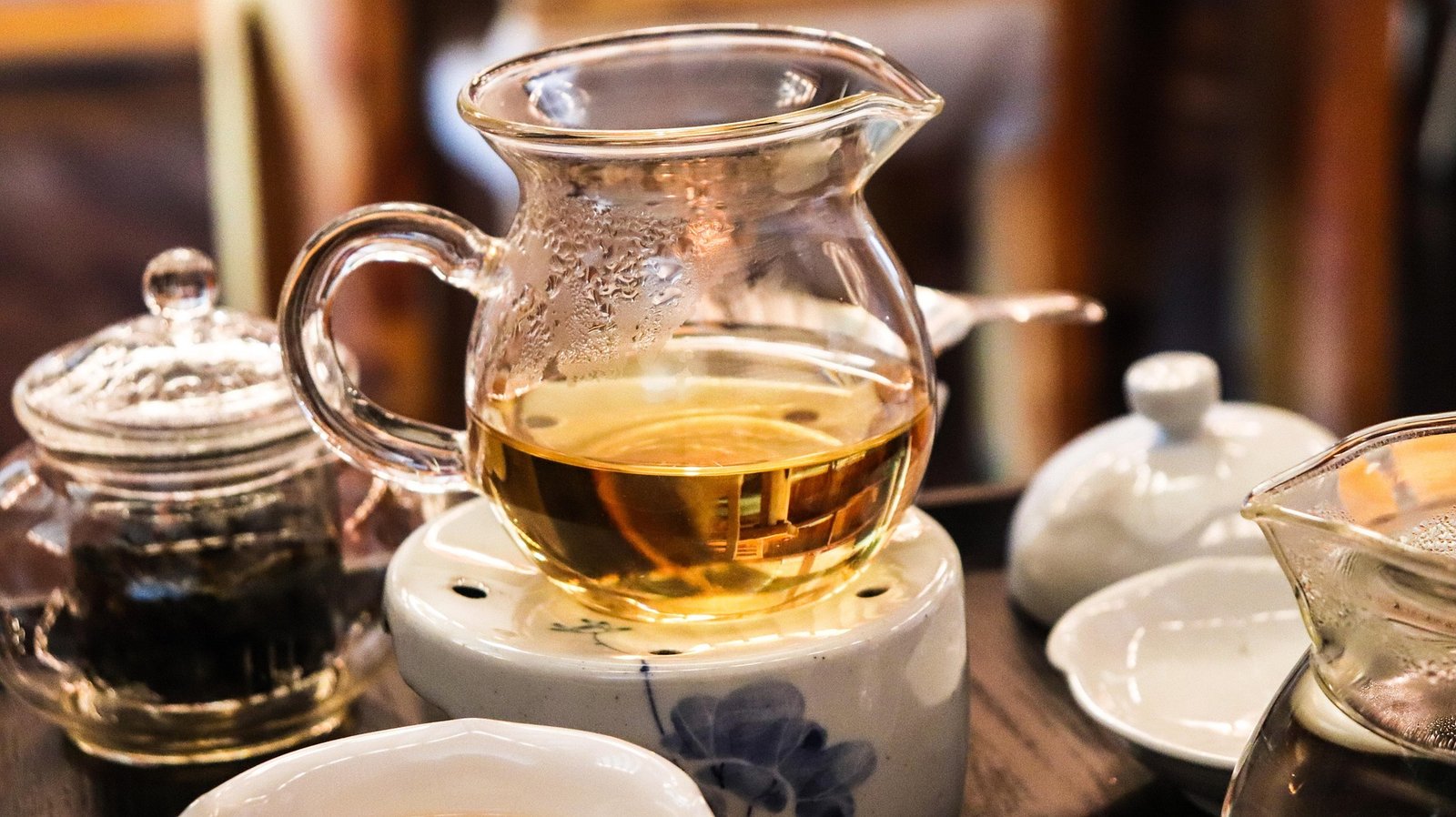
Green tea vs black tea is a common comparison for tea drinkers who want to understand how two teas from the same plant can taste and look so different. Both are made from the leaves of Camellia sinensis, but the way the leaves are processed after harvesting creates distinct characteristics.
Green tea is generally heated relatively early during processing to limit oxidation, while black tea undergoes much more extensive oxidation before drying. These differences influence the color, aroma, flavor, and chemical composition of the finished tea.
In this guide, we’ll compare green tea vs black tea in terms of processing, taste, caffeine, brewing temperature, steeping time, and everyday preparation so you can better understand the differences and decide which style you prefer.
Green Tea vs Black Tea: Quick Comparison
These are general starting points rather than strict rules. Caffeine content, flavor, water temperature, and ideal steeping time can vary depending on the specific tea, leaf quantity, processing method, and preparation style. Always check the producer’s brewing instructions when available.
What Is the Main Difference Between Green Tea and Black Tea?
Green tea and black tea come from the same plant, Camellia sinensis. The main difference is how the leaves are processed after harvesting, particularly how much oxidation takes place.
Green Tea Processing
For green tea, the leaves are heated relatively early after harvesting to limit enzymatic oxidation. Depending on the tea-making tradition, this may be done by steaming, as is common for many Japanese green teas, or by pan-firing, a method widely used for Chinese green teas.
Limiting oxidation helps preserve many of the characteristics associated with green tea, including its greenish leaf color and flavors that can range from grassy and vegetal to sweet, nutty, or umami-rich.
Black Tea Processing
Black tea undergoes much more extensive oxidation. After harvesting, the leaves are typically withered and then rolled or otherwise disrupted before being allowed to oxidize. During this stage, exposure to oxygen contributes to changes in the leaves’ color, aroma, flavor, and chemical composition.
The leaves become darker, and the finished tea can develop flavors ranging from malty and fruity to brisk, rich, or smoky, depending on the variety, origin, and processing method.
Does Oxidation Mean the Tea Is Fermented?
Not in the usual sense. The term oxidation is more accurate for the process that distinguishes most black tea from green tea. It involves enzymatic reactions in the tea leaves after their cells are disrupted and exposed to oxygen.
This is different from the microbial fermentation associated with teas such as some Pu-erh and other post-fermented teas.
Green Tea vs Black Tea: Taste and Aroma
One of the easiest ways to notice the difference between green tea and black tea is through taste and aroma. Although both come from the same plant, their different processing methods create very different flavor profiles.
What Does Green Tea Taste Like?
Green tea is generally lighter and fresher in character. Depending on the variety, origin, and processing method, its flavor may be:
- grassy or vegetal
- fresh and slightly
- sweet nutty or toasted
- floral savory or umami-rich
Japanese green teas such as Sencha often have fresh vegetal or umami notes, while Chinese varieties such as Longjing (Dragon Well) may taste softer, sweeter, or slightly nutty.
Green tea can become noticeably bitter or astringent when brewed with water that is too hot or when steeped for too long.
What Does Black Tea Taste Like?
Black tea generally has a stronger and fuller flavor. Depending on the variety and origin, you may notice flavors that are:
- malty
- fruity
- brisk
- sweet floral
- woody or smoky
For example, Assam is often associated with a rich, malty character, while Darjeeling can be lighter and more floral or fruity. Other black teas can range from smooth and sweet to robust and smoky.
Which Tastes Better: Green Tea or Black Tea?
Neither is inherently better. It depends entirely on personal preference.
If you enjoy lighter, fresher, vegetal, or umami flavors, you may prefer green tea. If you prefer a stronger, richer, malty, or more robust cup, black tea may be the better choice.
Trying several varieties is often the best way to discover which style you enjoy most, because flavor can differ substantially even within the same tea category.
Green Tea vs Black Tea: Which Has More Caffeine?
Both green tea and black tea naturally contain caffeine because both are made from the Camellia sinensis plant. However, it is too simplistic to say that black tea always contains more caffeine than green tea.
The amount of caffeine in a cup can vary depending on the specific tea, the amount of leaves used, leaf size, growing and processing conditions, water temperature, steeping time, and serving size.
Does Black Tea Usually Have More Caffeine?
Many prepared black teas can contain more caffeine per cup than many green teas, but there is considerable variation between individual products and brewing methods. A strongly brewed green tea may contain more caffeine than a lightly brewed black tea.
Matcha is another special case because the powdered tea leaves themselves are consumed rather than simply infused and removed.
For this reason, the product label is the best source when you need to know the caffeine content of a particular tea.
Does Steeping Time Affect Caffeine?
Brewing conditions can influence how much caffeine is extracted into the water. Longer steeping times and other preparation variables can change the amount in the finished cup.
However, choosing a tea based only on steeping time is not a reliable way to precisely control caffeine intake because caffeine levels vary substantially between teas.
What If You Want Less Caffeine?
If you are sensitive to caffeine or prefer to avoid it later in the day, consider choosing a tea specifically labeled decaffeinated or a naturally caffeine-free herbal infusion such as rooibos.
Remember that decaffeinated does not necessarily mean completely caffeine-free.
Green Tea vs Black Tea: Plant Compounds & What Research Says
Both green tea and black tea naturally contain a variety of plant compounds, particularly polyphenols. Because the teas are processed differently, however, the types and proportions of these compounds are not identical.
Plant Compounds in Green Tea
Green tea is particularly known for a group of polyphenols called catechins. One of the best-known catechins is EGCG (epigallocatechin gallate).
Because oxidation is limited during green tea processing, catechins remain an important part of its chemical profile. Green tea also naturally contains caffeine, amino acids such as L-theanine, and other plant compounds.
These components have been widely investigated in scientific research. However, studies involving isolated compounds, supplements, extracts, or concentrated preparations should not automatically be interpreted as evidence of specific health effects from drinking an ordinary cup of green tea.
Plant Compounds in Black Tea
During black tea production, more extensive oxidation changes some of the catechins found in the fresh tea leaves. This contributes to the formation of compounds including theaflavins and thearubigins, which are associated with the characteristic color and flavor of black tea.
Black tea also naturally contains caffeine and a variety of other plant compounds.Like green tea, black tea and its individual components have been studied extensively. Research findings can depend on the type of tea, preparation, amount consumed, study population, and whether researchers are examining ordinary brewed tea or concentrated compounds.
Is Green Tea Healthier Than Black Tea?
It is difficult to label one as simply “healthier” than the other.
Green tea and black tea have different polyphenol profiles because of their processing, but both can be enjoyed as beverages within a varied and balanced diet. Research on individual tea compounds should not be used to make broad claims that one type of tea prevents or treats disease better than the other.
For most tea drinkers, taste preference, caffeine tolerance, brewing style, and when they enjoy drinking tea are more practical considerations when choosing between them.
Green Tea vs Black Tea: Brewing Differences
Green tea and black tea generally require different brewing temperatures and steeping times. Green tea is usually prepared with cooler water and a shorter infusion, while black tea can typically handle hotter water and a longer steep.
How to Brew Green Tea
As a general starting point:
- Water temperature: 70–80°C / 158–176°F
- Steeping time: 1–3 minutes
- Tea amount: approximately 2–3 g per 250 ml of water
Water that is too hot or an excessively long steep can make some green teas taste bitter or overly astringent.
How to Brew Black Tea
As a general starting point:
- Water temperature: 90–100°C / 194–212°F
- Steeping time: 3–5 minutes
- Tea amount: approximately 2–3 g per 250 ml of water
Black tea generally tolerates hotter water well, although the ideal preparation still depends on the particular variety and your preferred strength.
Brewing Guidelines Are Starting Points
These temperatures and times are general guidelines rather than strict rules. Different varieties, leaf sizes, quantities, and preparation styles can require different brewing conditions.When available, follow the instructions provided with your tea and adjust the temperature, amount, and steeping time according to taste.
Want more detailed brewing instructions? Read our complete guide on How to Brew Tea Properly, including temperatures, steeping times, tea quantities, and common brewing mistakes.
Green Tea vs Black Tea: Which One Should You Choose?
Choosing between green tea and black tea mostly comes down to flavor, brewing preference, caffeine considerations, and when you like to drink tea. Neither tea is automatically the better choice for everyone.
Choose Green Tea If You Prefer:
- lighter, fresher flavors grassy,
- vegetal, nutty, or umami notes
- tea prepared with lower water temperatures
- varieties such as Sencha, Gyokuro, Matcha, or Longjing
- experimenting with delicate flavors and shorter steeping times
Green tea may be especially appealing if you enjoy a lighter cup and do not mind paying closer attention to water temperature and brewing time.
Choose Black Tea If You Prefer:
stronger and fuller flavors malty, fruity, brisk, or sometimes smoky notes tea that can generally be brewed with hotter water varieties such as Assam, Darjeeling, Ceylon, or Keemun a robust cup that can also work well with milk, depending on the tea and personal preferenceBlack tea may be the better match if you prefer a stronger flavor or a tea that is generally less sensitive to higher brewing temperatures.
What About Caffeine?
Do not choose solely on the assumption that green tea always has less caffeine than black tea. Caffeine levels can vary considerably between individual teas and preparation methods.
If caffeine intake is important to you, check the product information when available or choose a specifically decaffeinated tea or naturally caffeine-free herbal infusion.
Why Not Try Both?
You do not have to choose only one. Green tea and black tea offer very different flavor experiences despite coming from the same plant.
Trying several varieties from each category is one of the best ways to discover what you actually enjoy. You might prefer a fresh Japanese green tea in one situation and a rich Assam or aromatic Darjeeling in another.
Frequently Asked Questions About Green Tea vs Black Tea
1. Is green tea or black tea stronger?
Black tea often has a stronger, fuller flavor than green tea, but “stronger” can mean different things. Flavor intensity depends on the variety, amount of tea, water temperature, and steeping time. Green tea is generally lighter and more vegetal, while black tea is often more robust, malty, or brisk.
2. Does black tea have more caffeine than green tea?
Not necessarily. Both green tea and black tea naturally contain caffeine, and the amount in a prepared cup can vary considerably. The specific tea, quantity of leaves, serving size, water temperature, and steeping time can all influence caffeine content. If caffeine intake is important to you, check the product information when available.
3. Can you drink green tea and black tea on the same day?
Yes, many people enjoy different types of tea throughout the day. Because both green and black tea naturally contain caffeine, however, your total caffeine intake depends on how much tea you drink, the products you choose, and how they are prepared.
4. Is green tea less oxidized than black tea?
Yes. Green tea is heated relatively early during processing to limit enzymatic oxidation. Black tea undergoes much more extensive oxidation, contributing to its darker leaves and characteristic flavor, aroma, and chemical profile.
5. Which is better for beginners: green tea or black tea?
Either can be a good choice for beginners. If you prefer lighter, fresh, vegetal, or umami flavors, start with green tea. If you prefer stronger, malty, fruity, or robust flavors, black tea may suit you better. Trying a few varieties of each is the easiest way to discover your preference.
Final Thoughts: Green Tea vs Black Tea
The comparison between green tea vs black tea is ultimately less about deciding which one is “better” and more about understanding how processing creates two very different tea experiences from the same Camellia sinensis plant.
Green tea generally offers lighter, fresher, vegetal, or umami flavors and is commonly prepared with cooler water and shorter steeping times. Black tea tends to offer a fuller, darker, and more robust cup and generally tolerates hotter brewing temperatures.
Both naturally contain caffeine and a variety of plant compounds, although their chemical profiles differ because of processing. Rather than choosing one based on broad health claims, consider flavor, caffeine preferences, preparation, and the varieties you personally enjoy.
If you are new to tea, try several examples of both. A Japanese Sencha and a Chinese Longjing can taste remarkably different from one another, just as an Assam can offer a very different experience from a Darjeeling.
One Response