Learning how to brew tea properly can make a noticeable difference in flavor, aroma, and overall enjoyment. Water temperature, steeping time, tea quantity, and even the type of tea you choose can influence the final cup.
Green tea, black tea, white tea, oolong, Pu-erh, and herbal infusions do not all require exactly the same preparation. Delicate teas can become bitter when brewed too hot or too long, while other varieties may benefit from hotter water or longer steeping times.
In this guide, you’ll learn how to brew tea using practical temperature and steeping-time guidelines, how much loose-leaf tea to use, and how to avoid common brewing mistakes.
Tea Brewing Temperature & Steeping Time Guide
Different types of tea respond differently to water temperature and steeping time. Delicate teas are generally prepared with cooler water, while more oxidized or robust teas can usually handle higher temperatures. All true teas—green, black, white, oolong, and Pu-erh/dark teas—come from Camellia sinensis; differences in processing help create their different characteristics.
For additional general brewing guidance, see the Tea and Herbal Association of Canada’s brewing recommendations.
Chamomile is a popular herbal infusion; if you’re interested in its potential uses, see our guide to chamomile tea benefits.
A Note About Brewing Times
These temperatures and steeping times are starting points rather than strict rules. Whole-leaf teas, broken leaves, tea bags, tightly rolled oolongs, aged Pu-erh, and different herbal ingredients can all require different preparation.
Always check the instructions provided with your tea first. Once you know the basic recommendation, you can adjust the amount of tea, water temperature, and steeping time according to your taste.
How Much Tea Should You Use Per Cup?
The amount of tea you use can influence both flavor and strength. As a general starting point, many loose-leaf teas work well with about 2–3 grams of tea per 250 ml (8 oz) of water.
For larger or lighter leaves, such as some white teas or rolled oolongs, you may need slightly more volume to reach the same weight. Tea bags are already portioned, so in that case it is usually best to follow the package instructions.
If your tea tastes too weak, try using a little more tea rather than steeping it for a very long time. If it tastes too strong or bitter, reduce the amount, shorten the steeping time, or lower the water temperature depending on the tea type.
Loose-Leaf Tea vs Tea Bags
Loose-leaf tea gives the leaves more room to expand during brewing and often allows more control over strength and steeping time. Tea bags are convenient and easy to use, but the leaf size and quantity can vary considerably between products.
Neither method is automatically “better” for everyone. The best choice depends on convenience, flavor preference, and the type of tea you are preparing
How to Brew Green Tea Properly
Green tea can develop a bitter or overly astringent taste when brewed with water that is too hot or when the leaves are steeped for too long. Because green teas vary considerably in style and processing, the ideal preparation can differ from one tea to another.
As a general starting point, try water around 70–80°C (158–176°F) and steep the tea for approximately 1–3 minutes. Use about 2–3 grams of loose-leaf tea per 250 ml (8 oz) of water.Taste the tea after the first minute and adjust the brewing time according to your preference. If the flavor is too bitter or strong, try cooler water or a shorter steeping time. If it tastes too light, use slightly more tea or extend the steeping time.
Brewing Tip: Always check the producer’s instructions when available, especially for delicate Japanese green teas or specialty varieties, as recommended temperatures and steeping times can differ.
Can You Steep Green Tea More Than Once?
Many loose-leaf green teas can be steeped more than once. For a second infusion, you can use the same leaves and adjust the steeping time according to taste. Each infusion may produce a slightly different aroma and flavor.
How to Brew Black Tea Properly
Black tea is generally brewed with hotter water than green or white tea because its leaves are fully oxidized and tend to produce a stronger flavor. As a starting point, use water at around 90–100°C / 194–212°F.
Use approximately 2–3 grams of loose-leaf black tea per 250 ml of water and steep for about 3–5 minutes. A shorter steeping time usually produces a lighter cup, while a longer infusion creates a stronger and more robust flavor. Very long steeping times may also increase bitterness and astringency.
How to Brew Tea Step by Step: Black Tea
1. Heat fresh water to approximately 90–100°C / 194–212°F.
2. Add 2–3 g of black tea per 250 ml of water to your teapot, infuser, or cup.
3. Pour the hot water over the tea leaves.
4. Steep for approximately 3–5 minutes.
5. Remove or strain the tea leaves.
6. Taste the tea and adjust the amount of tea or steeping time the next time you brew.
Can You Steep Black Tea More Than Once?
Some loose-leaf black teas can be infused more than once, although the second infusion will usually taste lighter than the first. If you want to try another infusion, use the same leaves and adjust the steeping time according to taste. The results depend greatly on the type and quality of the tea.
How to Brew White Tea Properly
White tea is known for its delicate flavor and aroma, so it is generally best to start with water that is cooler than boiling. Water that is too hot or an excessively long steeping time can overpower some of the more subtle characteristics of the tea.
As a general starting point, use water at around 75–85°C / 167–185°F. Add approximately 2–3 grams of loose-leaf white tea per 250 ml of water and steep for about 3–5 minutes.Because many white teas have large, lightweight leaves, measuring by weight is often more reliable than using a teaspoon.
Varieties such as Silver Needle and White Peony can also respond differently to brewing, so use these numbers as a starting point and adjust them according to the specific tea and your taste.
Step-by-Step: Brewing White Tea
1. Heat fresh water to approximately 75–85°C / 167–185°F.
2. Add 2–3 g of white tea per 250 ml of water.
3. Pour the heated water over the leaves.
4. Steep for approximately 3–5 minutes.
5. Strain or remove the leaves.
6. Taste the tea and adjust the temperature, amount, or steeping time for your next cup.
Can You Steep White Tea More Than Once?
Many good-quality loose-leaf white teas can be infused several times. Reusing the same leaves may reveal different aromas and flavors with each infusion. Adjust the steeping time according to taste, as the ideal timing varies between teas.
Brewing Tip: If your white tea tastes too strong or astringent, try a slightly lower water temperature or shorter steeping time. If it tastes too light, use a little more tea rather than immediately increasing the water temperature.
How to Brew Oolong Tea Properly
Oolong tea covers a wide range of styles, from light and floral to dark and roasted. Because the degree of oxidation and processing varies considerably, brewing recommendations can also differ from one oolong to another.
As a general starting point, use water at around 80–95°C / 176–203°F. Add approximately 2–3 grams of loose-leaf oolong tea per 250 ml of water and steep for about 2–5 minutes.
Lighter, more delicate oolongs may taste better with water toward the lower end of the temperature range, while darker or more heavily roasted varieties can often be prepared with hotter water.
Step-by-Step: Brewing Oolong Tea
1. Heat fresh water to approximately 80–95°C / 176–203°F.
2. Add 2–3 g of oolong tea per 250 ml of water.
3. Pour the heated water over the leaves.
4. Steep for approximately 2–5 minutes.
5. Strain or remove the leaves.
6. Taste and adjust the temperature, amount of tea, or steeping time according to your preference.
Can You Steep Oolong Tea More Than Once?
Yes. Many loose-leaf oolong teas are particularly well suited to multiple infusions. Rolled leaves may gradually open during successive steepings, and the aroma and flavor can change from one infusion to the next.
For additional infusions, reuse the same leaves and adjust the steeping time according to taste. The number of enjoyable infusions depends on the particular tea, leaf quantity, and brewing method.
Brewing Tip: If you have specific preparation instructions from the tea producer, use those as your starting point. Oolong is especially diverse, so one temperature and steeping time will not be ideal for every variety.
How to Brew Pu-erh Tea Properly
Pu-erh tea is traditionally produced in Yunnan, China, and is known for its distinctive fermentation and aging processes. Brewing can vary depending on whether you are preparing Raw (Sheng) Pu-erh or Ripe (Shou) Pu-erh, as well as whether the tea is loose or compressed.As a general starting point, use water at around 90–100°C / 194–212°F. Add approximately 2–3 grams of Pu-erh tea per 250 ml of water and steep for about 2–5 minutes when using a simple Western-style brewing method.
Step-by-Step: Brewing Pu-erh Tea
1. Heat fresh water to approximately 90–100°C / 194–212°F.
2. Add 2–3 g of Pu-erh tea per 250 ml of water.
3. If using compressed tea, gently separate an appropriate amount without crushing the leaves unnecessarily.
4. Pour the hot water over the tea.
5. Steep for approximately 2–5 minutes.
6. Strain the leaves and adjust the next infusion according to your taste.
Should You Rinse Pu-erh Tea First?
Some tea drinkers briefly rinse Pu-erh leaves with hot water before the first full infusion, particularly when preparing compressed or aged teas. This can help loosen compressed leaves and is also part of some traditional brewing practices.A rinse is not a universal requirement, however. Preparation methods vary considerably, so the instructions provided by the tea producer are a useful starting point.
Can You Steep Pu-erh Tea More Than Once?
Yes. Many loose-leaf and compressed Pu-erh teas can be infused multiple times. Successive infusions may reveal different aromas and flavors, particularly when using a higher leaf-to-water ratio and shorter steeping times.
Brewing Tip: Pu-erh is especially well suited to experimentation. The type, age, storage, compression, and brewing method can all influence the final cup, so treat the temperatures and times in this guide as starting points rather than strict rules.
How to Brew Herbal Tea Properly
Herbal tea is technically an herbal infusion, or tisane, because it is not made from the Camellia sinensis plant. Herbal infusions can be prepared from many different plant parts, including leaves, flowers, roots, seeds, fruits, and bark. For this reason, there is no single brewing method that is ideal for every herbal tea.
As a general starting point, many herbal teas can be prepared with water at around 95–100°C / 203–212°F and steeped for approximately 5–10 minutes. However, the ideal preparation depends strongly on the ingredients, so always check the instructions provided with the product.
Step-by-Step: Brewing Herbal Tea
1. Heat fresh water to approximately 95–100°C / 203–212°F.
2. Add the recommended amount of herbs to a cup, teapot, or infuser.
3. Pour the hot water over the herbs.
4. Cover the cup or teapot while steeping, particularly when using aromatic herbs.
5. Steep according to the product instructions; 5–10 minutes is a common starting range for many herbal infusions.
6. Strain the herbs and adjust the amount or steeping time according to taste.
Do All Herbal Teas Need the Same Steeping Time?
No. Delicate flowers and leaves can behave differently from dense roots, bark, seeds, or dried fruit. Some ingredients may require longer steeping or a different preparation method. For example, certain roots and bark are traditionally prepared by simmering rather than simply steeping them in hot water.Because herbal blends can contain several different ingredients, the manufacturer’s preparation instructions should take priority over general brewing guidelines.
Can You Steep Herbal Tea More Than Once?
Some herbal ingredients can be infused a second time, but the second infusion is usually lighter in flavor. Whether this works well depends on the particular herb or blend. For consistent preparation, follow the instructions provided with your tea.
Brewing Tip: Do not assume that a longer steeping time or a larger quantity is always better. This is particularly important with herbal products, where preparation recommendations can vary substantially between plants.
Common Tea Brewing Mistakes
Even good-quality tea can taste disappointing when a few basic brewing details are overlooked. Fortunately, most common brewing mistakes are easy to correct.
1. Using Water That Is Too Hot
Boiling water is not ideal for every type of tea. Delicate green and white teas can become overly bitter or astringent when the water is too hot.
Instead of using the same temperature for every tea, adjust the water temperature to the type of tea you are preparing.
2. Steeping Tea for Too Long
A longer steeping time does not necessarily produce a better cup of tea. Over-steeping can make some teas taste excessively strong, bitter, or astringent.
Start with the recommended brewing time and adjust gradually according to your taste.
3. Using Too Much or Too Little Tea
Too little tea can produce a weak cup, while too much can make the flavor overly intense.A useful starting point for many loose-leaf teas is approximately 2–3 grams per 250 ml of water, although the ideal amount varies depending on the tea.
4. Using the Same Method for Every Tea
Green tea, black tea, white tea, oolong, Pu-erh, and herbal infusions have different characteristics. Using exactly the same temperature and steeping time for all of them can produce disappointing results.Use the brewing table earlier in this guide as a starting point and adjust from there.
5. Ignoring the Tea Producer’s Instructions
General brewing guides are useful, but a producer may provide more specific recommendations for a particular tea.When instructions are available on the packaging, use them as your starting point and then adjust according to your personal preference.
6. Leaving the Leaves in the Water
If tea leaves remain in the water after the desired steeping time, the tea continues to infuse and may become stronger or more bitter.Using a removable infuser, tea basket, or strainer makes it easier to control the brewing time.
7. Forgetting That Personal Taste Matters
There is no single perfect cup of tea for everyone. Brewing recommendations provide a useful starting point, but you can adjust the amount of tea, temperature, and steeping time until you find the flavor you enjoy most.
Does Water Quality Affect the Taste of Tea?
Yes. Because water makes up almost the entire cup, its taste and mineral content can noticeably influence the flavor and aroma of brewed tea.
For everyday brewing, start with fresh, clean-tasting water. Water with a strong chlorine smell or other noticeable flavors can interfere with the more delicate characteristics of the tea.
Tap Water vs Filtered Water
Tap water can work perfectly well when it tastes good on its own. If your tap water has a noticeable chlorine taste or odor, filtered water may produce a cleaner-tasting cup.
Very hard water can also influence the way tea tastes and looks because of its higher mineral content. On the other hand, extremely low-mineral or distilled water may sometimes produce a flatter-tasting infusion.
There is no need to search for a “perfect” bottled water. For most people, fresh drinking water that tastes pleasant on its own is a good starting point.
Should You Reboil Water for Tea?
For the best and most consistent results, use fresh water and heat only the amount you need. Repeatedly boiling the same water is generally unnecessary.
More important than following a strict rule about reboiling is using clean, fresh-tasting water at the appropriate temperature for the tea you are preparing.
Do You Need a Temperature-Controlled Kettle?
No. A temperature-controlled kettle is convenient, especially if you regularly prepare green, white, or oolong tea, but it is not essential.
A kitchen thermometer can help you measure water temperature accurately. You can also simply follow the instructions supplied with your tea and adjust your brewing method according to taste.
Frequently Asked Questions About Brewing Tea
1. What is the best water temperature for brewing tea?
There is no single ideal temperature for every tea. Green and white teas are generally brewed with cooler water, while black tea, Pu-erh, and many herbal infusions can usually be prepared with hotter water. Use the brewing table in this guide as a starting point and follow the producer’s instructions when available.
2. How long should tea steep?
Steeping time depends on the type of tea. Green tea may need only 1–3 minutes, while many black teas are brewed for around 3–5 minutes and herbal infusions often require 5–10 minutes. These are general guidelines, so adjust the time according to the specific tea and your preferred strength.
3. Why does my tea taste bitter?
Tea can become bitter or overly astringent when the water is too hot, the leaves are steeped too long, or too much tea is used. Try lowering the water temperature, shortening the steeping time, or using slightly less tea.
4. Can you reuse tea leaves?
Yes, many good-quality loose-leaf teas can be infused more than once. Oolong, white tea, Pu-erh, and some green and black teas can work particularly well for multiple infusions. The flavor may change with each steeping, so adjust the brewing time according to taste.
5. Is loose-leaf tea better than tea bags?
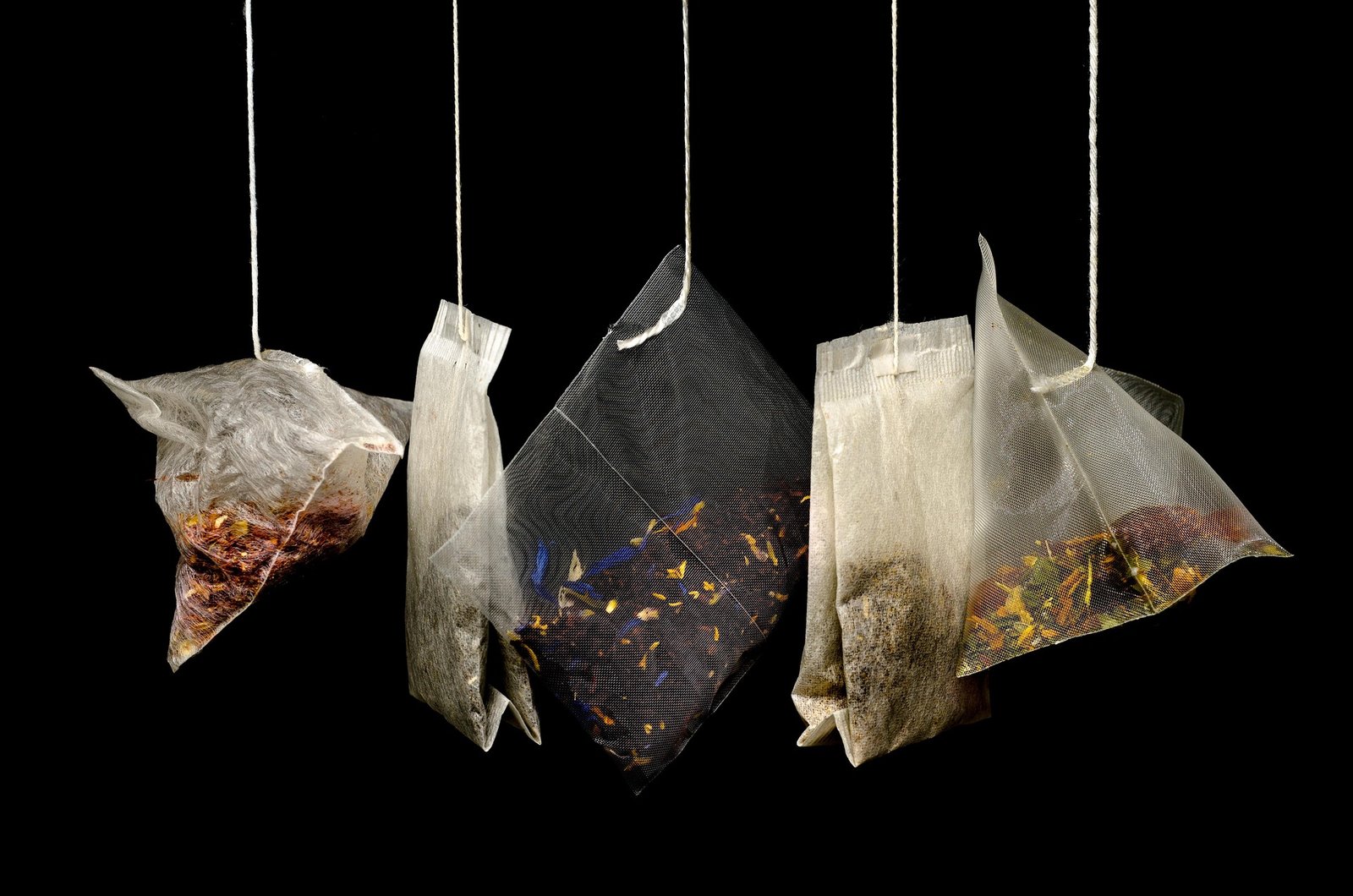
Not necessarily. Loose-leaf tea often provides more control over the amount of tea and gives larger leaves room to expand, while tea bags are convenient and easy to prepare. Quality varies in both categories, so the better choice depends on the tea itself and your personal preference.
Final Thoughts: How to Brew Better Tea
Learning how to brew tea is mostly about finding the right balance between water temperature, steeping time, tea quantity, and personal taste. Different teas require different preparation methods, so there is no single formula that works perfectly for every cup.
Use the temperature and steeping-time guidelines in this article as a starting point, check the instructions provided with your tea, and adjust the preparation until you find the flavor you enjoy most.
Whether you prefer green tea, black tea, white tea, oolong, Pu-erh, or herbal infusions, a few small changes in your brewing method can make a noticeable difference in aroma and flavor.
Want to learn more about the different types of tea? Explore our complete Tea Guide.
7 Responses