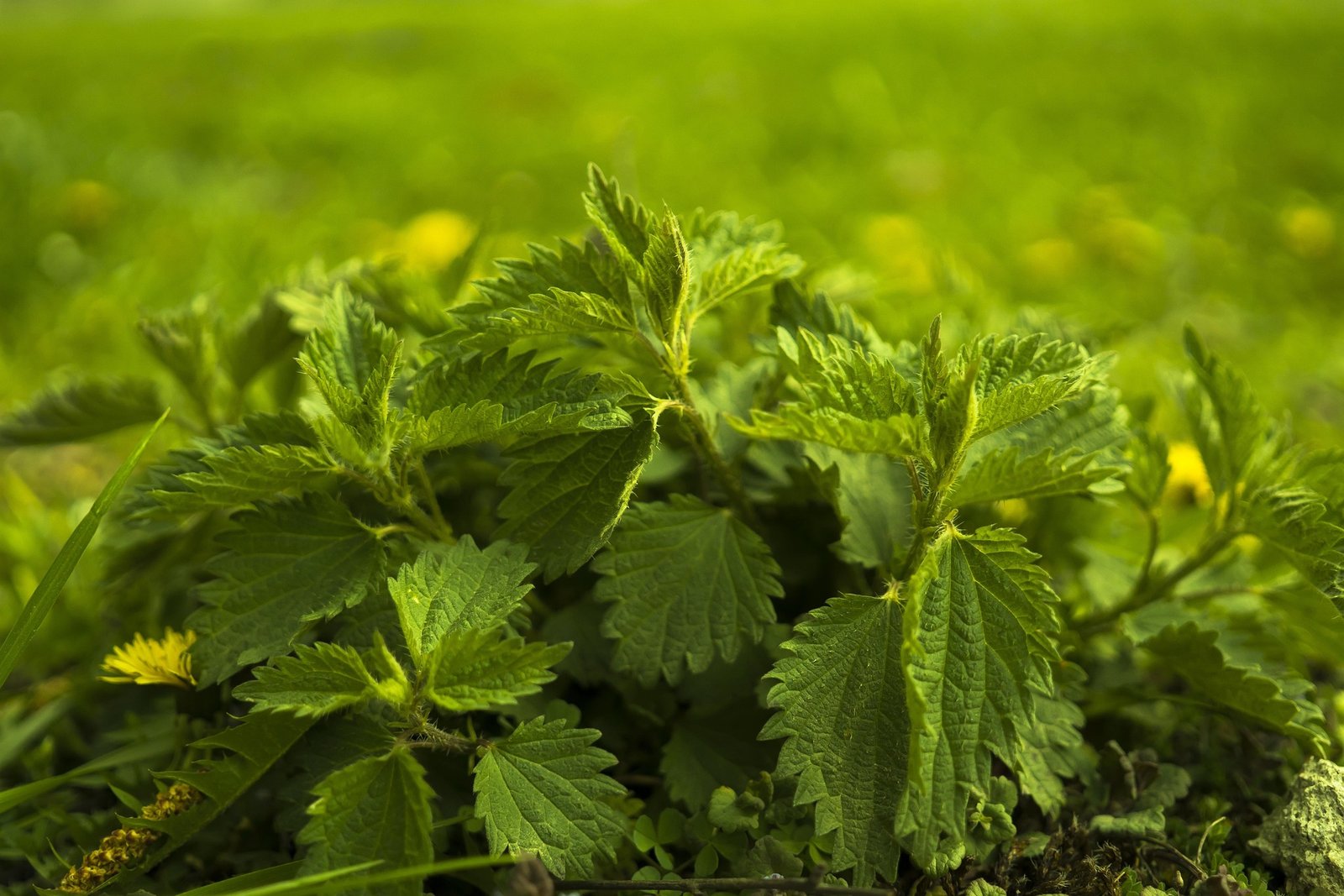
Nettle tea benefits have attracted interest among people looking for naturally caffeine-free herbal drinks. Made from the leaves or aerial parts of nettle plants such as Urtica dioica, nettle tea has a mild, earthy herbal flavor and a long history of traditional use. Nettle also contains a variety of naturally occurring plant compounds and nutrients. However, many health claims associated with nettle come from traditional use, laboratory research, or studies involving preparations other than ordinary nettle tea. In this guide, we’ll look carefully at 10 potential nettle tea benefits, what current evidence actually supports, how to prepare nettle tea, and important safety considerations to keep in mind.
1. Naturally Caffeine-Free
One of the most practical nettle tea benefits is that pure nettle tea is naturally caffeine-free. Unlike green tea, black tea, or oolong tea, nettle tea is an herbal infusion rather than a beverage made from the Camellia sinensis tea plant. This makes it a convenient option for people who want to enjoy a warm herbal drink without adding caffeine to their diet.
Being caffeine-free does not itself provide a specific medical benefit, but it makes nettle tea suitable for different times of the day, including the evening.
2. Contains Naturally Occurring Plant Compounds
Nettle leaves contain a variety of naturally occurring compounds, including flavonoids, phenolic acids, carotenoids, and other polyphenols. Reviews of Urtica dioica have identified numerous phenolic and polyphenolic compounds in the leaves and other parts of the plant. These compounds are often studied for their antioxidant and other biological activities. However, laboratory findings about individual compounds or concentrated nettle extracts should not be interpreted as proof that drinking nettle tea prevents disease or produces the same effects in the human body.
3. Traditionally Used for Minor Urinary Complaints
Nettle herb and leaf have a history of traditional use in herbal preparations related to the urinary tract. The European Medicines Agency recognizes nettle herb preparations, including herbal tea, for traditional use in minor urinary complaints, alongside adequate fluid intake to increase urine output.
Importantly, the EMA classifies this as traditional use based on long-standing experience, rather than a benefit established by strong clinical trials.For that reason, it would be misleading to describe nettle tea as a “kidney cleanse,” “detox tea,” or treatment for urinary tract infections. Persistent urinary symptoms should be assessed by a healthcare professional.
4. Traditionally Used for Minor Joint Discomfort
Nettle herb also has a history of traditional use for minor articular (joint) pain. The EMA includes this among the traditional indications for preparations made from Urtica dioica and Urtica urens.
Again, this recognition is based on long-standing use and should not be interpreted as proof that an ordinary cup of nettle tea treats arthritis or other joint diseases.
Some research has investigated nettle and its constituents in relation to inflammatory processes, but different studies use different plant parts and preparations. We therefore should not assume that results obtained with concentrated nettle extracts apply directly to brewed nettle tea.
5. Provides Naturally Occurring Antioxidant Compounds
Nettle contains several plant compounds that have demonstrated antioxidant activity in laboratory research, including flavonoids and phenolic compounds. These substances can interact with oxidative processes under experimental conditions. However, laboratory antioxidant activity does not establish that drinking nettle tea prevents disease or produces a specific health outcome in humans.
For this reason, it is more accurate to say that nettle tea contains antioxidant plant compounds rather than claiming that the tea itself provides proven protection against particular diseases.
6. May Be an Alternative to Caffeinated Drinks
Another practical advantage of nettle tea is that it provides a warm herbal drink without the caffeine naturally present in green, black, white, and oolong tea. This can make nettle tea useful for people who simply want more variety while reducing their caffeine intake.
This benefit does not depend on a medical claim: replacing a caffeinated beverage with pure nettle tea directly reduces the amount of caffeine consumed at that particular time. Nettle tea can therefore be enjoyed during the afternoon or evening when caffeine is not desired.
One important distinction we'll maintain throughout the article: nettle herb/leaf and nettle root are not interchangeable. The EMA maintains separate monographs for nettle herb, nettle leaf, and nettle root, so we won't take research or traditional uses for the root and present them as benefits of ordinary leaf/herb tea.
7. Contains Small Amounts of Naturally Occurring Minerals
Nettle leaves naturally contain a range of minerals and trace elements. Studies analyzing nettle and other herbal-tea materials have identified minerals such as iron, zinc, copper, and manganese. However, the amount that actually ends up in a prepared cup of nettle tea depends on factors such as the plant material, growing conditions, processing, quantity used, and brewing method.
For this reason, nettle tea should not be described as a reliable treatment for mineral deficiencies or as a substitute for an iron supplement. It is more accurate simply to say that nettle is a plant that naturally contains various minerals and trace elements.
8. Can Contribute to Daily Fluid Intake
Like other unsweetened herbal infusions, nettle tea consists primarily of water and can contribute to normal daily fluid intake. Because pure nettle tea is naturally caffeine-free, it can provide some variety for people who want an alternative to water or caffeinated beverages.
This is a practical benefit rather than a medical claim. Although nettle herb has a history of traditional use in preparations intended to increase urine output for certain minor urinary complaints, that should not be confused with the idea that ordinary nettle tea “flushes toxins” or “detoxes” the body. The EMA specifically classifies that medicinal application as traditional use based on long-standing experience. Setze jetzt 7 und 8 ein. Danach schreib „weiter“, dann machen wir 9 und 10 und haben unsere 10 Hauptpunkte komplett.
9. Easy to Enjoy Hot or Cold
Another practical advantage of nettle tea is its versatility. It has a mild, earthy and slightly grassy flavor and can be enjoyed as a traditional hot herbal infusion or allowed to cool and served over ice. Lemon or a small amount of honey can also be added according to personal preference.Because pure nettle tea is naturally caffeine-free, it can fit into different times of the day without contributing caffeine. This makes versatility one of the simpler nettle tea benefits that does not depend on making a medical or therapeutic claim.
10. Offers Variety in a Herbal Tea Routine
Nettle tea can provide another option for people who enjoy rotating different caffeine-free herbal infusions rather than drinking the same beverage every day. Its flavor differs considerably from sweeter or more aromatic herbal teas such as chamomile, peppermint, rooibos, or hibiscus.
Nettle also has documented traditional herbal uses, but these should be kept separate from claims about everyday wellness. The European Medicines Agency classifies the relevant uses of nettle herb as traditional, meaning they are supported by long-standing use rather than sufficient clinical evidence to establish a well-proven therapeutic effect.
How to Make Nettle Tea
When considering nettle tea benefits, there is no scientifically established recommendation that everyone should drink nettle tea every day.You can use dried nettle leaves, a commercial nettle tea bag, or properly prepared fresh leaves. For a medicinal leaf tea, guidance summarized by the German pharmacy publication Apotheken Umschau describes 2–4 g of dried nettle leaves in 250 ml of freshly boiled water, steeped covered for 5–10 minutes. The exact preparation instructions on a commercial product should always take priority.
Step 1: Measure the Nettle Leaves
For one cup, place approximately 2–4 g of dried nettle leaves in a tea infuser or teapot. If you are using a commercial nettle tea bag, follow the quantity and preparation instructions provided on the package rather than trying to reproduce a medicinal dose yourself.
Step 2: Add Freshly Boiled Water
Pour approximately 250 ml (8.5 fl oz) of freshly boiled water over the dried nettle leaves. Make sure the leaves are thoroughly covered so they can infuse evenly.
One thing we'll continue to distinguish carefully: these instructions concern nettle leaf tea. Nettle root is a separate herbal preparation with its own EMA monograph and should not be treated as interchangeable with nettle leaf.
Step 3: Let the Nettle Tea Steep
Cover the cup or teapot and allow the nettle leaves to steep for about 5 to 10 minutes. The strength and flavor will vary depending on the amount of plant material used and the steeping time. Nettle tea typically develops a mild, earthy and grassy flavor.
Step 4: Strain the Leaves
After steeping, remove the tea infuser or pour the tea through a fine-mesh strainer to remove the leaves. Allow the tea to cool slightly before drinking.
If you are using a commercial nettle tea product, follow the preparation instructions provided on the package, since the amount of nettle and recommended preparation can differ between products.
Step 5: Add Optional Flavor
Nettle tea can be enjoyed plain, but its earthy flavor may not appeal to everyone. If desired, add a small amount of honey or lemon after brewing. You can also combine nettle with another culinary herb for flavor, provided the ingredients are appropriate for you. Keep additions simple if you want to experience the natural flavor of the nettle itself.
The EMA recognizes comminuted nettle herb as a preparation that can be used as an herbal tea, while maintaining separate monographs for nettle herb, nettle leaf, and nettle root. We’ll continue keeping those preparations separate throughout the article.
Step 6: Enjoy Your Nettle Tea
Once the leaves have been strained, allow the tea to cool to a comfortable drinking temperature. Nettle tea has a mild, earthy and slightly grassy flavor and can be enjoyed plain or with a small amount of lemon or honey.
Because pure nettle tea is naturally caffeine-free, it can be enjoyed at different times of the day. There is no need to associate an ordinary cup of nettle tea with a specific health outcome; it can simply be enjoyed as part of a varied herbal tea routine.
How Much Nettle Tea Should You Drink?
There is no scientifically established ideal amount of nettle tea that everyone should drink each day. The European Medicines Agency provides specific quantities for nettle herb tea when it is used as a traditional herbal medicinal product, but these amounts vary depending on the intended traditional use. For example, the current EMA monograph describes preparations ranging from 1.5 g in 150 ml of boiling water to larger amounts for another traditional indication. These medicinal-use quantities should not be interpreted as a general daily recommendation for healthy people.
For ordinary enjoyment, follow the preparation instructions on the nettle tea product you purchase rather than trying to reproduce a medicinal dosage. Drinking larger amounts should also not be assumed to provide greater benefits.
Can You Drink Nettle Tea Every Day?
There is no scientifically established recommendation that everyone should drink nettle tea every day. Nettle has a long history of use as an herbal preparation, but this does not mean that daily consumption provides additional health benefits or that larger amounts are better.
The European Medicines Agency provides specific durations of use for nettle herb when it is used as a traditional herbal medicinal product, depending on the particular indication. These medicinal-use instructions should not be interpreted as general guidance for everyday tea drinking.
For ordinary enjoyment, it is sensible to follow the instructions provided with the tea product. People with medical conditions or those who intend to consume nettle preparations regularly for a particular health purpose should discuss this with a healthcare professional.
What Is the Best Time to Drink Nettle Tea?
There is no scientifically established best time of day to drink nettle tea. Because pure nettle tea is naturally caffeine-free, it can be enjoyed at different times according to personal preference.
Some traditional medicinal uses of nettle herb involve increasing urine output, so people using a nettle preparation for that specific purpose may find daytime consumption more practical. This should not be interpreted as evidence that nettle tea “cleanses” or “detoxifies” the body. The EMA classifies nettle herb separately from nettle root and provides indication-specific guidance for medicinal preparations.
Can You Drink Nettle Tea Before Bed?
Pure nettle tea is naturally caffeine-free, so drinking it in the evening does not add the caffeine found in traditional teas such as green or black tea. However, there is no strong evidence that nettle tea improves sleep or acts as a sleep aid.
There is also a practical consideration. Nettle herb has a history of traditional medicinal use in preparations intended to increase urine output for minor urinary complaints. Therefore, some people may prefer drinking it earlier in the day rather than shortly before bed if they find that it increases their need to urinate. The EMA describes this as a traditional medicinal use, not as a general effect that every person drinking nettle tea will experience.
Nettle Tea vs. Green Tea
Nettle tea and green tea are quite different beverages. Nettle tea is an herbal infusion made from nettle, while green tea comes from the Camellia sinensis plant. One of the clearest practical differences is caffeine: pure nettle tea is naturally caffeine-free, whereas green tea naturally contains caffeine.
Their plant compounds also differ, and green tea has a much larger body of human research behind it. This does not mean that one tea is universally “healthier” than the other. Nettle may suit someone looking for a caffeine-free herbal drink, while green tea may appeal to someone who enjoys traditional tea and does not mind caffeine.
Nettle Tea vs. Dandelion Tea
Nettle tea and dandelion tea are both caffeine-free herbal infusions, but they come from different plants and should not be treated as interchangeable. Nettle tea is commonly prepared from Urtica dioica or Urtica urens, while dandelion preparations come from Taraxacum officinale. Dandelion products may also use different plant parts, including the leaf, root, or root with herb, which can have different traditional uses. The EMA maintains separate documentation for these preparations.
Both plants have histories of traditional herbal use involving the urinary tract, but this does not mean that either tea has been proven to “detox” the body, cleanse the kidneys, or treat urinary disease. For everyday drinking, the choice can simply come down to flavor and personal preference rather than expecting a particular medical effect.
Nettle Tea vs. Peppermint Tea
Nettle and peppermint are both naturally caffeine-free herbal infusions, but their flavors are very different. Nettle has a mild, earthy and grassy character, while peppermint has a much stronger mint flavor and cooling sensation.
Their traditional uses also differ, so one should not be considered a direct substitute for the other for a particular health condition. Nettle herb has documented traditional medicinal uses in areas including minor urinary complaints and minor joint pain, but the EMA classifies these as traditional uses rather than well-established clinical effects.
For ordinary tea drinking, choosing between nettle and peppermint can simply be a matter of taste. Neither needs to be presented as “healthier” than the other.
Frequently Asked Questions About Nettle Tea Benefits
Many claims about nettle tea benefits go considerably further than the available evidence. Nettle has a long history of traditional herbal use, and researchers have investigated various nettle preparations and plant compounds. However, results involving nettle extracts, nettle root, laboratory experiments, or animal studies should not automatically be presented as benefits of drinking ordinary nettle leaf tea. The European Medicines Agency also evaluates nettle herb, nettle leaf, and nettle root separately, which is an important distinction when interpreting health claims.
Does Nettle Tea Detox Your Body?
There is no good evidence that nettle tea “detoxes” or cleanses the body in the way this term is commonly used online. The body already relies primarily on organs such as the liver and kidneys to process and eliminate waste products.
Nettle herb does have a documented history of traditional medicinal use in preparations intended to increase urine output for certain minor urinary complaints. However, this should not be translated into claims that nettle tea removes “toxins,” cleanses the kidneys, or detoxifies the body. The EMA classifies nettle herb within a formal herbal-medicine framework and distinguishes traditional use from stronger evidence of clinical efficacy.
Can Nettle Tea Help With Weight Loss?
There is not enough reliable human evidence to conclude that drinking nettle tea causes weight loss. Although nettle and its constituents have been investigated in laboratory and animal research involving metabolism, those findings do not establish that an ordinary cup of nettle tea helps people lose body fat.
Nettle tea can be consumed without added sugar and is naturally caffeine-free, so it can simply serve as an alternative to calorie-containing beverages. That is different from claiming that nettle itself burns fat or produces weight loss.
Can Nettle Tea Affect Blood Pressure or Blood Sugar?
Nettle has been investigated for possible effects on blood pressure and blood sugar, but the evidence is not strong enough to conclude that ordinary nettle tea reliably lowers either one. Much of the research involves laboratory studies, animals, extracts, or preparations that are not equivalent to a cup of nettle tea. In fact, an EMA review specifically cautioned against extrapolating limited animal findings on glucose and blood pressure to oral nettle use in humans.
For this reason, nettle tea should not be used as a substitute for medication or medical care for high blood pressure or diabetes. People taking medication for either condition should speak with their healthcare professional if they intend to use nettle preparations regularly for a health-related purpose.
Is Nettle Tea Safe? Side Effects, Pregnancy and Medications
Nettle tea is generally used as an herbal beverage, but that does not mean it is suitable for everyone. The European Medicines Agency notes that nettle herb preparations may cause mild gastrointestinal complaints or allergic reactions in some people.
Safety during pregnancy and breastfeeding has not been established, and the EMA therefore does not recommend medicinal nettle herb preparations during these periods because sufficient data are lacking. The current EMA monograph reports no specific medicinal interactions, but people who take regular medication or have a medical condition should still seek professional advice before using nettle preparations for a health-related purpose.
Nettle preparations may also be inappropriate when a person has been medically advised to restrict fluid intake, such as with certain serious heart or kidney conditions.
What Does Nettle Tea Taste Like?
Nettle tea has a mild, earthy and slightly grassy flavor. Some people compare its character to other leafy green herbs. It can be enjoyed plain, while lemon or a small amount of honey can soften the earthy taste if preferred.
Fresh vs. Dried Nettle for Tea
Both fresh and dried nettle can be used in herbal preparations, but dried nettle is the simpler option for homemade tea because commercial products provide clearer preparation instructions and avoid handling fresh stinging leaves.
The EMA's herbal-tea guidance includes dried, cut or comminuted nettle material for preparing infusions. Fresh nettle preparations also exist, but they should not automatically be treated as equivalent in concentration or dosage.
Nettle Leaf vs. Nettle Root
Nettle leaf and nettle root come from the same plant, but they are not interchangeable herbal preparations. The European Medicines Agency evaluates nettle herb/leaf and nettle root separately and lists different traditional medicinal uses for them.This distinction is especially important when reading health claims online: research involving nettle root should not automatically be presented as evidence for drinking nettle leaf tea.
Final Thoughts on Nettle Tea Benefits
Nettle tea is a naturally caffeine-free herbal infusion with a mild, earthy flavor and a long history of traditional use. Some of the most practical nettle tea benefits are straightforward: it provides a caffeine-free beverage option, contains naturally occurring plant compounds, and can add variety to a herbal tea routine.
Nettle herb also has recognized traditional medicinal uses in Europe, including for certain minor urinary complaints and minor joint pain. However, the European Medicines Agency makes clear that these indications are based on long-standing traditional use rather than sufficient clinical evidence for a well-established therapeutic effect.
It is therefore best to enjoy nettle tea as an herbal beverage rather than expecting it to cure, prevent, or treat a medical condition. Claims about “detoxing,” rapid weight loss, or treating diseases go beyond what the available evidence supports. It is also important not to confuse nettle leaf or herb tea with nettle root preparations, which the EMA evaluates separately.
One Response